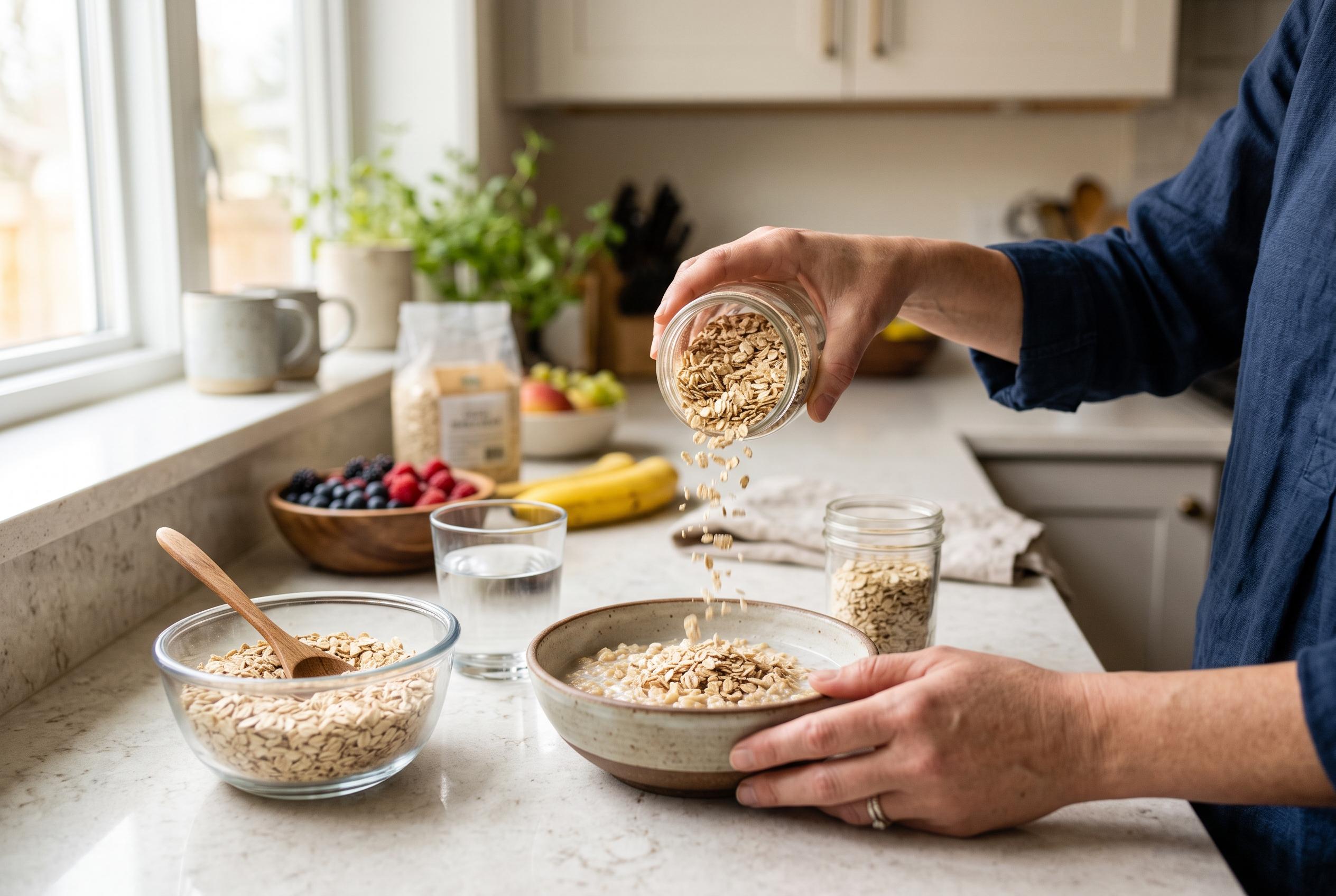

Despite online backlash, emerging scientific evidence reaffirms oats as a beneficial, nutrient-rich food with positive effects on cholesterol, blood sugar, and gut health, supported by recent clinical trials.
Oats, a breakfast staple long treated as a symbol of plain common sense, have become the target of a noisy online backlash that paints porridge as unhealthy or even dangerous. In response, the plant-based YouTuber Mic the Vegan has argued that the evidence points in the opposite direction, drawing on randomised trials, reviews and meta-analyses to make the case that oatmeal remains a useful, nutrient-rich food rather than a dietary villain.
The strongest evidence still centres on beta-glucan, the soluble fibre in oats that has been linked to lower LDL, or “bad”, cholesterol. Healthline and WebMD both note that oats can support heart health, blood sugar control and weight management, while a scientific review on ScienceDirect concluded that beta-glucan is a key reason oats appear to reduce cardiovascular risk and improve glucose handling. Mic the Vegan says the research he examined found modest LDL reductions in some trials, with broader data showing that people who eat more whole grains tend to have lower heart disease risk overall.
Claims that oatmeal sends blood sugar soaring are also hard to square with the research, particularly in people with type 2 diabetes. WebMD and Healthline both describe oats as helpful for glucose control, and Mic cites trials and a meta-analysis suggesting regular oat intake can improve short-term after-meal blood sugar and longer-term measures such as haemoglobin A1C. He also draws a distinction between plain rolled or steel-cut oats and highly sweetened instant products, which are a very different food.
The online anti-oat campaign has also leaned on warnings about phytates, lectins and other so-called anti-nutrients. But Mic argues those fears miss important context, and the broader literature is more reassuring. A review published through PubMed found positive effects across several outcomes, including body weight and gut health, while Healthline and WebMD both point to oats’ fibre content and antioxidant profile as part of their appeal. Mic says research has even linked oats to increases in beneficial gut bacteria and improvements in gut barrier function.
The latest addition to that evidence base came this year, when the University of Bonn reported a clinical trial published in Nature Communications showing that a mostly oatmeal diet for two days cut harmful LDL cholesterol by about 10%, with the benefits persisting for weeks. That study also found modest weight loss and lower blood pressure. Taken together with earlier reviews, the finding reinforces the basic point: for most people, oats are far more likely to be a practical healthy staple than a threat to avoid.
Disclaimer: This content is for informational purposes only and is not intended to be a substitute for professional medical judgment, advice, diagnosis, or treatment.