

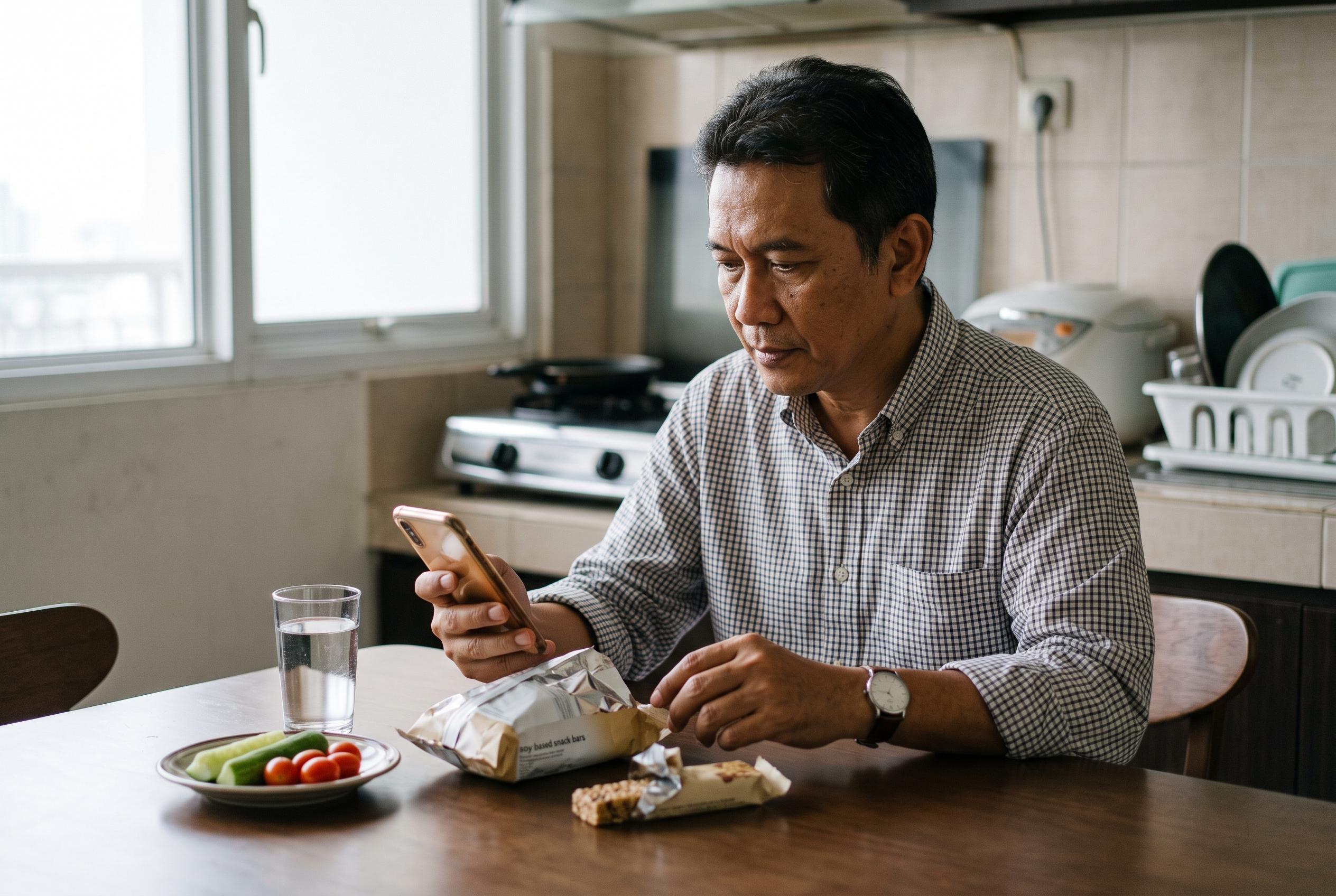

While soy-based bars like SOYJOY are marketed as healthier snack options for diabetics, experts stress moderation, label scrutiny, and integrating snacks into broader disease management strategies amid ongoing health education efforts.
Advice circulating in Indonesian health coverage suggests people with diabetes do not need to give up snacks altogether, but the more consistent message across company material, consumer guides and health sites is narrower than that: a snack may fit when it is portioned, comparatively low in sugar, and built around fibre and protein rather than quickly digested carbohydrates. Several of the sources reviewed also present soy-based bars as convenient because they come in measured portions, though independent guides stop well short of treating any single brand as a licence to snack without limits. (aio.co.id)
That framing has also been used in product marketing. PT Amerta Indah Otsuka said when it soft-launched SOYJOY Kurma Nastar in Jakarta on 30 January 2025 that the Ramadan-themed bar was designed for sahur and iftar, combining date and pineapple tart flavours. Mia Al-Maidah, the company’s head of marketing food, described SOYJOY as “the only whole soy bar in Indonesia”, while the nutritionist Seala Septiani said the new variant was intended as a healthier fasting-season option because it paired soy protein with date pieces and pineapple jam. The company said its low-GI positioning made it suitable for people with diabetes. (aio.co.id)
Independent round-ups published later took a broader view. Alodokter, in a guide last updated on 19 May 2026, placed Soyjoy Almond & Chocolate Snackbar alongside yoghurt, high-fibre cookies, seed bars and low-sugar wafers. Kumparan’s shopping guide likewise listed Soyjoy Fruit Soy Bar in blueberry flavour as one option among five, next to sunflower seeds, Tropicana Slim biscuits, a Diabetasol wafer and a protein bar. In both cases, Soyjoy was presented as one product in a crowded market rather than as a stand-alone solution. (alodokter.com)
Those guides also explained why low-GI branding alone is not the whole story. Alodokter said its Soyjoy pick combined soy, almonds and real chocolate and supplied fibre, protein, vitamin B2 and vitamin B6, while Kumparan defined a suitable snack more broadly as one that is low in sugar, relatively low in carbohydrate and nutrient-dense. Both outlets told readers to check nutrition labels carefully, and Alodokter ended with a warning that moderation, exercise and regular blood sugar checks still matter. (alodokter.com)
Hello Sehat, in material updated on 31 December 2025, made a similar point from a diet-planning angle. Its article said people with diabetes do not need to avoid snacking altogether, but argued that whole-soy foods and other lower-GI choices may be easier to fit into a routine because protein and fibre help maintain fullness. It specifically mentioned whole-soy bars such as SOYJOY as practical because the packs are already portioned, reducing the chance of impulsive purchases of sweeter or flour-heavy snacks. The site also carried a clear caveat that it does not provide diagnosis or treatment and advised readers to consult health professionals. (hellosehat.com)
The diabetes-friendly positioning is not new. Local reports from Bali show SOYJOY had been taking the message to nutrition professionals years earlier. Coverage by Bali Ekbis and Koranjuri said PT Amerta Indah Otsuka worked with PERSAGI and Poltekkes Kemenkes Denpasar on a Nutritionist Gathering held in Denpasar in December 2018, under the theme “Tenaga Gizi Profesional Dalam Penatalaksanaan Diabetes Melitus Melalui Proses Asuhan Gizi Terstandar”. The event drew hundreds of dietitians from hospitals and community health centres, known in Indonesia as puskesmas, across Bali, and similar programmes were also held in Jakarta, Surabaya and Yogyakarta. (baliekbis.com)
According to those Bali reports, brand communication executive I Kadek Agus Hendra Dinata told attendees that SOYJOY was a healthy soy snack and described soy as the “king of Bean”, while Ni Komang Wiardani of Poltekkes Denpasar said diabetes remained a continuing nutrition problem. She also drew a distinction between hospital practice, which she said was more curative and rehabilitative, and work in puskesmas, where counselling, education and prevention take priority. That public-health framing makes the later retail messaging look less like a one-off Ramadan campaign and more like part of a long-running education and marketing effort. (baliekbis.com)
Taken together, the sources point to a more careful conclusion than the simple claim that people with diabetes can snack without worry. Soy-based bars may have a place, especially when they are portable and portioned, but the independent advice reviewed here consistently returns to the same safeguards: look past the front-of-pack claim, compare sugar and fibre content, keep portions in check, and fit any snack into the wider management of diet, activity and blood glucose. For readers with diabetes, that is a more useful takeaway than any single brand promise. (alodokter.com)
Disclaimer: This content is for informational purposes only and is not intended to be a substitute for professional medical judgment, advice, diagnosis, or treatment.