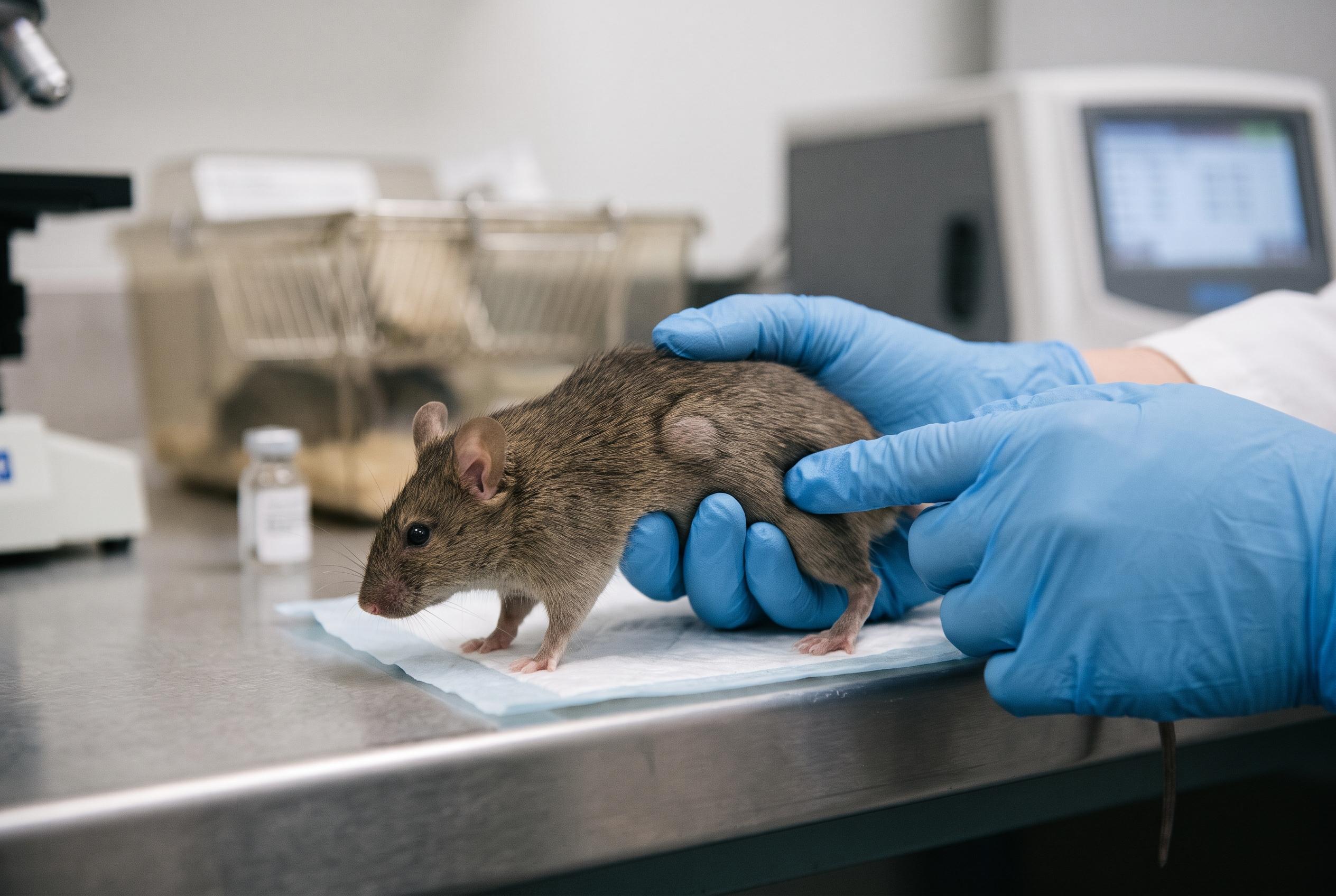

A Swiss-developed implant converted glucose into a substance the kidneys can excrete, lowering blood sugar and body weight in mice. Its safety and effectiveness in humans remain unknown.
Researchers in Switzerland have developed an experimental implant that can remove excess sugar from the bloodstream without insulin, drugs or living cells, raising the possibility of a future treatment for type 2 diabetes and obesity that works by clearing glucose from the body rather than merely shifting it around. The work, reported in Science on 22 October and described by ETH Zurich, has so far been tested only in mice, but it represents a strikingly different approach from existing therapies.
The device is about 3 centimetres long and sits under the skin. When activated, it uses an inorganic catalyst made from gold and platinum on a graphite base to convert glucose into gluconate, a substance the kidneys can excrete in urine. In the mouse experiments, blood sugar returned to normal within roughly an hour to an hour and a half of the implant being switched on, and over six weeks the treated animals lost as much as 10% of their body weight while also showing lower triglyceride levels.
The system is designed to work automatically. A wearable glucose monitor tracks blood sugar, sends the data to a smartphone or smartwatch, and then turns the implant on when levels climb and off again when they fall. ETH Zurich said the catalyst continued to work for months in animal testing, although that does not yet show how long the full device would remain functional in the body.
Even so, the idea is still at an early stage. Independent specialists quoted by Science warned that the safety questions are substantial, particularly because researchers still need to understand how much gluconate the kidneys can safely clear and whether removal of that by-product could disturb the body’s acid-base balance or deplete key electrolytes. There is also the issue of scale: humans take in far more carbohydrate each day than mice, so a version for people would likely need to process much larger amounts of glucose. The researchers say the next steps are tests in pigs and sheep before any consideration of human trials.
Disclaimer: This content is for informational purposes only and is not intended to be a substitute for professional medical judgment, advice, diagnosis, or treatment.