

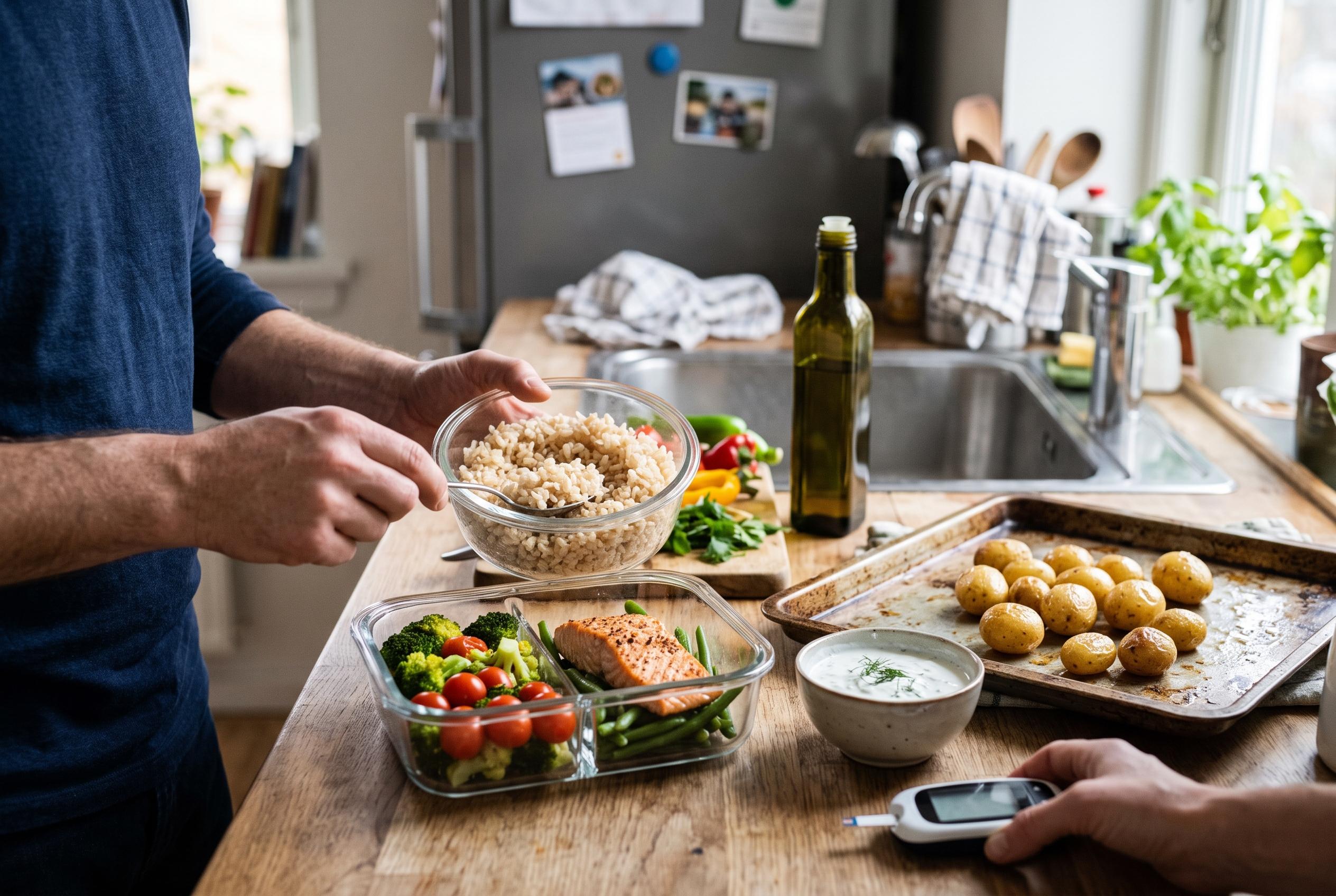

Emerging research shows that how rice and potatoes are prepared and combined in meals can significantly influence their impact on blood glucose levels, offering practical strategies for better diabetes management.
Rice and potatoes are often treated with suspicion by people watching their blood sugar, but both can still fit into a balanced diet. What matters most is not simply whether the food is starchy, but how it is prepared, how much is served and what else is on the plate. According to EatingWell, that broader context can make a meaningful difference to the body’s glucose response.
Rice is, at its core, a carbohydrate-rich food, so it can raise blood sugar quickly when eaten in large portions on its own. But not all rice behaves the same way. Brown rice and other less processed whole grains retain the bran and germ, which gives them more fibre than white rice, while also preserving more magnesium and other nutrients, as Healthline and Harvard Health both note. That extra fibre helps slow digestion and can soften the rise in blood glucose, although white rice is not inherently “bad”; it is simply more refined and lower in fibre.
Potatoes have a similar reputation, but they are more nutritious than their stereotype suggests. WebMD and Healthline both note that cooking method matters greatly: baked potatoes generally have a higher glycaemic impact than boiled ones, and frying or loading them with butter and cream changes the picture again. Potatoes also provide potassium, vitamin C and, especially when eaten with the skin, a useful amount of fibre. A small baked potato can deliver around 3 grams of fibre, which is why keeping the skin on is often encouraged.
If the question is which is better for blood sugar, the answer is not absolute. In the comparison highlighted by EatingWell, potatoes may have a slight edge in typical portions because they can contain fewer carbohydrates per serving than a standard serving of rice, while still offering fibre and micronutrients. Yet rice remains a perfectly workable option, particularly when the portion is modest and it is paired with protein, vegetables and healthy fats. Gillian Barcomb, a registered dietitian quoted by EatingWell, said the overall nutrient density of the meal matters more than focusing on one starch in isolation, because protein, fat and fibre all slow stomach emptying and reduce the speed of glucose release.
There is also a practical trick that can improve the blood sugar response to both foods: cooling them after cooking. EatingWell reported that when starchy foods such as rice and potatoes are cooked and then cooled, part of their starch changes into resistant starch, which the body digests less easily and which behaves more like fibre. Research cited in the article suggests that cooled, reheated rice can produce a smaller blood sugar rise than freshly cooked rice, including in one study involving people with type 1 diabetes. For anyone trying to keep glucose levels steadier, the lesson is less about banning rice or potatoes and more about choosing the right variety, the right portion and the right meal combination.
Disclaimer: This content is for informational purposes only and is not intended to be a substitute for professional medical judgment, advice, diagnosis, or treatment.



