

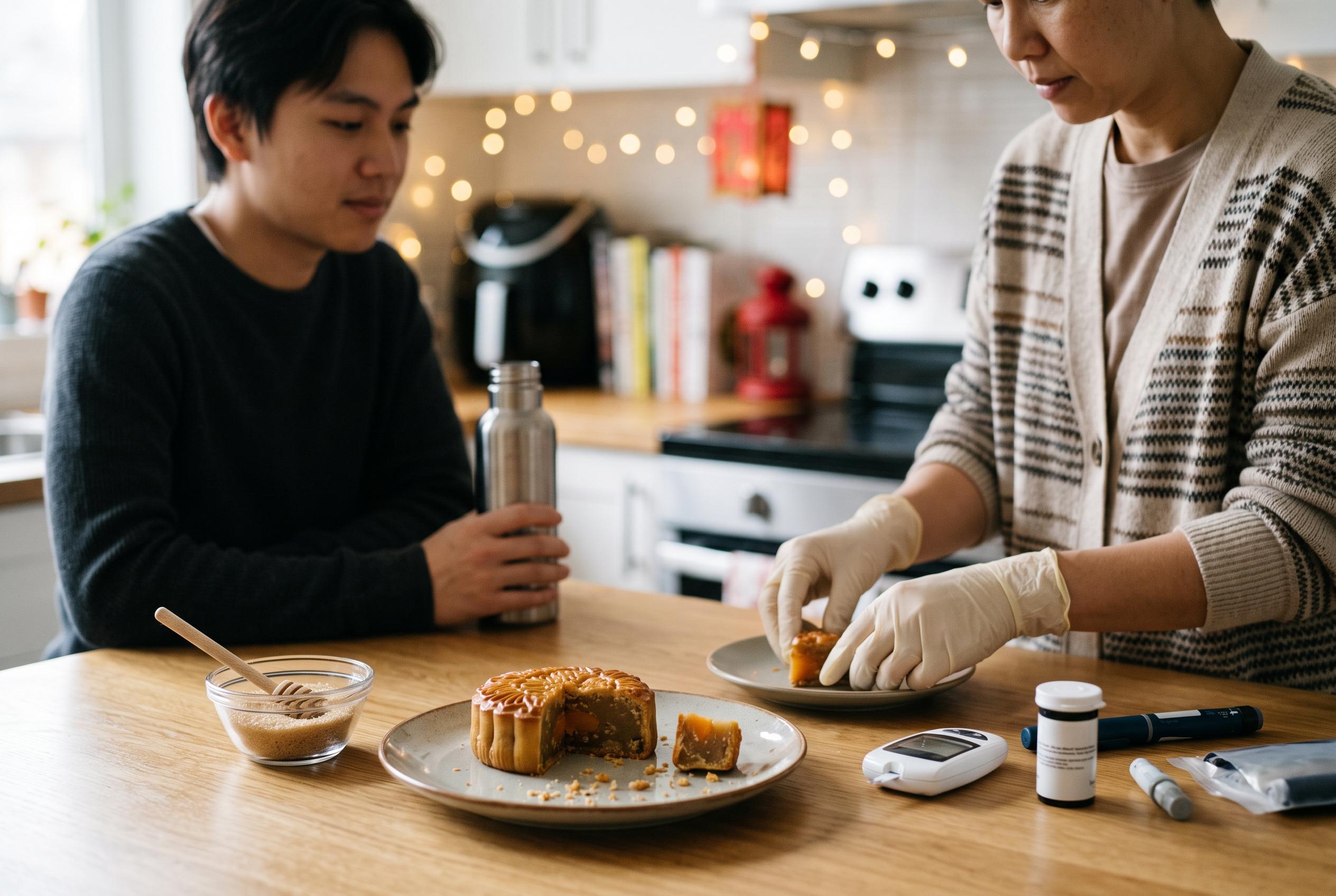

A traditional mooncake-style sticky rice cake can contain up to 1,250 calories and more than 50g of sugar, posing risks for those with metabolic health issues. Experts advise moderation and mindful consumption, especially during festive seasons.
A traditional mooncake-style sticky rice cake can be far more calorie-dense than many people realise, and nutrition specialists are warning that even a single large piece may be enough to upend an entire day’s eating plan. According to Dr Lê Thị Hương Giang, head of the nutrition and dietetics department at Hospital 19-8 in Hà Nội, the classic version is typically made with glutinous rice flour, sugar, lotus seed paste, salted egg yolk and rich fillings that make it a food best enjoyed in moderation.
Drawing on Vietnam’s National Institute of Nutrition food composition tables and USDA FoodData Central, Dr Giang said a traditional cake weighing about 350g can contain roughly 950 to 1,250 calories, depending on the filling and how much sugar or fat is added. That is broadly comparable to five or six bowls of white rice and, for many adults, close to half or even two-thirds of a full day’s recommended energy intake. By contrast, nutritional databases for plain sticky rice cake servings suggest much smaller portions contain far fewer calories, underscoring how quickly the total rises when the cake is large or heavily filled.
The bigger concern, she said, is not only calories but also sugar load. The World Health Organisation advises adults to keep free sugars below 50g a day, with an ideal target of less than 25g. Yet a large mooncake-style sticky rice cake may contain 50g to 80g of sugar, meaning one cake alone can exceed the daily limit. Dr Giang warned that eating an entire cake in one sitting can push blood glucose up sharply, forcing the body to release more insulin and raising the risk of weight gain, type 2 diabetes and metabolic disorders if the habit becomes routine.
Her advice is especially relevant for people with diabetes, pre-diabetes, obesity, fatty liver, high blood lipids, high blood pressure, heart disease and older adults, who should be particularly cautious. For healthy adults, she suggested limiting intake to about one-eighth to one-sixth of a cake, or roughly 40g to 60g at a time. The best moments to eat it are after a main meal or earlier in the day, such as in the morning or early afternoon, when the body has more opportunity to use the energy.
If someone does eat sticky rice cake, Dr Giang said the rest of the day should be adjusted accordingly: cut back on rice, sticky rice, bread and other sweets; add more vegetables; drink enough water; and get around 30 minutes of movement. She also noted that modern versions are increasingly topped with salted egg, cheese, dried pork floss, nuts or creamy sauces, all of which raise the energy, sugar, fat and sodium content further. Her broader message was simple: treat the cake as an occasional indulgence to be shared, not as a meal or casual snack.
Food safety is another issue, particularly with homemade products or those sold online. Because the filling often contains protein and moisture, poorly stored cakes can allow bacteria such as Salmonella, Staphylococcus aureus and Bacillus cereus to multiply, increasing the risk of food poisoning. Dr Giang advised shoppers to buy only from reputable producers with clear labels, origin details and expiry dates.
Disclaimer: This content is for informational purposes only and is not intended to be a substitute for professional medical judgment, advice, diagnosis, or treatment.



