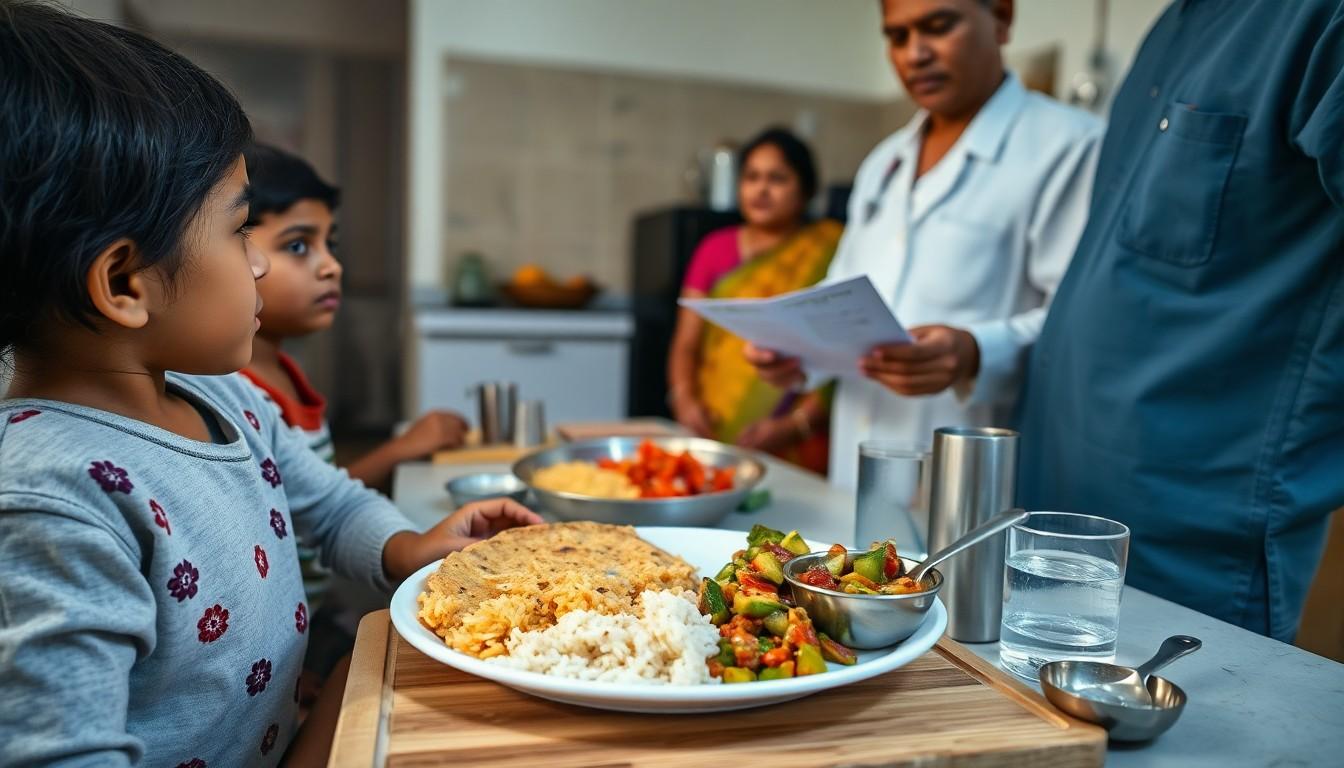

An Indian diabetes specialist highlights that managing blood sugar relies more on meal composition, portion size, and food order than on choosing between rice and roti, encouraging a balanced and thoughtful approach to carbohydrate consumption.
For many Indian households, the question of whether roti or rice is the better staple has become almost a daily argument. For people with diabetes, though, it is more than a kitchen debate: the type of carbohydrate on the plate can shape how sharply blood sugar rises after a meal.
Dr Anoop Mishra, one of India’s best-known diabetes specialists, argues that the issue should not be framed as a simple choice between banning rice and praising roti. The more useful approach, he says, is to understand how different carbohydrates behave in the body, and how meal composition, portion size and the order in which foods are eaten can affect glucose control. India Today reported that his central point is that rice is not off the menu, but roti is usually the safer option for people managing diabetes.
The reason, according to Dr Mishra, is digestion speed. Roti is generally a more complex carbohydrate, so it tends to be broken down more slowly and releases glucose more gradually. White rice, by contrast, is absorbed faster and can trigger a steeper post-meal spike. That view is consistent with guidance from Tata 1mg and other health writers, which note that white rice usually has a higher glycaemic index than whole wheat roti. Yet even advocates of roti caution that not all flatbreads are equal: refined flour versions or very large servings can still push blood sugar up quickly.
Dr Mishra also says the nutritional quality of roti can be improved by changing the flour mix. India Today reported that he recommends combining wheat with besan, millet or sorghum to raise fibre and protein levels while lowering the meal’s glycaemic impact. On the rice side, he prefers brown rice and parboiled rice, both of which tend to be less blood-sugar friendly than polished white rice. But the broader message is that rice can still fit into a diabetic diet if it is eaten thoughtfully rather than as a stand-alone staple.
That thoughtfulness starts with what comes before the main carbohydrate. Dr Mishra advises a preload of salad, ideally eaten 20 to 30 minutes before the meal, followed by protein-rich foods such as dal or rajma before reaching the rice. Moneycontrol and other health explainers have made a similar point: the problem is not simply rice plus roti, but the total carbohydrate load in one sitting. Once protein, vegetables and fibre are added to the plate, blood sugar tends to rise more slowly.
The practical lesson is that diabetes management is less about absolute bans than about balance. According to the reporting and the supporting nutritional advice, people with diabetes are usually better served by smaller portions, slower-digesting grains, more fibre and protein, and a sensible eating sequence. In that sense, the real question is not whether rice or roti is “good”, but how to build a meal that keeps blood sugar steadier over time.
Disclaimer: This content is for informational purposes only and is not intended to be a substitute for professional medical judgment, advice, diagnosis, or treatment.