

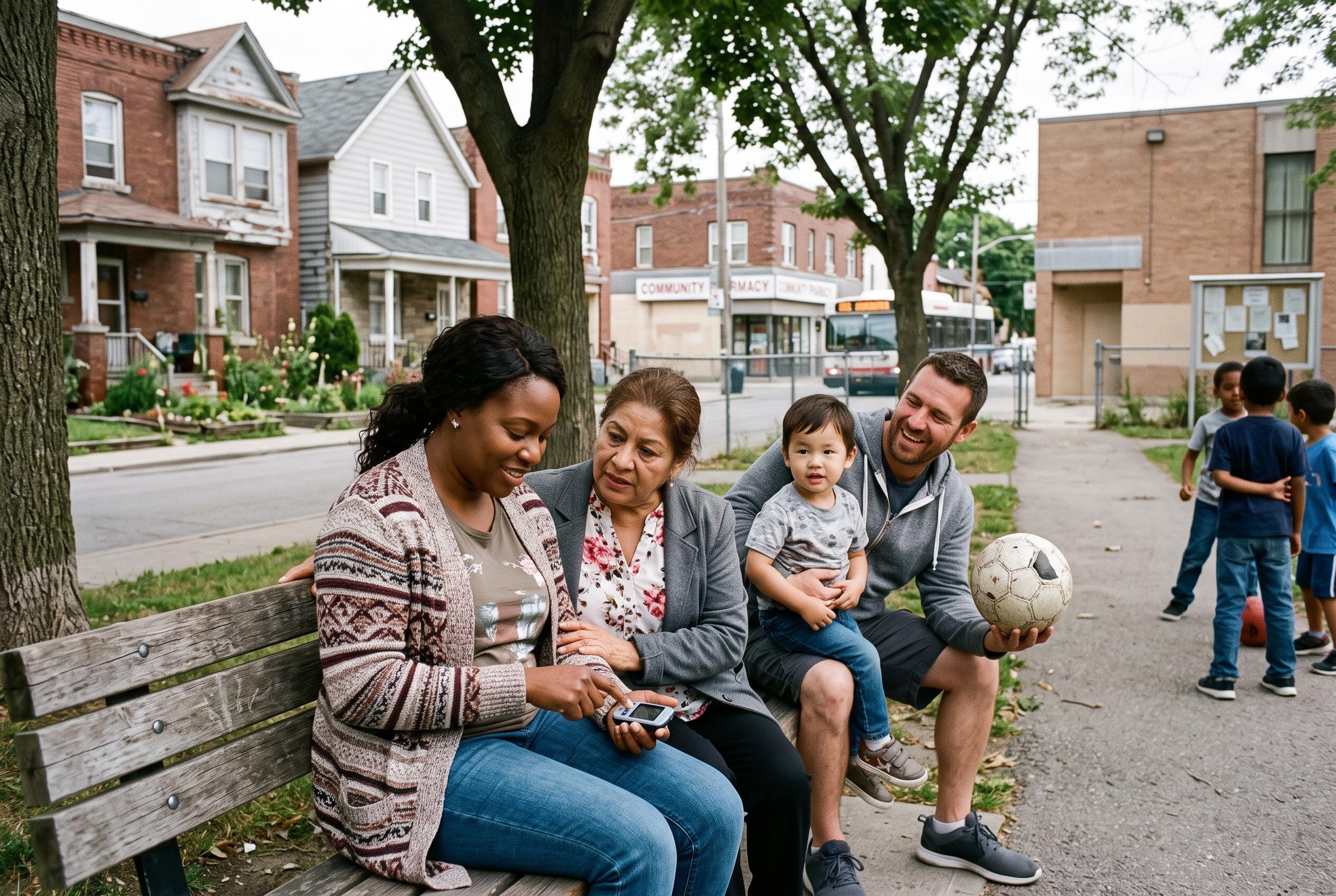

Evidence from Europe and the United States shows that type 2 diabetes varies sharply by income, ethnicity and geography, challenging prevention strategies centred solely on individual lifestyle choices.
A commentary on the redGDPS blog says the pattern of type 2 diabetes is not evenly shared across populations, and the wider evidence suggests those gaps are shaped by social position, place and access to care as much as by biology. The post sits alongside research showing that type 2 diabetes tends to strike earlier and more often in disadvantaged groups, a reminder that prevention policies have to look beyond individual lifestyle advice.
European data have long pointed in the same direction. A study published in Diabetes Research and Clinical Practice found that people aged 50 and over with lower socioeconomic status had a higher prevalence and incidence of type 2 diabetes than those in more advantaged groups. The researchers also examined body mass index and other possible mediators, suggesting that excess weight explains only part of the gap and that broader social conditions remain important.
Evidence from the United States reinforces that picture. In New York City, the health department said in a recent report that Asian, Black and Latino adults have nearly double the diabetes prevalence seen among White residents. Separate CDC analysis of National Health Interview Survey data found that diagnosed diabetes is more common in rural areas than in urban ones, with prevalence of 12.3% in rural communities versus 9.3% in cities, underscoring how geography can shape risk, diagnosis and follow-up care.
Other CDC research from New York City adds an age dimension to the inequalities. It found that patients from racial and ethnic minority groups with type 2 diabetes were, on average, 5.5 to 8.4 years younger than non-Hispanic White patients, pointing either to earlier disease onset, earlier diabetes-related death, or both. Taken together, the findings support a broader public health approach that combines earlier detection, better monitoring of blood sugar and interventions tailored to the social realities of different communities.
Disclaimer: This content is for informational purposes only and is not intended to be a substitute for professional medical judgment, advice, diagnosis, or treatment.



