


A small Houston pilot found that culturally adapted cooking lessons paired with lifestyle coaching were well received and may strengthen the link between programme attendance and weight loss.
A pilot study from Houston suggests that culturally tailored cooking classes may help people stay engaged in diabetes prevention, offering a possible way to tackle one of the National Diabetes Prevention Programme’s most persistent weaknesses: poor attendance. The research, published in Frontiers in Clinical Diabetes and Healthcare, found that adding the Sustainable Culturally Adapted Nutrition programme, or SCAN, to standard lifestyle coaching was well received and appeared to strengthen the link between class participation and weight loss.
The study was led by William B. Perkison at The University of Texas Health Science Center at Houston and involved 37 adults recruited from a federally qualified health centre. Participants were randomly assigned either to receive the National Diabetes Prevention Programme alone or to take part in SCAN alongside it. SCAN combined four group cooking lessons with motivational interviewing, a counselling approach that aims to build confidence and support behaviour change. The researchers also paired the programme with food assistance through the Houston Food Bank, which distributes more than $200 million of food each year to hundreds of thousands of people facing food insecurity.
The main finding was nuanced. In the intention-to-treat analysis, overall attendance over 12 months was similar in both groups. But a per-protocol review painted a more encouraging picture: people who attended at least one cooking class went to more diabetes prevention sessions on average than those who did not. The researchers also reported that each additional National Diabetes Prevention Programme session was associated with lower weight, and that the relationship between attendance and weight loss appeared stronger in the SCAN group than in the control group.
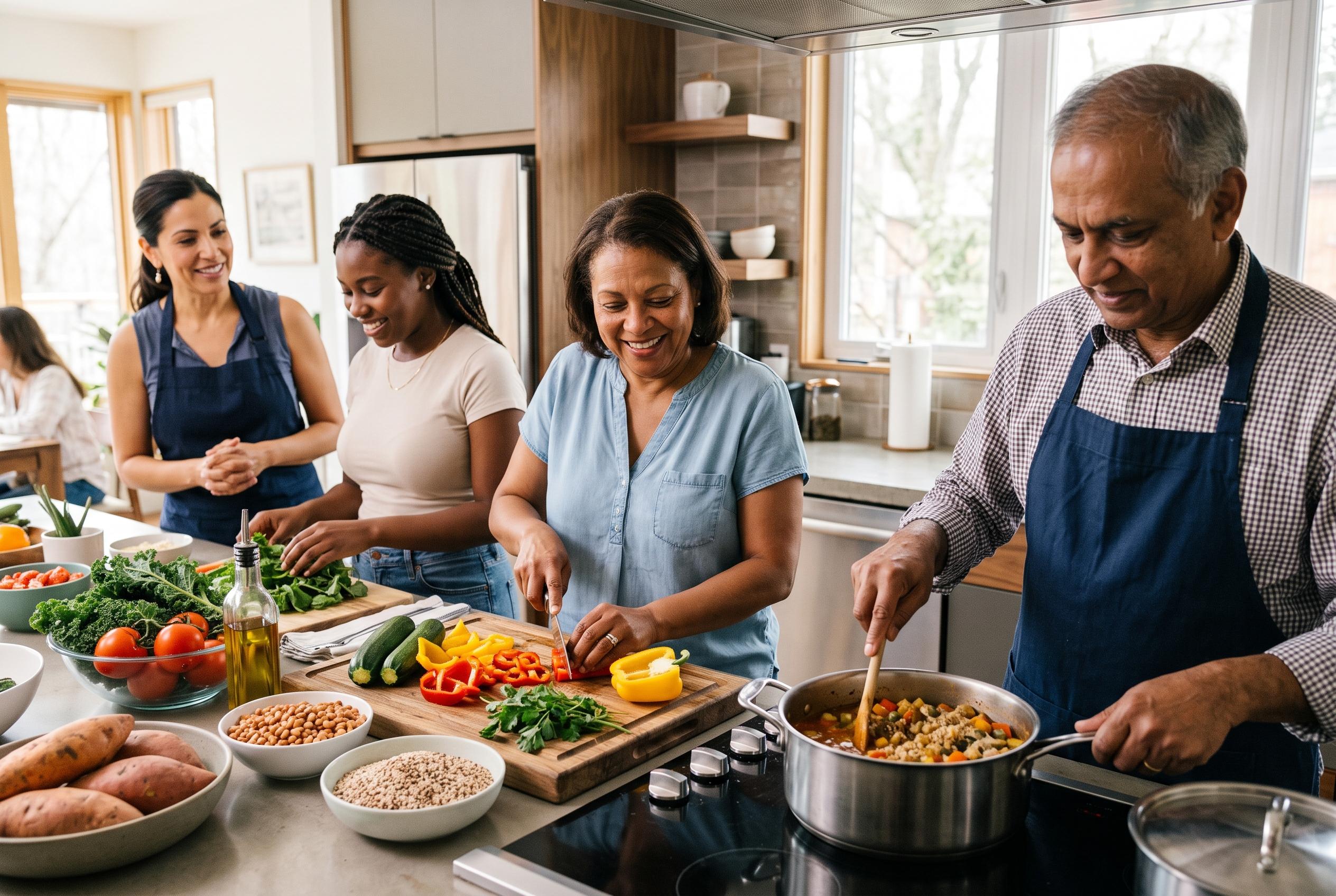
The cooking curriculum was deliberately adapted to participants’ cultural backgrounds and practical constraints. Recipes, handouts and images were tailored for the group, and classes were offered in English and Spanish. The sessions covered basic kitchen skills such as knife work, roasting, sautéing and microwaving, using dishes including Texas caviar with dressing, Tajin-spiced roasted carrots and garlic-and-herb broccoli. Ingredients and tools were delivered to participants’ homes before each virtual class, a design choice meant to reduce barriers to attendance during the pandemic, when many people were joining calls on smartphones and were unable to easily follow an instructor while cooking.
Participants reported strong satisfaction with the programme, and confidence levels improved in several areas, including the ability to judge personal diabetes risk, contact healthcare providers and prepare healthy meals. Still, the study had important limits. The sample was small, biometric follow-up data were incomplete for most participants, and the work was carried out largely during COVID-19, which complicated virtual delivery. Work schedules, childcare and transport to food distribution sites also remained obstacles, and fewer than 15% of participants used the food voucher benefit despite having access to it.
Even so, the findings add to a growing case for more flexible, culturally specific approaches in diabetes prevention, especially for communities that may not see themselves reflected in standard American diet advice. The study’s authors say future versions should be larger, longer and delivered in a hybrid format with more frequent scheduling options, alongside stronger motivational interviewing training and more participant input. For now, the message is cautious but clear: when diabetes prevention is adapted to people’s lives and food cultures, they may be more likely to show up and stay involved.
Disclaimer: This content is for informational purposes only and is not intended to be a substitute for professional medical judgment, advice, diagnosis, or treatment.



