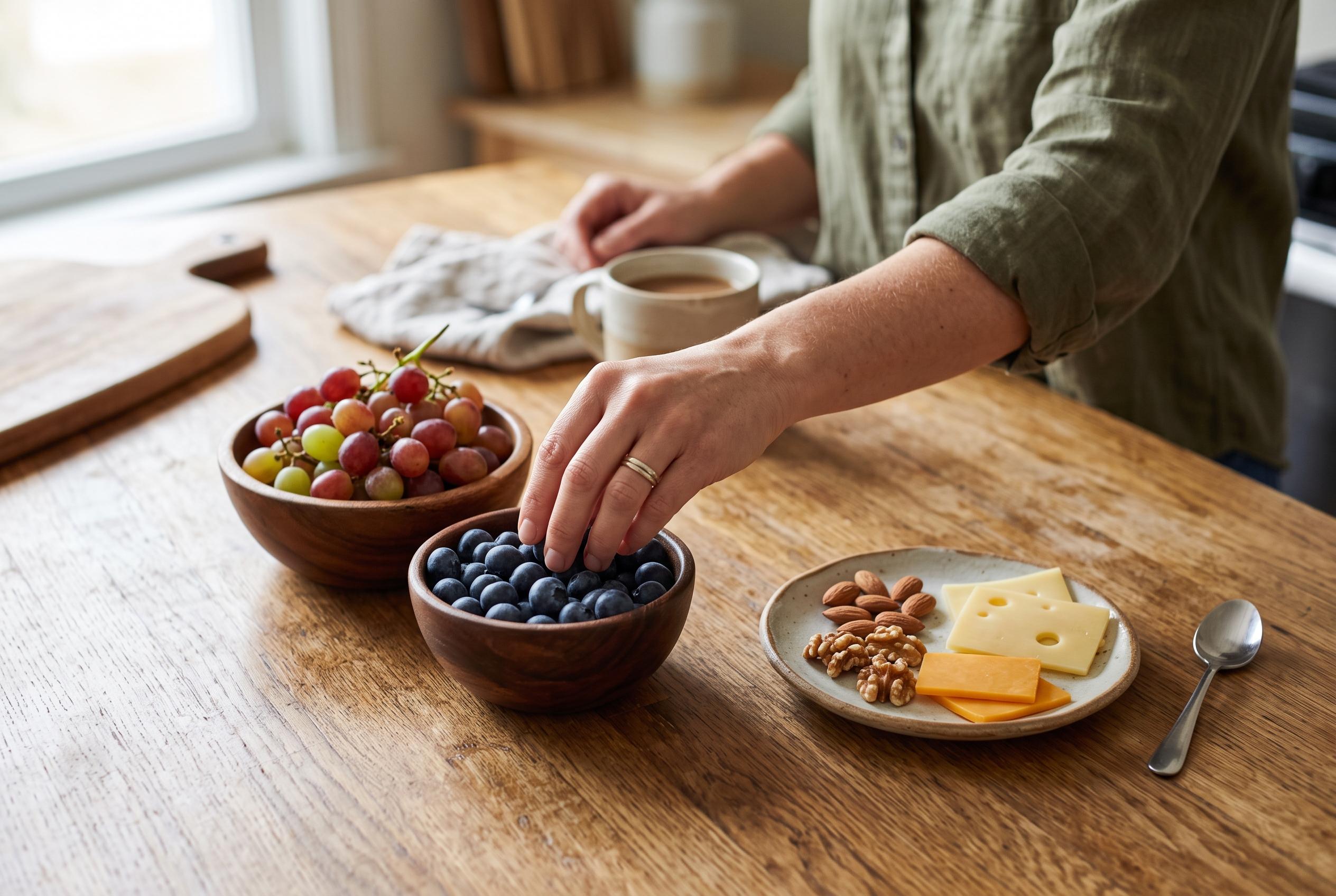

Blueberries may have a lower glycaemic impact than grapes, but experts say portion size and pairing fruit with protein or healthy fats matter more than the choice alone.
Blueberries appear to be the more blood-sugar-friendly choice than grapes, but the difference is not as dramatic as the debate sometimes suggests. A recent Media Indonesia article, based on nutrition guidance originally published by Eating Well, says both fruits can fit into a balanced diet, especially when eaten in sensible portions and paired with protein or healthy fats.
That matters because fruit is often unfairly treated as off limits for people watching their glucose levels. In reality, whole fruit behaves differently from foods high in added sugar. Its fibre slows digestion and helps soften the rise in blood glucose, while plant compounds such as antioxidants may support better metabolic health. Blueberries, in particular, are widely regarded as a strong option because they combine a relatively low glycaemic impact with fibre and antioxidant content, according to health and nutrition guides cited in the related material.
Blueberries also have the edge on portions and composition. Healthline describes them as a fruit with a low glycaemic index and a nutrient profile that includes vitamins, minerals and antioxidants, while other nutrition references note that their glycaemic load is also modest. In practical terms, that means a serving of blueberries is less likely to trigger a sharp jump in blood sugar than many sweeter snacks. Dietitians quoted in the Media Indonesia piece also pointed to research suggesting that berry consumption can improve fasting glucose and long-term markers such as A1C in people with diabetes.
Grapes are still nutritious, but they tend to deliver more sugar and less fibre per cup than blueberries. Nutrition references in the source material place grapes in the moderate glycaemic range, which helps explain why they may raise blood glucose more quickly, especially if eaten alone or in larger portions. Even so, grapes are not a poor choice in themselves. Their water content, fibre and plant compounds, including resveratrol in the skin of red and purple varieties, can still make them part of a healthy pattern of eating.
The most useful lesson is that context matters more than any single fruit. Dietitians quoted in the Media Indonesia report said grapes become a better option when they are eaten with foods that slow absorption, such as cheese, nuts, yoghurt or peanut butter. The same approach works with blueberries, which can be added to Greek yoghurt, blended into a smoothie with protein, or served alongside a meal instead of eaten on their own. For most people, portion size and the rest of the plate will have a bigger effect on blood sugar than choosing one fruit over the other.
Disclaimer: This content is for informational purposes only and is not intended to be a substitute for professional medical judgment, advice, diagnosis, or treatment.