
The expanding market for continuous glucose monitors is heralding growth, but recent FDA actions against major players highlight trust and software risks that could shape the future of diabetes management technology.
A bullish forecast for blood glucose monitoring systems is landing at the same time as regulators are reminding manufacturers that growth will count for little if sensors and apps cannot be trusted. PW Consulting says the market is on course for a 7.5% compound annual growth rate through 2032, driven by the rising burden of diabetes and wider use of continuous monitoring, but recent FDA actions against Abbott and Dexcom show how quickly quality and software failures can become a commercial threat.
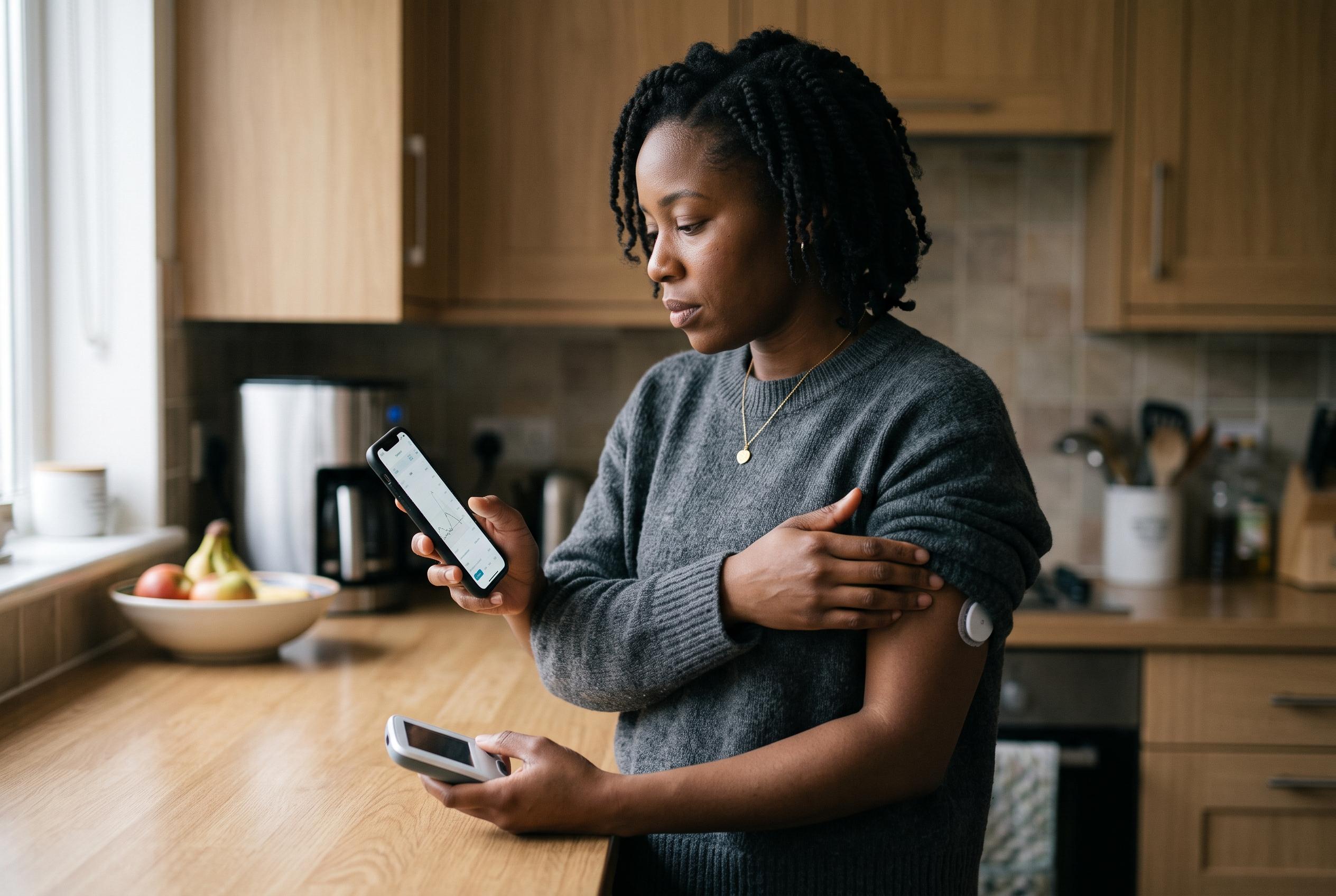
That matters because the industry is moving well beyond the old finger-prick model. Continuous glucose monitors, or CGMs, use a small sensor placed on the body to measure glucose in the fluid beneath the skin every few minutes and send readings to a receiver or smartphone. For people with diabetes, those data can shape food choices and insulin use in real time. The PW Consulting study argues that the big dividing line in the market is now between traditional self-monitoring blood glucose systems and CGM platforms, with adoption also shaped by reimbursement rules, regional distribution and how far monitoring is integrated into digital care.
Abbott’s correction late in 2025 is a clear example of the risks involved. According to the FDA, the company corrected certain FreeStyle Libre 3 and FreeStyle Libre 3 Plus sensors in the United States after internal testing found that some could produce incorrect low glucose readings. Abbott said the issue affected a subset of sensors from one production line and that it had identified and resolved the manufacturing problem, while no other Libre sensors, readers or apps were affected. The company estimated that about 3 million sensors in the US were involved, roughly half of them already expired or used. Associated Press reported that Abbott had linked the issue to seven deaths worldwide and more than 700 injuries. The danger, as both the FDA and AP set out, is that falsely low readings may prompt people to eat too many carbohydrates or skip or delay insulin.
Dexcom faced a different kind of problem, but one that points to the same strategic weakness: software has become as important as hardware. In an FDA notice about a correction issued in July 2025, the regulator said certain versions of the Dexcom G7 and Dexcom ONE+ apps could miss a “Sensor Failed” alert when a transmitter suffered a hardware or firmware failure. That meant the app could stop reporting glucose values and show “Start Sensor” or “No active sensor” without warning the user that the transmitter had failed. The FDA classified the action as its most serious type of recall, even though it said no injuries or deaths had been reported. Users had to upgrade affected versions by 20 August 2025. The agency also noted that Dexcom G7 is indicated for people aged two and older and can communicate with automated insulin dosing systems, underlining how deeply these devices are now tied into treatment workflows.
The FDA has also warned that the weak point is not always the sensor itself. Associated Press reported that patients using smartphone apps to manage diabetes had missed critical alerts because of changes in phone settings, software updates or connections to new audio devices such as car stereos. Courtney Lias, a division director at the FDA’s device centre, said: “Even if configured correctly, certain hardware or software changes can interrupt the expected operation of these critical devices, which can lead to patient harm if undetected.” The agency’s advice included checking compatibility before updating phones, testing alerts after pairing new accessories and reviewing notification settings every month. With roughly 37 million Americans living with diabetes, AP noted, those are not niche technical problems.
At the same time, the market is widening into over-the-counter and consumer channels. Reuters reported in March 2024 that the FDA had cleared Dexcom’s Stelo as the first CGM to be sold without a prescription. The device was aimed at adults aged 18 and over who do not use insulin, including people managing diabetes with oral medicines and people without diabetes who want to see how diet and exercise affect blood sugar. Reuters also noted an important limit: Stelo was not designed for people with problematic hypoglycaemia because it does not alert users to that condition.
That expansion beyond traditional diabetes care is not without critics. Writing in The Guardian, Prof Jenny Gunton of the Westmead Institute for Medical Research said CGMs can “hugely improve the quality of life” for people with type 1 diabetes, pregnant women with gestational diabetes and people with type 2 diabetes who use insulin. But she also cautioned that, outside those groups, the devices may have more ambiguous value and that “like any device that gives lots of information, CGMs can sometimes increase anxiety and stress”. That tension goes to the heart of the commercial debate: the addressable market may be getting larger, but not every new wearer is necessarily a long-term clinical user.
The implication for manufacturers is that the next phase of growth will be won less by selling monitoring as a gadget and more by proving it can function as a dependable clinical platform. The PW Consulting report is right to focus on portfolio mix, channel strategy and regulation, but the evidence from Abbott, Dexcom and the FDA suggests that trust, post-market surveillance and app reliability now sit alongside scale as the industry’s real competitive tests. In a market where data flow directly to phones and, in some cases, into automated insulin systems, a missed alert or a false low reading is no longer a customer-service issue. It is a regulatory event, a reputational shock and, potentially, a brake on the very consumer expansion the industry is counting on.
Disclaimer: This content is for informational purposes only and is not intended to be a substitute for professional medical judgment, advice, diagnosis, or treatment.