

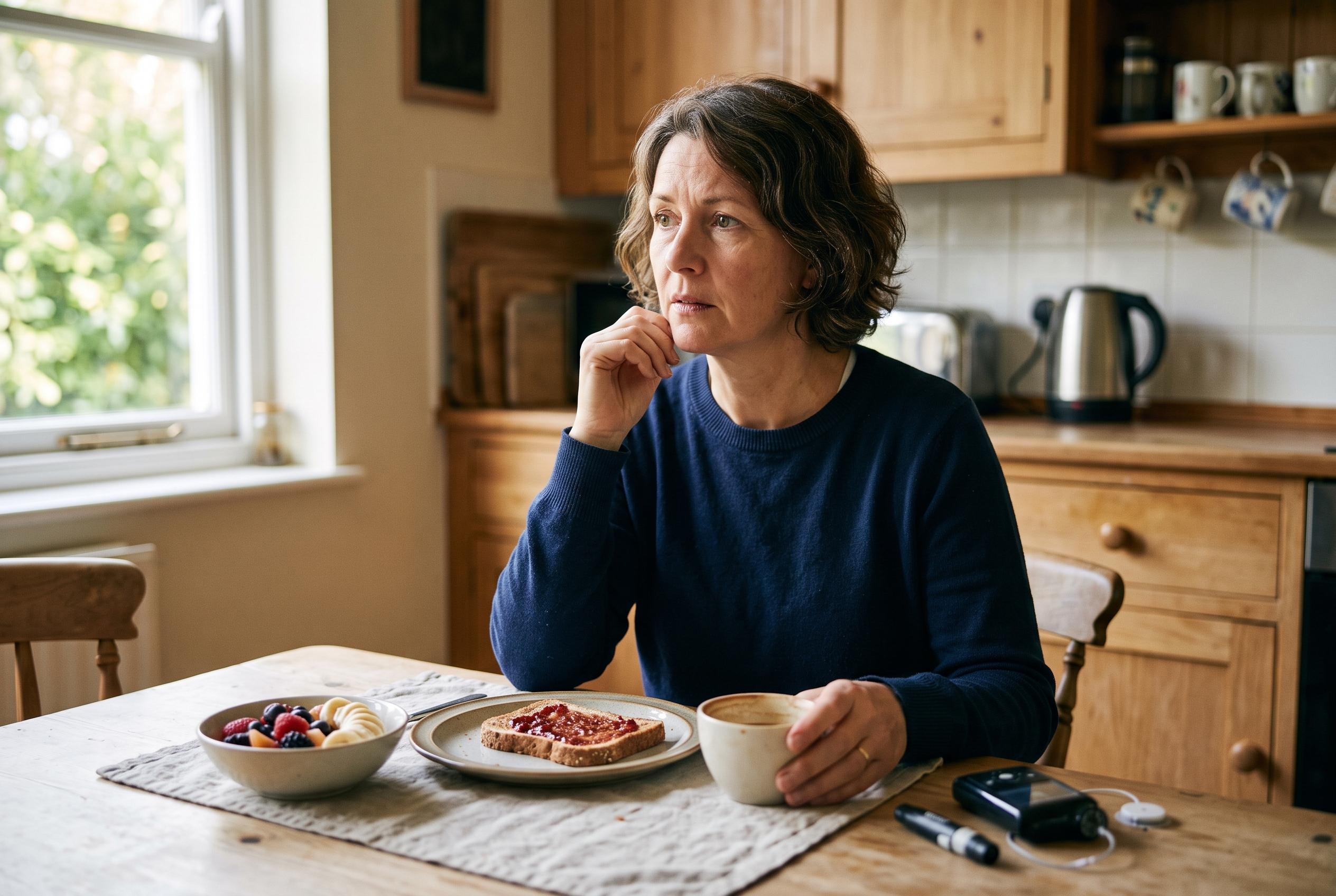

Research suggests late risers and people with impaired metabolic health may experience a stronger blood sugar response to carbohydrate-rich breakfasts.
A carbohydrate-heavy breakfast is often treated as the healthiest way to begin the day, but researchers say that assumption does not hold for everyone. Work from Paderborn University suggests that whether oats, rolls or other starchy foods are helpful in the morning depends partly on a person’s internal body clock, their metabolic health and how much energy they actually need early in the day.
The university’s ChroNu study found that people with a late chronotype , often described as “owls” , may handle a high-carbohydrate breakfast less well than early risers. In those cases, the same meal that feels harmless to one person can produce a stronger blood sugar response in another, raising the possibility that a lower-carbohydrate breakfast may be the better choice for some late sleepers.
That point matters most for people with insulin resistance, impaired glucose tolerance, obesity or type 2 diabetes. German health articles citing diabetes guidance note that a breakfast with fewer refined carbohydrates can help limit blood sugar swings after eating. By contrast, white bread, sweetened cereals and other highly processed breakfast foods can push glucose levels up quickly, especially when combined with a sedentary morning.
The practical consequence is not that everyone should avoid carbohydrates at breakfast, but that the timing and type of carbohydrate matter. For people who do not need a fast energy boost first thing, a meal built around protein, fibre and healthy fats may be steadier: eggs with vegetables, yoghurt or quark with nuts and berries, or whole-grain bread rather than white rolls. Water, unsweetened tea or coffee are better choices than sugary drinks. For those whose mornings start slowly, or whose metabolism is already under strain, a lighter-carb breakfast may be the more sensible way to begin the day.
Disclaimer: This content is for informational purposes only and is not intended to be a substitute for professional medical judgment, advice, diagnosis, or treatment.



