
Sweetness taps into an ancient preference, but that does not make sugar addictive. From checking labels to serving smaller portions, small changes can help reduce added sugar without ruling out treats.
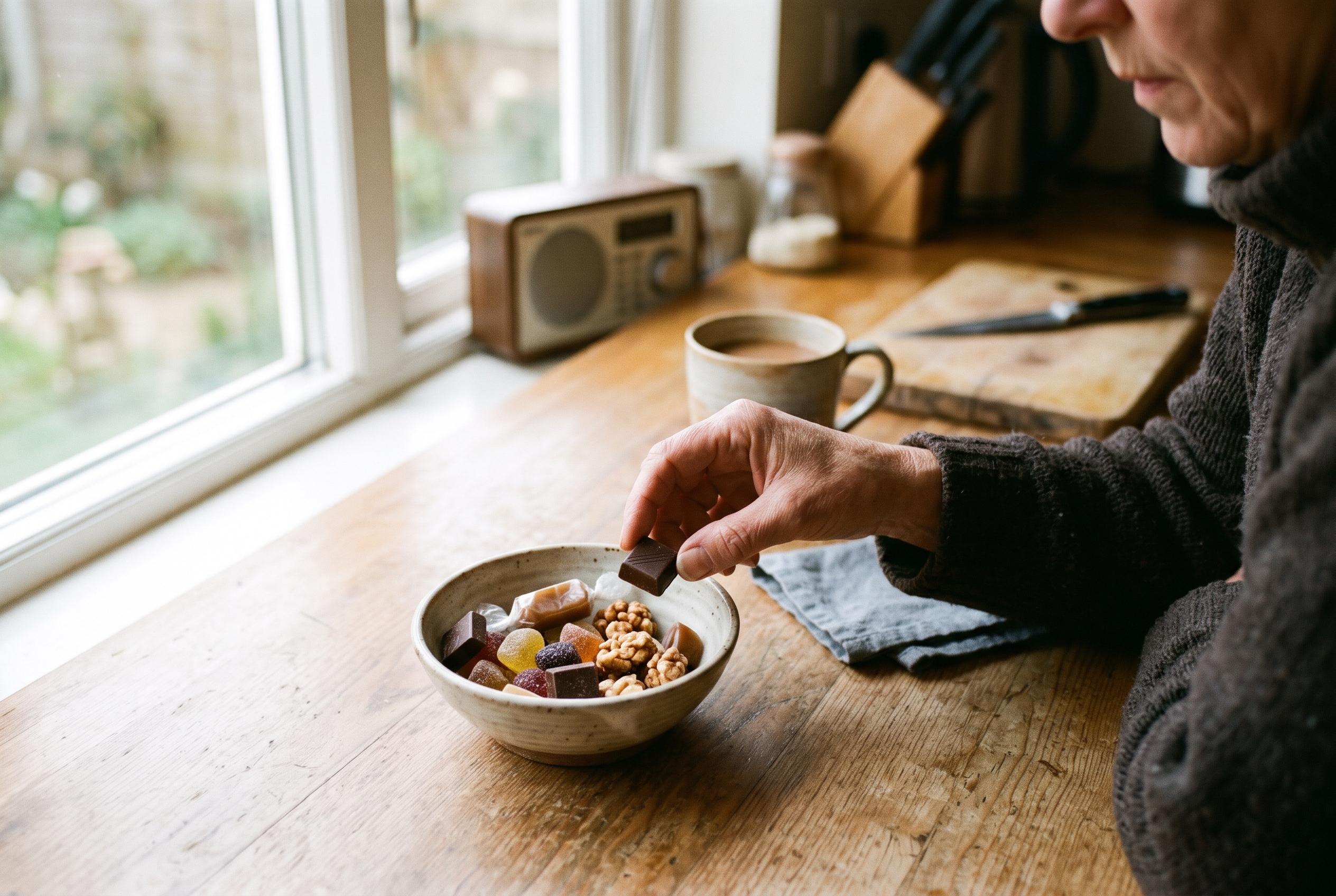
A bowl of seasonal sweets can disappear surprisingly quickly, even in a small household. The appeal is rooted partly in biology: a review in The Development of Sweet Taste: From Biology to Hedonics explains that sweetness helped signal energy-rich foods in environments where food was scarce, while bitterness could warn of potentially harmful plant compounds. Neither taste, however, is a reliable test of whether a food is safe or nutritious.
Sweet foods can also engage the brain’s reward system, but that response does not mean sugar is addictive in the same way as drugs. A review of research on sugar and addiction found limited evidence that sugar itself causes addiction in people. Some animal studies have reported addiction-like behaviours, particularly when rats had access to sugar only intermittently, but the authors caution against treating reward responses alone as proof of addiction.
The health concern is less about enjoying an occasional sweet than about consuming too much added sugar over time. The World Health Organization says its guidance on free sugars aims to reduce unhealthy weight gain and tooth decay. Free sugars include those added to foods and drinks, as well as sugars in honey, syrups and fruit juice. The risks associated with diets high in sweetened products make it useful to pay attention to how much sugar is in everyday choices.
Nutrition labels can help distinguish added sugars from those naturally present in foods such as fruit and milk. The US Food and Drug Administration says the Nutrition Facts label lists added sugars in grams and as a percentage of the Daily Value. Sweetened drinks, baked goods, desserts and confectionery are among the common sources. The American Heart Association suggests daily added-sugar limits of 36 grams for men and 25 grams for women; these are its recommendations, not a universal prescription for every individual.
Small adjustments can make it easier to reduce sugar without treating all sweet foods as off-limits. Checking labels, choosing smaller portions of sweetened drinks and keeping treats in a smaller bowl are practical ways to moderate intake. For baking, sugar does more than sweeten: Alabama Cooperative Extension guidance notes that it affects texture and consistency, so reducing it can alter the finished product. A modest reduction may work in some recipes, but results depend on what is being made.
Fruit can offer another route to a sweet finish. A salad made with chopped apples, raisins and dried cranberries, served with cinnamon-flavoured yoghurt, combines fresh fruit with sweeter ingredients. As with any recipe, the amount of added sugar depends on the products chosen, particularly sweetened dried fruit and flavoured yoghurt. The FDA advises using the added-sugars line on the label to compare products and make informed choices.
Disclaimer: This content is for informational purposes only and is not intended to be a substitute for professional medical judgment, advice, diagnosis, or treatment.