
A review in Nutrients highlights that the quality of plant foods, especially minimally processed options like legumes and whole grains, plays a crucial role in reducing type 2 diabetes risk, emphasising the importance of real food over processed fare.
A review in the journal Nutrients has added fresh weight to the case for whole-food, plant-based eating in diabetes prevention, finding that the quality of plant foods matters far more than the label itself. Drawing on prospective studies, randomised trials and meta-analyses, the paper found that diets built around minimally processed plant foods were linked with a lower risk of type 2 diabetes and better markers of blood sugar control.
The clearest benefits were tied to dietary patterns rich in legumes, whole grains, fruit, vegetables, nuts and seeds. Earlier reviews and meta-analyses have reached similar conclusions: people who adhere more closely to plant-based diets tend to face a lower risk of developing type 2 diabetes, and the effect appears strongest when the diet is centred on healthier foods rather than refined or heavily processed products. A 2024 meta-analysis published in PubMed-listed research found inverse associations for vegan and lacto-ovo-vegetarian diets, while studies in JAMA Internal Medicine and Diabetes & Metabolism also stressed that not every plant-based diet is metabolically protective.
Much of the benefit appears to stem from fibre. The Nutrients review said fibre can slow digestion, blunt post-meal glucose rises, increase fullness and support healthier body weight and insulin sensitivity. It also feeds gut bacteria, which produce short-chain fatty acids that may help temper inflammation and support blood sugar regulation. Legumes received particular attention because they combine protein, soluble and insoluble fibre, and resistant starch, while having a low glycaemic index.
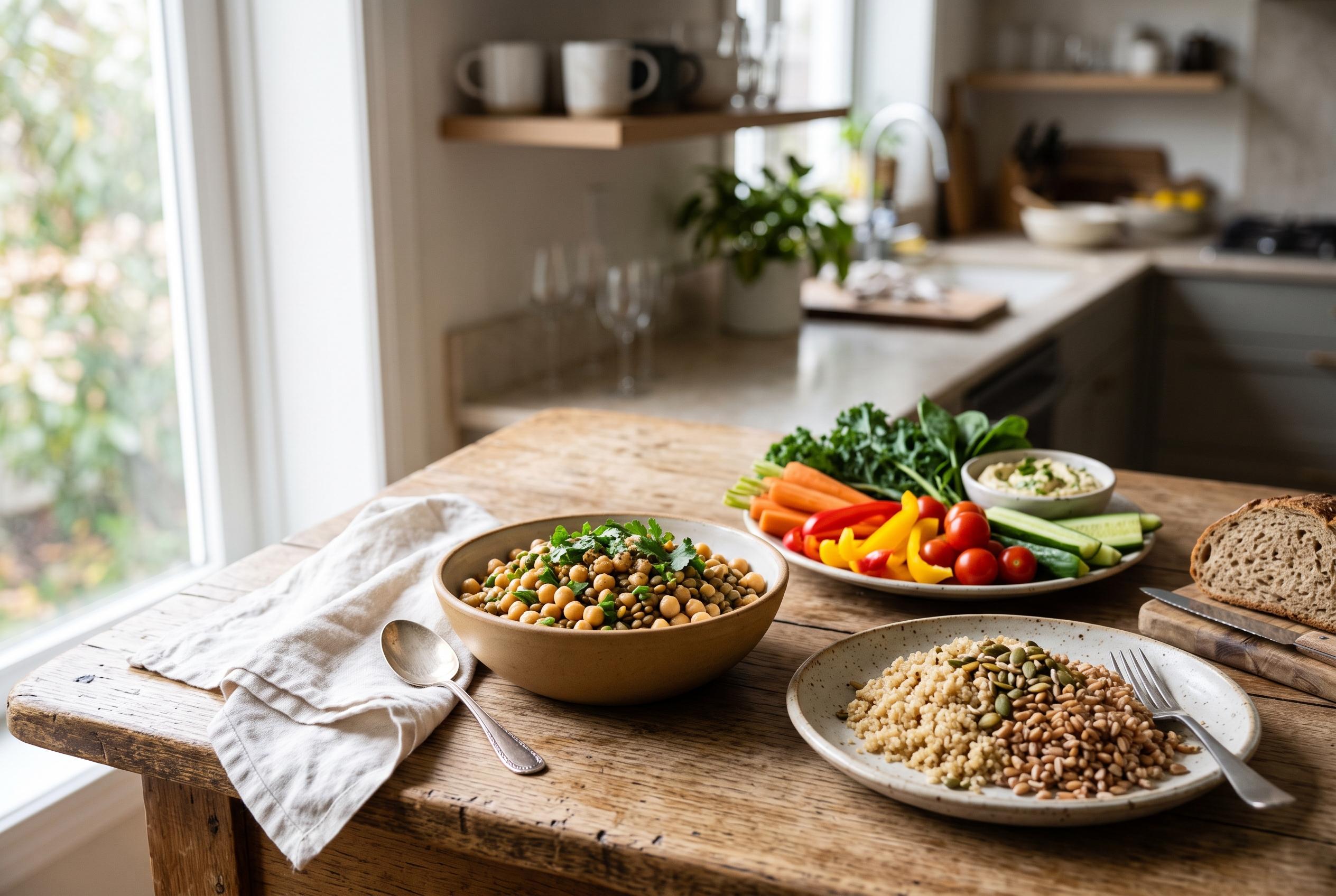
The review also drew a sharp line between healthy and unhealthy plant-based eating. Diets built on white flour products, sugary drinks, sweets and ultra-processed foods may still be technically plant-based, but they do not appear to deliver the same benefits. By contrast, evidence also links higher intakes of processed meat and red meat with a greater risk of type 2 diabetes, and some trials suggest that replacing animal proteins with plant proteins can improve glucose control. In practical terms, the findings point less to a strict label such as vegan or vegetarian than to a broader pattern: eat more real food, especially beans, lentils, whole grains and vegetables, and less highly processed fare.
Disclaimer: This content is for informational purposes only and is not intended to be a substitute for professional medical judgment, advice, diagnosis, or treatment.