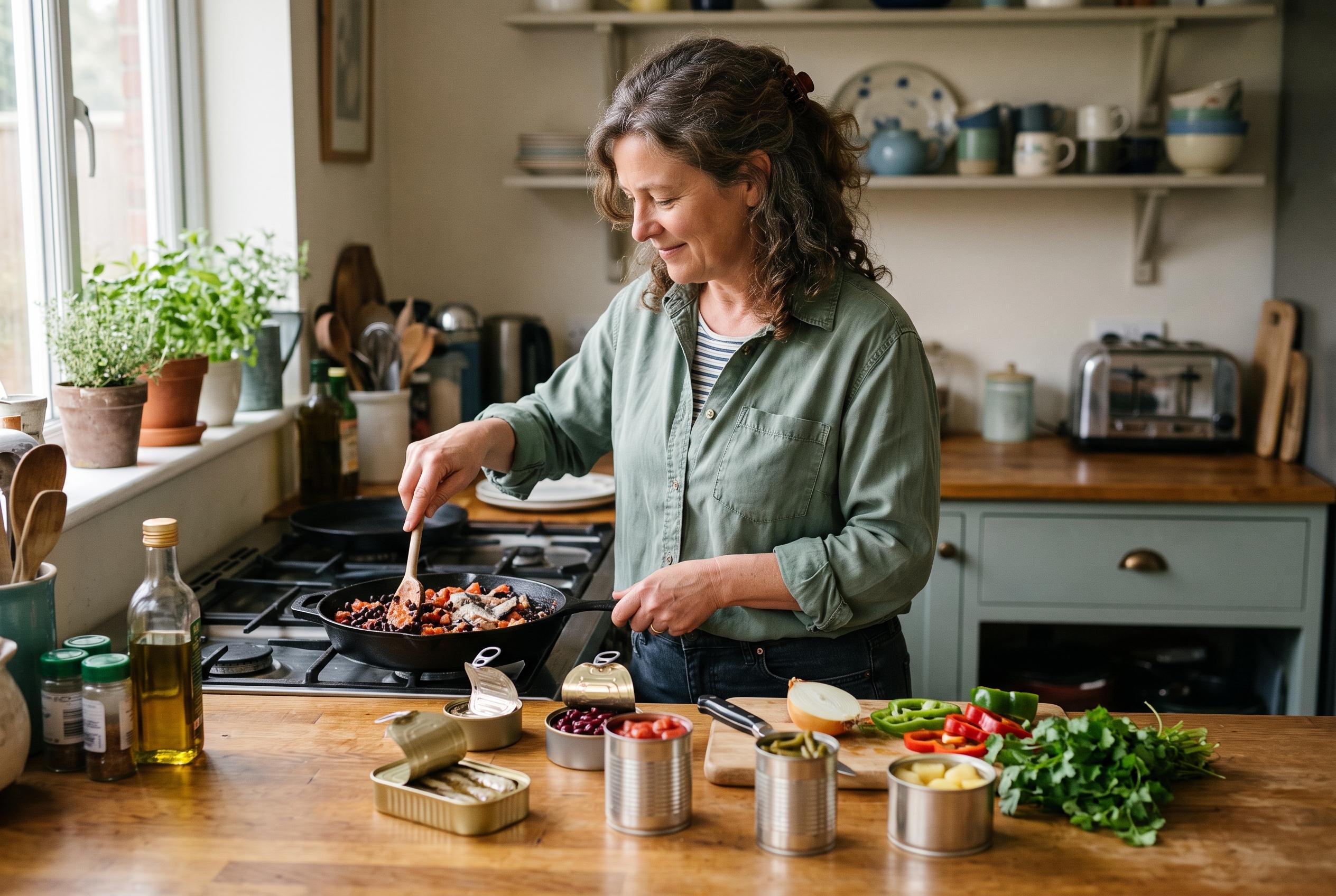

Tinned fish, beans, vegetables and fruit can form the basis of affordable, nutritious meals, provided shoppers watch the salt, sugar and syrup on the label.
Canned foods are often treated as a fallback, but nutrition experts say they can also help people build meals that are quicker, cheaper and more blood-sugar friendly. According to Eating Well, the key is choosing tinned foods that bring protein, fibre and other nutrients to the plate, rather than relying on products loaded with salt or sugar. Healthline likewise notes that canning can preserve much of a food’s nutrition, although some water-soluble vitamins may be reduced during processing.
Among the most useful cupboard staples are tinned fish, especially tuna and salmon. Registered dietitian and certified diabetes care and education specialist Lillian Shepherd said protein can slow digestion and help people feel fuller for longer, which may support steadier glucose levels. A 100g serving of canned tuna has about 20g of protein, while the same amount of salmon provides roughly 22g. Healthline also points out that canned foods can retain most macronutrients and many micronutrients, making fish in tins a practical option for quick lunches or simple dinners.
Tinned chicken can serve a similar purpose, giving meals an easy protein boost without the effort of cooking meat from scratch. Eating Well says it is especially handy when a recipe calls for shredded chicken, while the same source estimates that a 100g portion contains around 25g of protein. That makes it useful in salads, casseroles and other dishes where convenience matters as much as nutrition.
Vegetables, tomatoes, beans and chickpeas are also useful choices for anyone looking to keep blood sugar on a more even keel. Healthline says canned black beans are rich in plant protein and fibre, and that their low glycaemic index makes them a sensible option for people monitoring glucose levels. A separate Healthline guide for people with diabetes includes canned beans and tomatoes among long-lasting foods that can help support balanced meals, while noting that canned tomatoes are low in carbohydrates and contain lycopene, an antioxidant linked with heart health.
Tinned vegetables can also be a smart buy, particularly if they are labelled low sodium or no added salt. Healthline and Hackensack Meridian Health both advise checking labels closely, because sodium levels can vary widely between brands. If a tin only contains the salted version, rinsing the contents under cold water can reduce some of the salt before the food is added to soups, stews or side dishes.
Fruit in tins can still have a place in a blood-sugar-aware diet, but the liquid matters. Eating Well recommends choosing fruit packed in water or its own juice rather than syrup, to avoid unnecessary added sugar. For a more balanced snack, it suggests pairing peaches, pears or mandarins with Greek yoghurt or cottage cheese, so the protein tempers the rise in glucose. That advice fits with broader guidance from Healthline, which cautions shoppers to look carefully at added sugars in canned fruit.
For people trying to eat well without spending much time in the kitchen, the broader lesson is straightforward: a well-stocked cupboard can support better meal planning. Tinned fish, beans, vegetables, tomatoes and plain pumpkin purée can all be turned into filling meals with protein, fibre and useful micronutrients. The main discipline is to read the label, keep an eye on sodium and sugar, and combine these foods in ways that make the meal more balanced overall.
Disclaimer: This content is for informational purposes only and is not intended to be a substitute for professional medical judgment, advice, diagnosis, or treatment.