

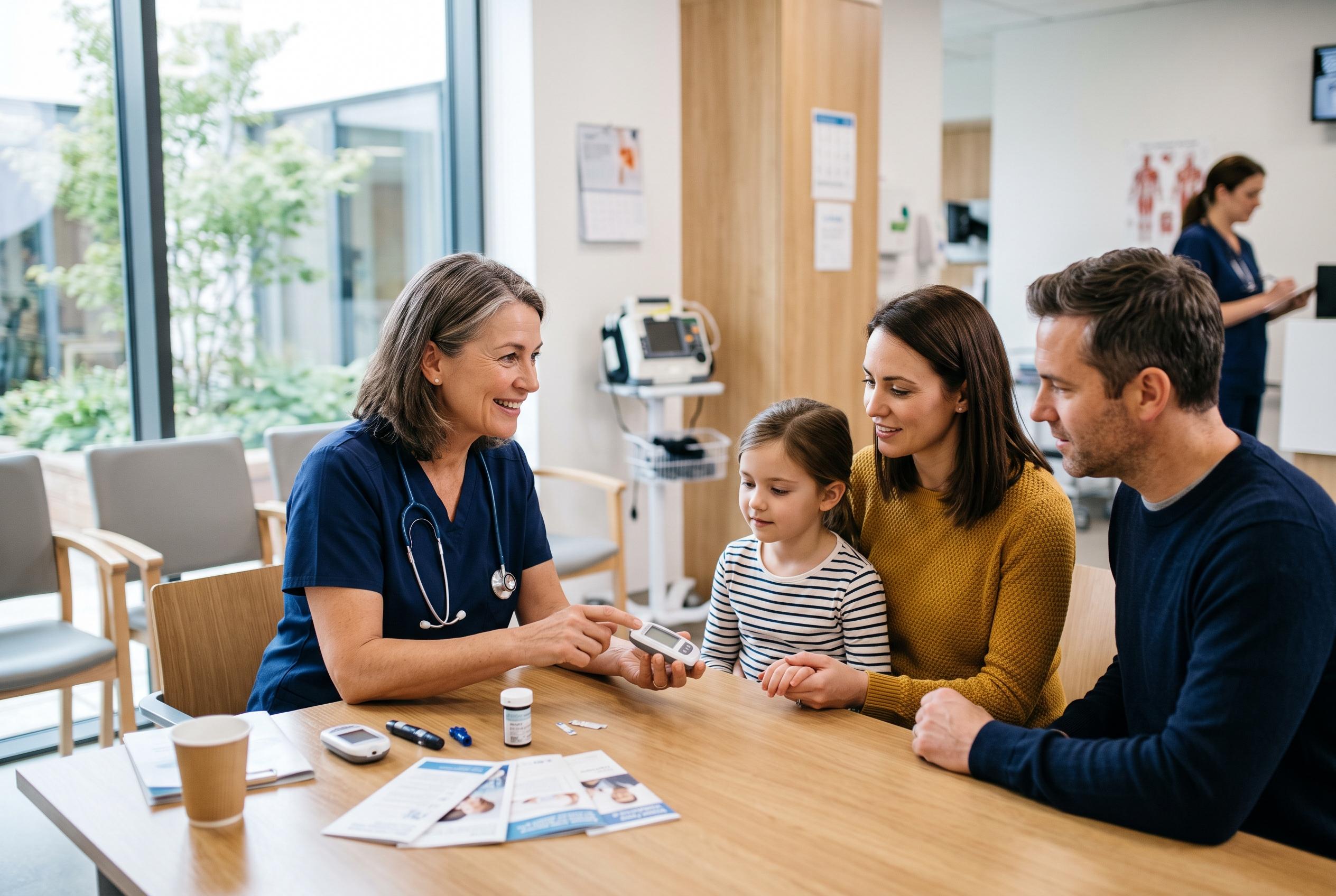

Spain’s leading diabetes societies have proposed a structured pathway to identify autoimmune type 1 diabetes before symptoms emerge, aiming to reduce dangerous ketoacidosis and give families earlier support.
Spain’s leading diabetes groups are urging a shift towards earlier detection of type 1 diabetes, arguing that the disease should no longer be viewed as something that begins only when symptoms appear and blood sugar rises. In a consensus framework published in Endocrinología, Diabetes y Nutrición, the Spanish Diabetes Society, the Spanish Society of Endocrinology and Nutrition, and the Spanish Society of Paediatric Endocrinology set out a care pathway for identifying people who have already entered the autoimmune phase of the illness but have not yet developed clinical disease.
The document reflects a broader scientific position increasingly backed by international diabetes organisations: type 1 diabetes develops over time, often silently, before the need for insulin becomes obvious. The framework uses blood tests for islet autoantibodies, including markers such as GADA, IA-2A, IAA and ZnT8A, to identify the pre-symptomatic stage. Persistent positivity for at least two of these antibodies signals a high risk of progression, and the consensus follows the internationally used three-stage model that separates early autoimmunity, abnormal glucose metabolism and symptomatic diabetes.
According to the Spanish societies, finding people before they become unwell could materially improve outcomes. One of the clearest benefits is a lower rate of diabetic ketoacidosis at diagnosis, a dangerous metabolic emergency that often marks the first presentation of type 1 diabetes and can make later glucose control harder. The framework also argues that earlier contact with the health system gives families time to receive education about the disease, recognise warning signs and access psychological support before insulin dependence begins. In comments to Univadis Spain, part of the Medscape Professional Network, Juan Francisco Merino-Torres, who coordinates the diabetes area of the Spanish Society of Endocrinology and Nutrition, said that patients identified in stage 1 or 2 should enter diabetes education programmes and, ideally, also receive psychological support.
The consensus focuses screening on two main groups: first-degree relatives of people with type 1 diabetes and individuals with known high genetic risk. The societies say relatives face a sharply higher risk than the general population, and they recommend screening children, adolescents and selected adults in that group. At the same time, they acknowledge a major limitation: most new cases of type 1 diabetes occur in people with no family history, which is why the document calls for pilot population-based screening projects to test whether wider screening would be feasible, accurate and cost-effective in Spain’s health service. Merino-Torres also told Univadis Spain that the practical burden would fall mainly on hospital endocrinology services, even if primary care would need to play a role in information and referral.
To make the model workable, the Spanish document proposes an integrated process with three linked steps and a supporting data system. It calls for identifying eligible people through medical records and family history, confirming autoantibody status in accredited laboratories with repeat testing to reduce false positives, and then following patients with glucose measures such as HbA1c and oral glucose tolerance testing at intervals matched to age and risk. A parallel information system would track performance, progression to stage 3, ketoacidosis at diagnosis and uptake of education. The approach mirrors recommendations from the International Society for Pediatric and Adolescent Diabetes and the International Diabetes Federation, which have also backed earlier diagnosis and better standardisation, while Italy’s national screening law is being watched closely as a possible model for other countries.
Disclaimer: This content is for informational purposes only and is not intended to be a substitute for professional medical judgment, advice, diagnosis, or treatment.



