
Prediabetes often goes unnoticed beyond weight, with fat distribution and genetics playing crucial roles. Regular testing can uncover hidden risks even in slim individuals, underscoring the importance of lifestyle changes to prevent type 2 diabetes.
Prediabetes is a warning stage in which blood sugar is higher than normal but not yet high enough for a diabetes diagnosis, and doctors often detect it only through routine testing, according to Johns Hopkins Medicine and the Mayo Clinic. The condition is usually linked to insulin resistance, when the body’s cells do not respond properly to insulin, allowing glucose to build up in the bloodstream.
A common misconception is that only people who are overweight need to worry. But excess body fat is only one part of the picture. Cleveland Clinic says fat stored around the abdomen and internal organs can be particularly important, while genetics, inactivity, certain medicines and a family history of diabetes also raise risk. That means someone who looks slim may still have a significant chance of developing prediabetes if other risk factors are present.
The reason body size can be misleading is that body mass index, or BMI, does not show where fat is stored. Research published in Diabetes Care found that people with a normal BMI but higher visceral fat, the fat that surrounds organs, had greater insulin resistance than those with less of that fat. In practical terms, a thin frame does not rule out unhealthy fat distribution or an elevated risk of blood sugar problems.
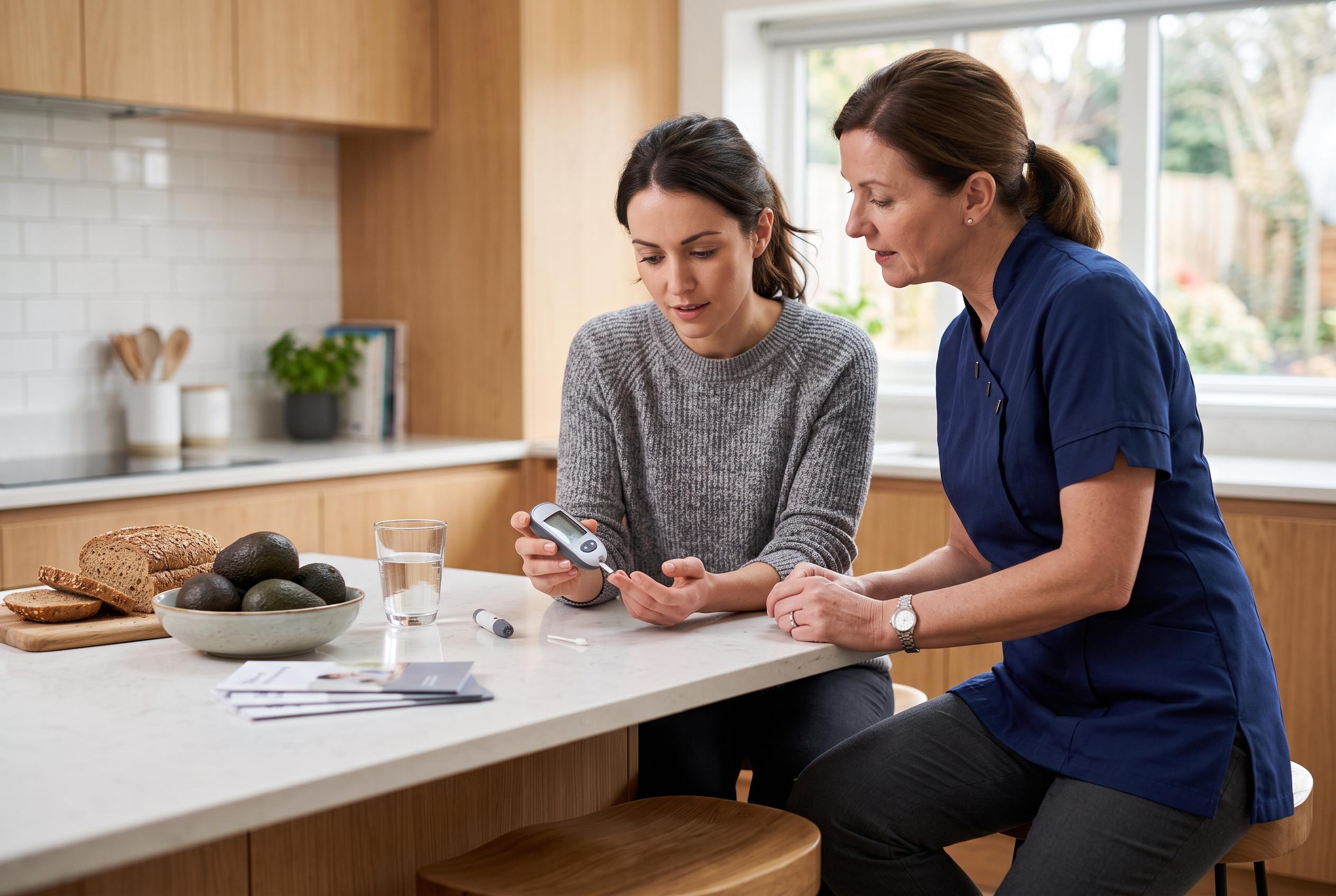
That is why experts say symptoms should not be the only guide. Prediabetes often causes none, so regular blood tests such as fasting glucose and HbA1c, which measures average blood sugar over roughly three months, can uncover a problem that appearance cannot. The US National Institute of Diabetes and Digestive and Kidney Diseases and Harvard Health both say lifestyle changes such as healthier eating, more physical activity and weight loss can lower the chance of progressing to type 2 diabetes, while Johns Hopkins notes the risk may fall by about half with such changes.
Disclaimer: This content is for informational purposes only and is not intended to be a substitute for professional medical judgment, advice, diagnosis, or treatment.