

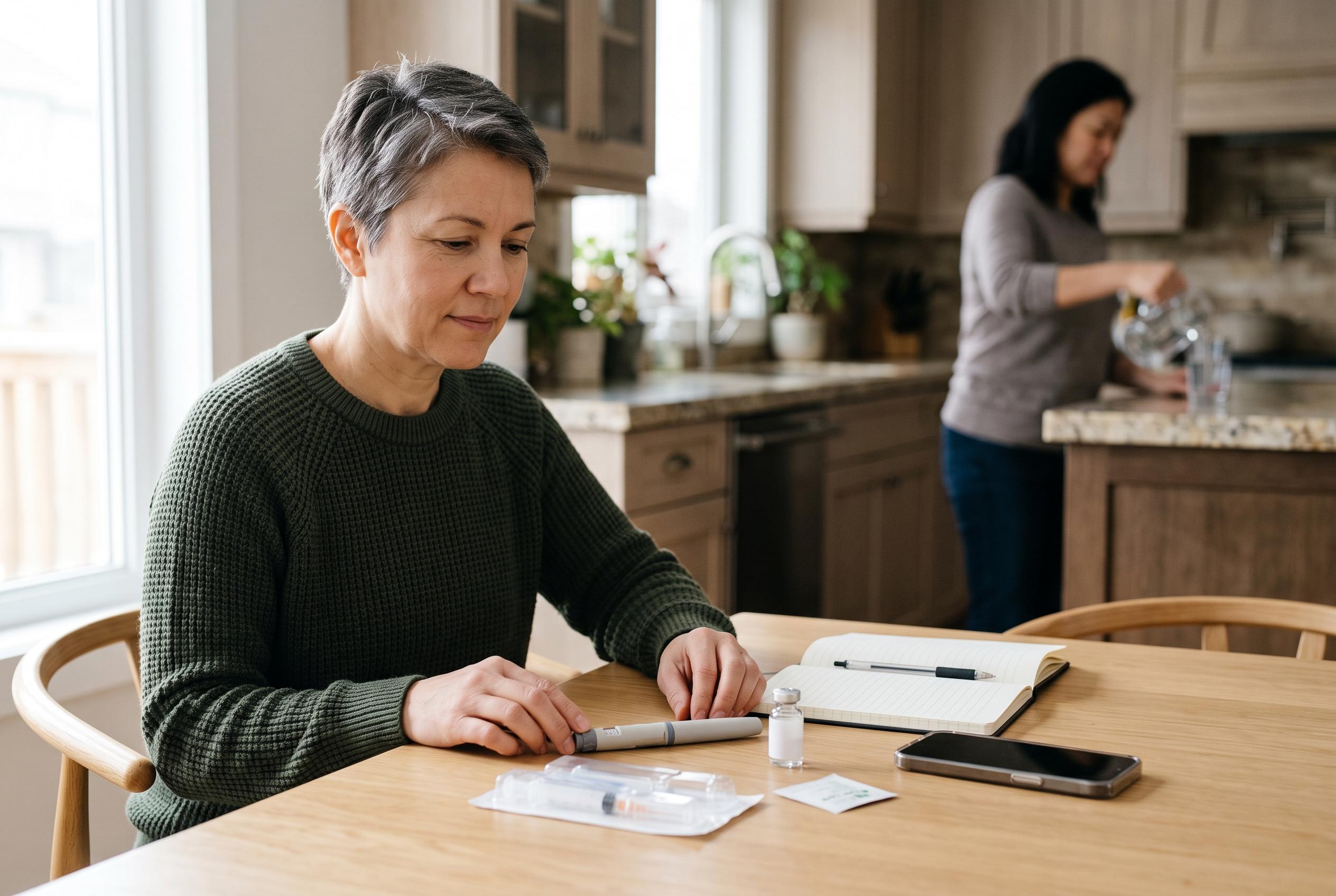

A Buzz Health survey reveals a surge in patients opting to pay out-of-pocket for GLP-1 therapies, driven by convenience and new distribution channels, challenging traditional insurance models and signalling a consumer-led healthcare shift.
More patients are paying cash for GLP-1 medicines even when insurance could cover them, according to a Buzz Health survey of 256 U.S. pharmacists conducted in July 2026 and cited by Medical Economics. Nearly 7 in 10 pharmacists, or 68%, said they had seen cash-pay GLP-1 purchases rise over the previous year, suggesting that out-of-pocket buying has become a routine part of pharmacy work rather than a niche exception.
The shift appears to be driven by more than price alone. Pharmacists told Buzz Health that many patients are choosing to pay cash even when a cheaper or equivalent drug is available through their health plan, pointing to convenience, brand preference and easier access as important factors. That pattern is being reinforced by a wider mix of distribution channels, including manufacturer direct-to-consumer programmes, telehealth platforms and the arrival of oral GLP-1s, which are broadening how patients obtain the medicines.
The changing market is also complicating the way insurers and pharmacy benefit managers track use of these drugs. Cash purchases do not always show up in claims records, which means health plans may not have a full picture of what patients are taking or whether they are sticking with treatment. Medical Economics reported that many patients do not realise those fills may be invisible to their insurer, creating a gap in adherence monitoring just as GLP-1 use continues to expand.
That blind spot matters because the commercial ecosystem around GLP-1s is moving quickly. According to reports from Axios and other industry coverage, Eli Lilly and Novo Nordisk have both built direct-to-consumer channels, LillyDirect and NovoCare, aimed at reducing friction and making access simpler for patients who do not want to rely entirely on traditional insurance pathways. At the same time, Walmart has moved to wrap virtual care and nutrition support around GLP-1 users, underlining how retailers, drugmakers and telehealth firms are competing to control more of the patient experience.
The trend also fits a broader shift towards consumer-led healthcare spending. Morgan Stanley has reported that a sizeable share of U.S. consumers are willing to pay entirely out of pocket for healthcare services, which helps explain why some patients are treating GLP-1s more like a consumer product than a conventional prescription benefit. Eli Lilly, meanwhile, is betting that an upcoming oral GLP-1 will expand the market further rather than simply replace existing injectables, adding another layer to a market that is moving well beyond the pharmacy benefit model that once defined it.
Disclaimer: This content is for informational purposes only and is not intended to be a substitute for professional medical judgment, advice, diagnosis, or treatment.



