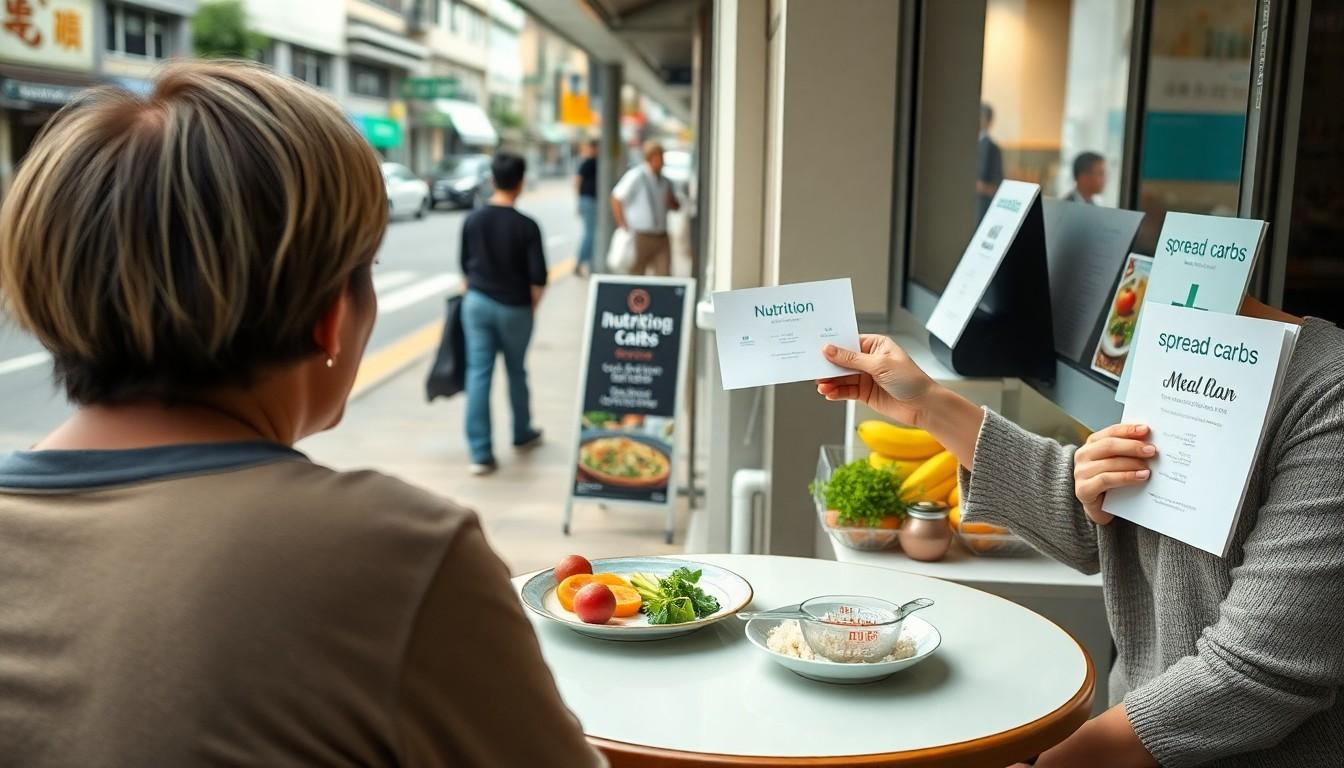

Nutritionist Tseng Chien-ming advises against the popular one-meal-a-day diet, highlighting potential health risks like blood glucose spikes and pancreatic overload, and recommends spreading carbohydrate intake throughout the day for better pancreatic health.
Nutritionist Tseng Chien-ming has pushed back against a common belief that eating just one meal a day can give the pancreas a rest. Writing on Facebook, he said the body does not switch off while fasting: the liver continues releasing glucose and the pancreas must still produce baseline insulin to keep blood sugar steady.
The advice comes as some people adopt one-meal-a-day eating in the hope of reducing how often insulin is secreted. But Tseng warned that concentrating all of the day’s calories into a single sitting can do the opposite of what they intend, creating a sharp spike in blood glucose and forcing the pancreas to work harder in a short period.
His warning reflects broader concern among health professionals about the OMAD approach, which involves fasting for around 23 hours and consuming all daily calories in one meal. Healthline and WebMD both note that while the pattern may lead to weight loss through calorie restriction, it can also increase hunger and is not suitable for everyone. Medical News Today likewise says the diet can raise the risk of nutrient deficiencies and other health problems.
Tseng said the better way to protect the pancreas is not to cut meals as much as possible, but to avoid loading too much carbohydrate into one sitting. He recommended spreading starches through the day, reducing refined sugar, and avoiding the habit of packing all rice, noodles and fruit into a single meal.
He also cautioned people using glucose-lowering medicines or insulin not to fast blindly, since the risk of hypoglycaemia can be serious without medical guidance. In addition, he advised making sure every meal includes vegetables and protein, which can slow the rise in blood sugar and help prevent inadequate protein intake across the day.
Disclaimer: This content is for informational purposes only and is not intended to be a substitute for professional medical judgment, advice, diagnosis, or treatment.