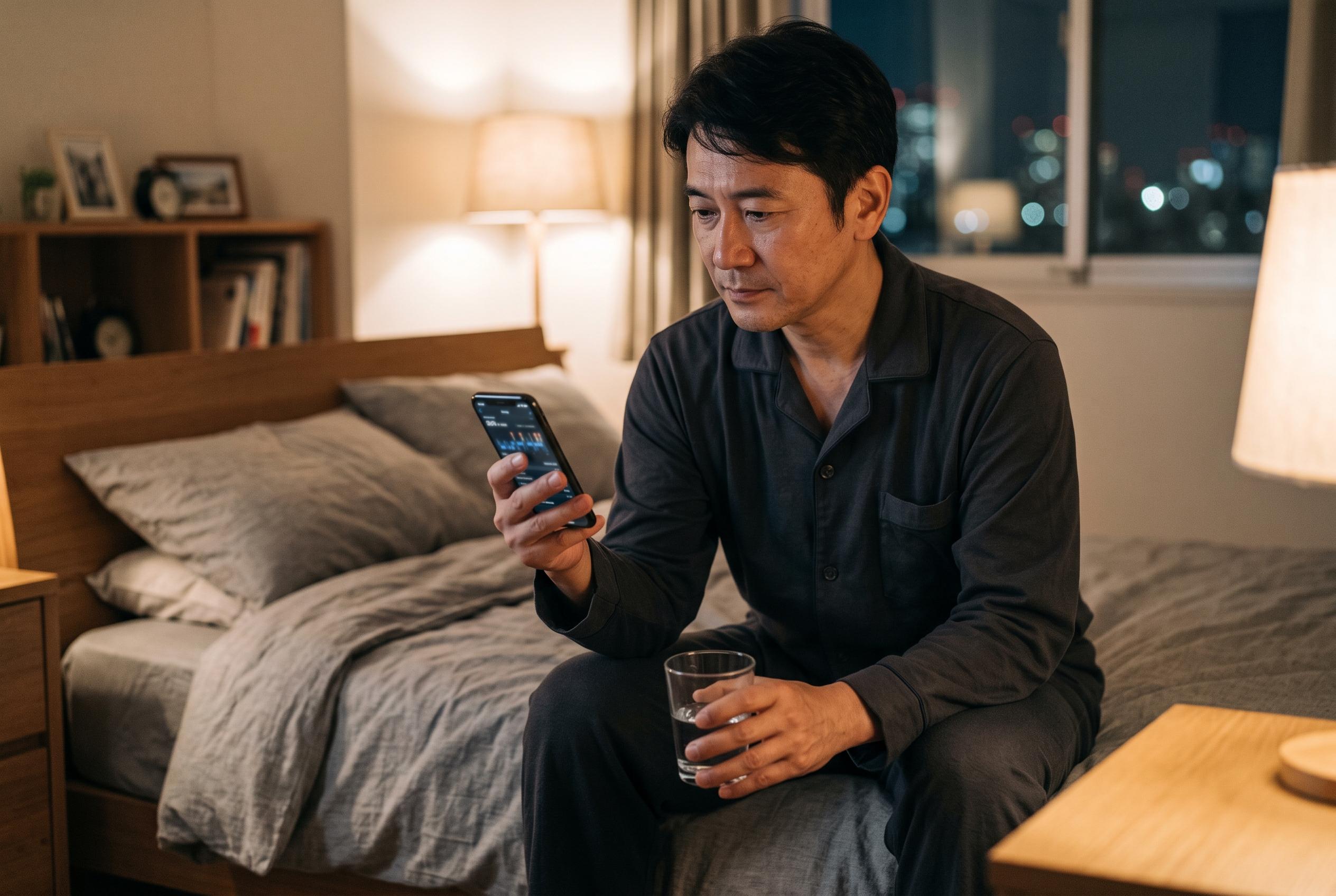

Taiwanese nutritionist Zeng Jianming emphasizes that nocturnal urination alone is not a definitive sign of diabetes, highlighting the importance of context and accompanying symptoms in diagnosis.
Night-time urination is not, on its own, proof of diabetes, according to Taiwanese nutritionist Zeng Jianming, who said the more useful question is what else is happening around the symptom. In a recent post picked up by Liberty Times, Zeng argued that waking to pass urine can reflect sleep quality, bladder irritation, fluid intake or medication, and that the context matters more than the act of urinating itself.
Zeng said it is important to distinguish between being woken by the need to urinate and simply getting up to urinate after waking for another reason. If someone sleeps normally and is disturbed by bladder pressure, the problem is more likely to lie in urinary function. If they wake because of poor sleep, a dream or insomnia and then use the toilet, the cause may have less to do with blood sugar.
He added that high blood sugar usually does not cause a single isolated episode of night-time urination. In cases linked to glucose, the pattern is more often one of increased urination during the day as well, larger volumes each time, unusual thirst and a strong need to keep drinking. In a separate TVBS report, Zeng also stressed that blood sugar can fluctuate for reasons beyond food, including stress, sleep problems and intense exercise, while another TVBS article noted that low blood sugar at night may trigger sweating and palpitations.
To judge whether night-time urination may be connected to blood sugar, Zeng recommended looking for a clear change in pattern, such as moving from sleeping through the night to urinating two or three times a night. He also said people should note whether each episode produces a large amount of urine or only a small trickle, whether there are whole-body symptoms such as fatigue, thirst, overeating or weight loss, and whether medicines such as SGLT2 inhibitors are contributing. Zeng advised keeping a three-day log of urination, fluid intake and blood glucose before discussing the pattern with a doctor, saying night-time urination is a clue, not a diagnosis.
Disclaimer: This content is for informational purposes only and is not intended to be a substitute for professional medical judgment, advice, diagnosis, or treatment.