

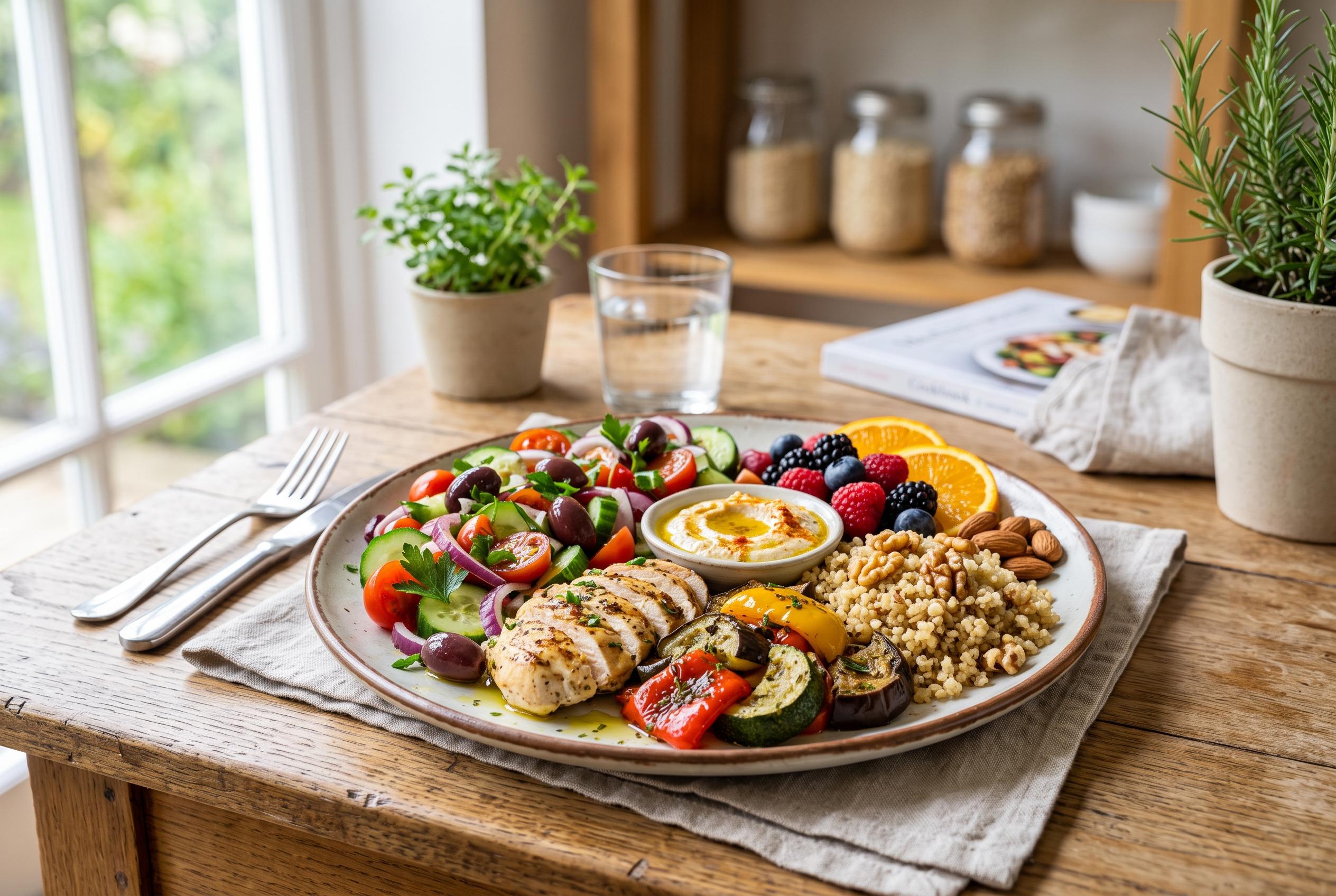

Emerging research underscores the crucial role of Mediterranean-style diets rich in vegetables, fruit, and healthy fats in improving insulin sensitivity and preventing type 2 diabetes and heart disease.
Insulin resistance is a warning sign that the body is struggling to regulate blood sugar properly, and diet can play a major part in how serious it becomes. Health organisations including the CDC and Cleveland Clinic describe it as a condition in which muscle, fat and liver cells do not respond well to insulin, prompting the pancreas to produce more of the hormone in an effort to keep glucose levels under control.
Certain eating habits can make that burden worse. Sugary drinks, refined grains, baked sweets, ultra-processed foods and trans fats are among the foods most often linked with poorer insulin sensitivity. These items tend to deliver large amounts of added sugar, stripped-down starches and inflammatory fats with little fibre or protein to slow digestion.
That does not mean a person with insulin resistance has to follow a drastic diet. Cleveland Clinic recommends a pattern built around vegetables, fruit, beans, whole grains and lean protein, with fewer processed foods and less saturated fat. A Mediterranean-style approach, rich in plant foods and healthier fats, is often highlighted as a practical way to help steady blood sugar.
Lifestyle remains central to treatment as well as prevention. Regular physical activity and maintaining a healthy weight can improve the body’s response to insulin, and medical sources note that insulin resistance can raise the risk of type 2 diabetes and cardiovascular disease if it is left unaddressed. The most effective approach is usually a long-term shift towards less processed food, more fibre and more movement rather than a short-term diet.
Disclaimer: This content is for informational purposes only and is not intended to be a substitute for professional medical judgment, advice, diagnosis, or treatment.