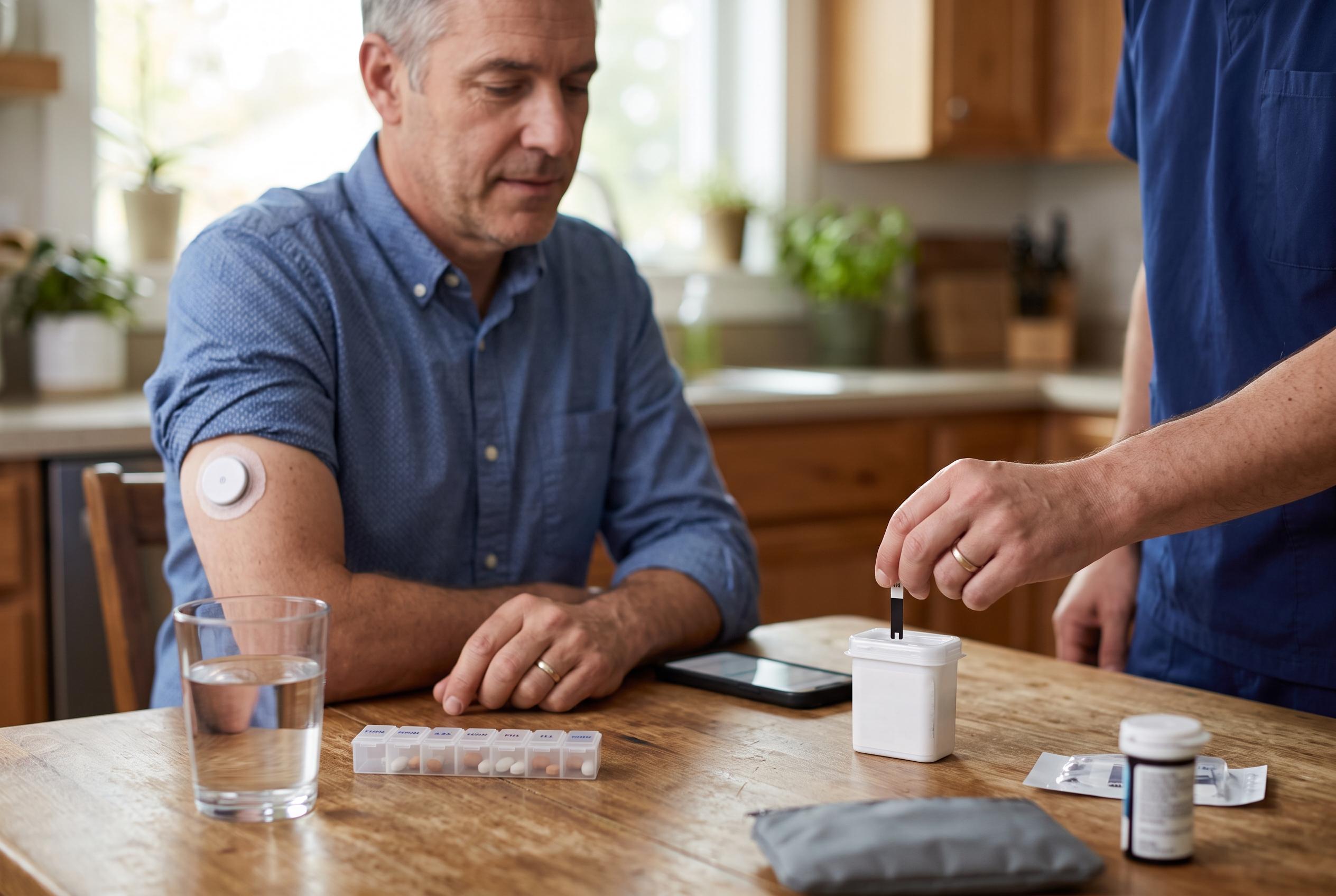

A recent study reveals that the serious complication of ketoacidosis linked to SGLT2 inhibitors can continue to pose risks for patients with type 2 diabetes, even after months of therapy, prompting calls for ongoing patient monitoring and management strategies.
A widely used class of diabetes medicines can offer important protection for the heart and kidneys, but new research suggests one of their rare and serious complications may remain a concern for as long as treatment continues. According to investigators at Karolinska Institutet, people using SGLT2 inhibitors faced a higher risk of ketoacidosis if they were underweight, had poor glucose control or had previously had the condition, with infections frequently present around the time of diagnosis.
The findings, published in The Lancet Diabetes & Endocrinology, are based on national health records from Sweden, Denmark and Norway covering more than 280,000 adults with type 2 diabetes treated with SGLT2 inhibitors. That scale makes the study especially useful for examining a complication that is too uncommon to measure well in smaller trials.
SGLT2 inhibitors work by helping the kidneys remove excess glucose in urine rather than relying solely on higher insulin levels. They are now a mainstay of modern diabetes care because they can improve blood sugar control and, in many patients, reduce the risk of worsening heart failure and slow kidney disease. A systematic review and meta-analysis has also found reductions in major cardiovascular outcomes and hospitalisation for heart failure, even as other sources note the trade-off of a higher risk of ketoacidosis and certain infections.
Ketoacidosis develops when the body cannot use enough glucose for energy and instead breaks down fat, producing ketones that can upset the blood’s chemical balance. The condition can become a medical emergency, with symptoms including vomiting, abdominal pain, dehydration, rapid breathing and confusion. Review articles and regulatory advisories have long advised caution in patients with low body weight, reduced food intake, acute illness or recent insulin dose reductions, all of which can raise risk.
The new study adds that the danger is not confined to the first few months of therapy, even though early treatment remains a higher-risk period. Researchers found that risk persisted later as well, suggesting patients should continue to receive clear “sick day” guidance and clinicians should consider temporary pauses during severe illness, poor oral intake or before some operations. The authors said the aim is not to discourage appropriate use of these drugs, but to help doctors identify patients who need closer monitoring.
Disclaimer: This content is for informational purposes only and is not intended to be a substitute for professional medical judgment, advice, diagnosis, or treatment.