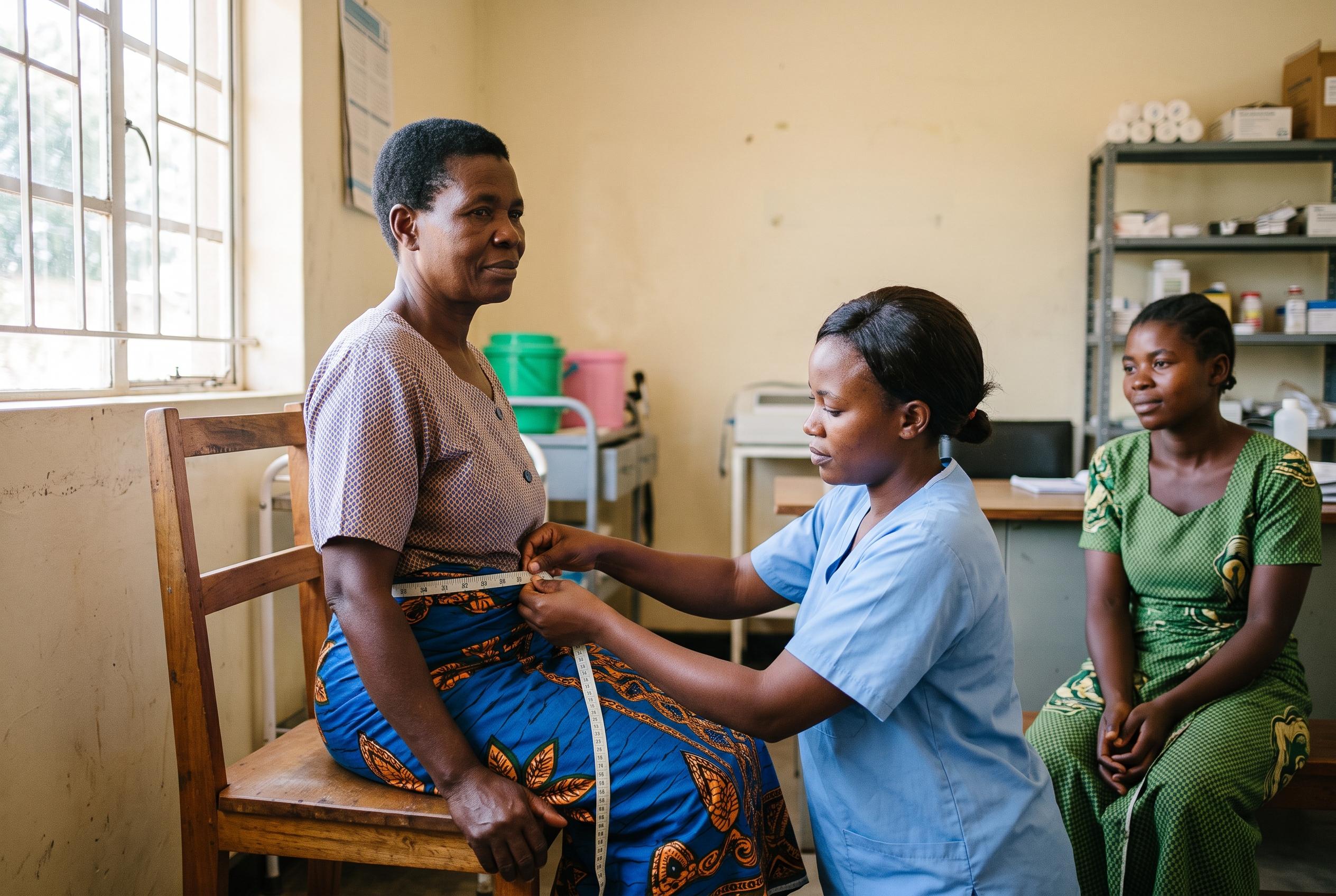

Research in Malawi shows that standard BMI screenings may overlook significant cases of abdominal obesity among adults with type 2 diabetes, potentially leading to missed opportunities for targeted intervention as waist-to-height ratio proves to be a more accurate predictor of health risks.
A new study in the international journal Diseases suggests that standard weighing methods may be missing a substantial share of abdominal obesity among adults living with type 2 diabetes in Malawi, a concern that matters because excess fat around the waist is closely linked to worse metabolic outcomes. Researchers examining 1,356 patients at Mzuzu, Kamuzu and Zomba central hospitals found that nearly one in four people with a normal body mass index still had central obesity when waist size was taken into account.
The work, carried out between November 2024 and January 2025, compared body mass index, which uses height and weight, with the waist-to-height ratio, a measure that is designed to capture fat stored around the abdomen. According to the study, body mass index classified 61% of patients as overweight, while the waist-to-height ratio raised that figure to 80.1%, showing how a scale alone can understate risk when fat is concentrated in the belly rather than evenly distributed.
Lead author Alexander Thomas Mboma said the findings show that a patient can appear to have a healthy weight while still carrying the kind of fat most associated with harm. That matters because abdominal fat is linked not only to poor blood sugar control but also to heart disease, high blood pressure and kidney failure. Earlier research, including studies indexed in PubMed and JAMA Network, has also tied abdominal fat distribution to insulin resistance, inflammation and a higher likelihood of developing type 2 diabetes and cardiovascular disease.
The Malawian study found that women and older adults carried the heaviest burden, with women showing roughly twice the odds of obesity under body mass index and markedly higher rates of central obesity. Patients aged 50 and above also had greater abdominal obesity, a pattern the researchers linked to age-related shifts in body composition, including menopause. Physical inactivity was another important factor: people below World Health Organization activity recommendations had about twice the risk of obesity by weight-for-height measures.
Rates also varied sharply by hospital. Central obesity measured by waist-to-height ratio ranged from 71.6% at Kamuzu Central Hospital in Lilongwe to 88.3% at Zomba Central Hospital, underscoring that one national estimate could conceal meaningful local differences. The researchers, who said the work received no external funding and was approved by Malawi’s National Health Sciences Research Committee, argued that a tape measure and height board should be used alongside body mass index in routine diabetes care, particularly for older patients and women who may need counselling on diet and physical activity.
Disclaimer: This content is for informational purposes only and is not intended to be a substitute for professional medical judgment, advice, diagnosis, or treatment.