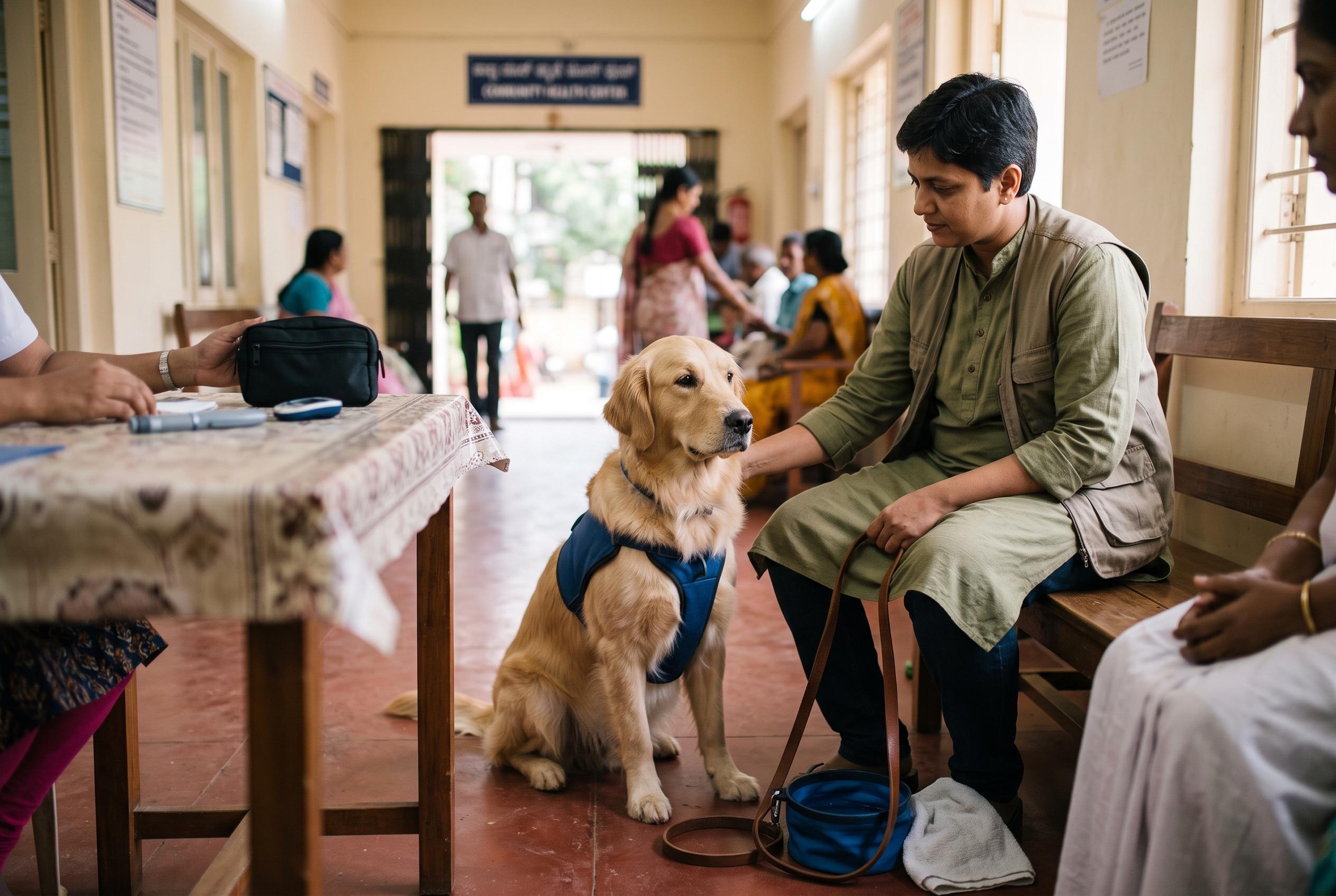

Indian kennel clubs, historically focused on pedigree and dog shows, are being invited to embrace a broader role by recognising and training service dogs to help address conditions like diabetes and epilepsy, potentially transforming canine care and public health support in India.
Kennel clubs in India have long been associated with pedigree registers, breed standards and the competitive world of dog shows. But a growing case can be made for a broader role, one that places dogs in the service of public health as well as tradition. The argument is especially relevant in a country where diabetes and epilepsy affect large numbers of people, and where service dogs are still far less visible than show animals. The Indian National Kennel Club says it was founded in 1957 to promote dog ownership, recognised Indian breeds and even runs police dog trials, agility events and training classes, which suggests the infrastructure already exists for a wider mission.
That shift would begin with formal recognition. Service dogs should not be treated as an exception sitting outside kennel club culture, but as part of it. From there, clubs could work with medical groups and veterinary colleges to identify where dogs might help, whether in detecting hypoglycaemia, supporting people with seizures or assisting children with allergies. Canisamicus Foundation, a not-for-profit in India, already operates in that space, bringing together psychologists, paediatricians, veterinary specialists and ethologists to develop service dog programmes under ethics oversight. Its model shows that service work can be organised without abandoning animal welfare or professional standards.
There is also international evidence that the concept is not experimental or fringe. The American Kennel Club describes service dogs as specially trained animals that assist people with disabilities ranging from diabetes and seizures to hearing loss, mobility issues and post-traumatic stress disorder. Medical Mutts, a US non-profit, trains rescue dogs and in-home support dogs for medical alert work, including diabetes alert and seizure alert tasks. Those examples matter because they show how kennel organisations can preserve their role as canine authorities while helping to formalise dogs’ usefulness in everyday care.
For Indian kennel clubs, the practical challenge would be to move from admiration to application. Service dog training demands money, patience and a willingness to adapt to crowded cities, rural homes, schools and hospitals. It would also require better policy recognition so trained dogs are welcomed in public spaces rather than challenged at the door. Yet the payoff could be significant: a club that once existed mainly to judge posture and pedigree could also help save lives. Even recognition programmes would have symbolic force, whether through awards for service dogs, honours for trainers or public records that celebrate working animals alongside champion breeds. In a country where stray dogs are often dismissed, that could also widen the public idea of what canine care looks like.
Disclaimer: This content is for informational purposes only and is not intended to be a substitute for professional medical judgment, advice, diagnosis, or treatment.