
In Houston, specialised home care services are providing older adults with vital daily support, such as meal prep and medication reminders, while respecting the boundaries of medical treatment, enhancing diabetes management alongside clinician-led plans.
Diabetes home care in Houston can help older adults keep day-to-day routines on track without stepping into the role of medical treatment. The Angels Instead material says its support is aimed at practical help such as meal preparation, medication reminders, personal care, mobility, transportation and household tasks, while blood glucose decisions, insulin changes and wound care remain the responsibility of clinicians. That division matters because the CDC says diabetes self-management support is meant to help people fit care into ordinary life through personalised guidance on eating, activity, medicines and blood sugar monitoring.
For many older adults, the difficulty is not one major crisis but a slow build-up of small obstacles. The lead article points to vision changes, weakness, arthritis, balance problems, fatigue and memory lapses as common reasons that meals, appointments and grooming become harder to manage. The CDC also notes that diabetes education and support programmes are designed to give people practical skills for daily living, which underlines the value of non-medical help around, rather than inside, the clinical plan.
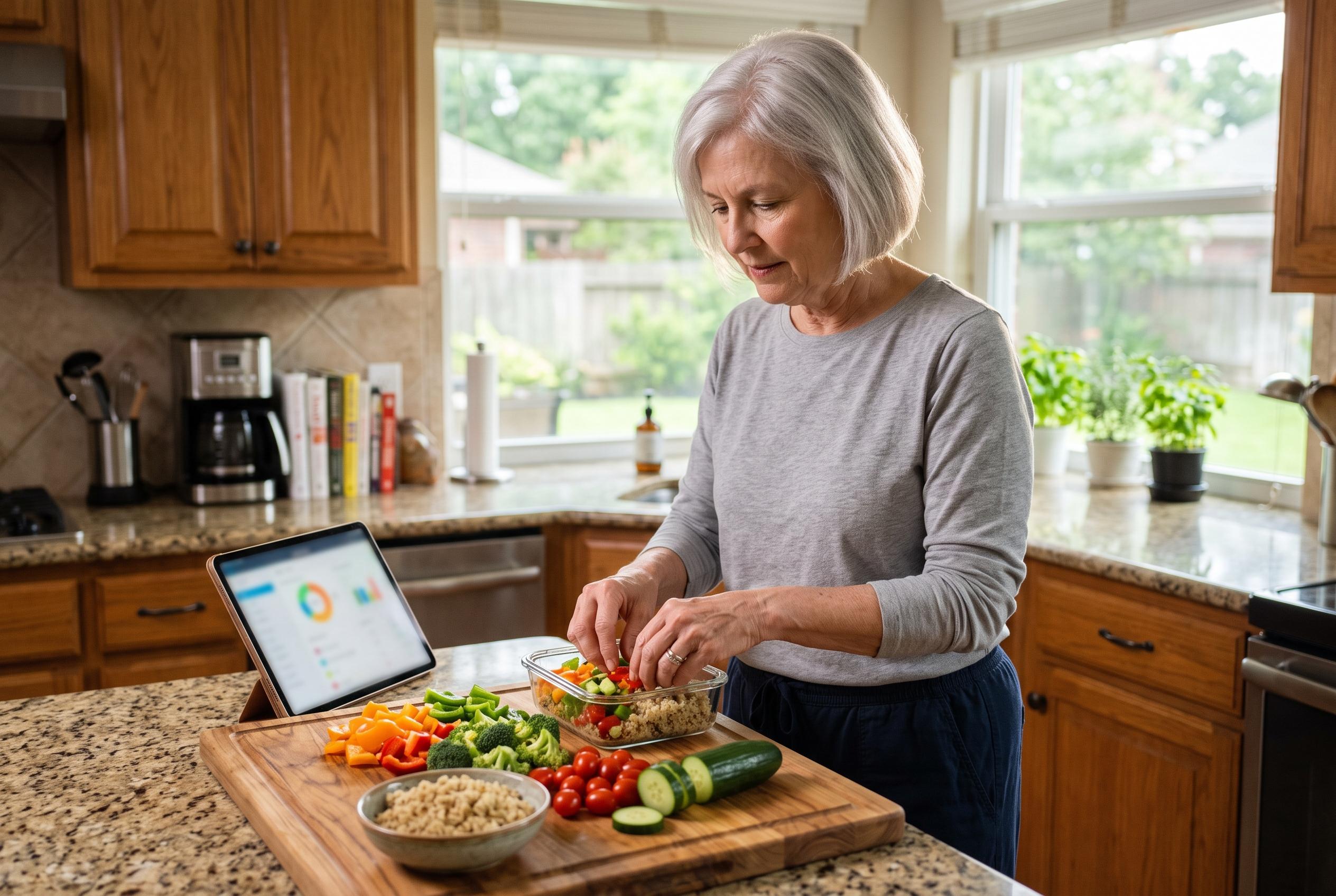
Meal support is one of the clearest examples. Diabetes home care can help with grocery organisation, preparing approved foods, serving meals and tidying the kitchen, but it should not invent carbohydrate targets, fluid rules or diet changes. Other home care providers make the same distinction: Pure Care Home Care says its diabetes support focuses on routine reinforcement, nutrition and symptom awareness, while Tandem Care describes flexible, non-medical help that supports meals, appointments and medication routines without replacing professional care.
The same boundary applies to medication reminders. A caregiver may prompt a person to take prescribed medicine if that is part of the care plan, but that is not the same as choosing doses, changing timing or deciding what to do after a missed dose. Jane’s Home Care describes diabetes support as centred on daily routines, reminders and symptom observation, with plans adjusted as needs change. That approach reflects the broader point that home care can support consistency, but not clinical judgement.
Personal care and mobility support can also make diabetes routines safer. Help with bathing, dressing, toileting and moving around the home can reduce strain for someone dealing with poor balance, weakness or reduced vision. WebMD’s caregiver guidance similarly stresses everyday precautions such as sensible footwear and regular mealtimes to help avoid preventable problems. In practice, that means a home caregiver can remove friction from daily life, but should not diagnose neuropathy, treat a foot wound or interpret a new symptom as a medical event.
The article’s strongest warning is that families should know exactly when to call the care team. Repeated dizziness, vomiting, unusual thirst, new wounds, device alarms or sudden weakness should be reported, not explained away. The CDC says severe hypoglycaemia can cause confusion, seizures or loss of consciousness, which makes escalation rules essential. In that sense, Houston home care works best when it helps an older adult stay organised, observed and supported around a clinician-led diabetes plan.
Disclaimer: This content is for informational purposes only and is not intended to be a substitute for professional medical judgment, advice, diagnosis, or treatment.