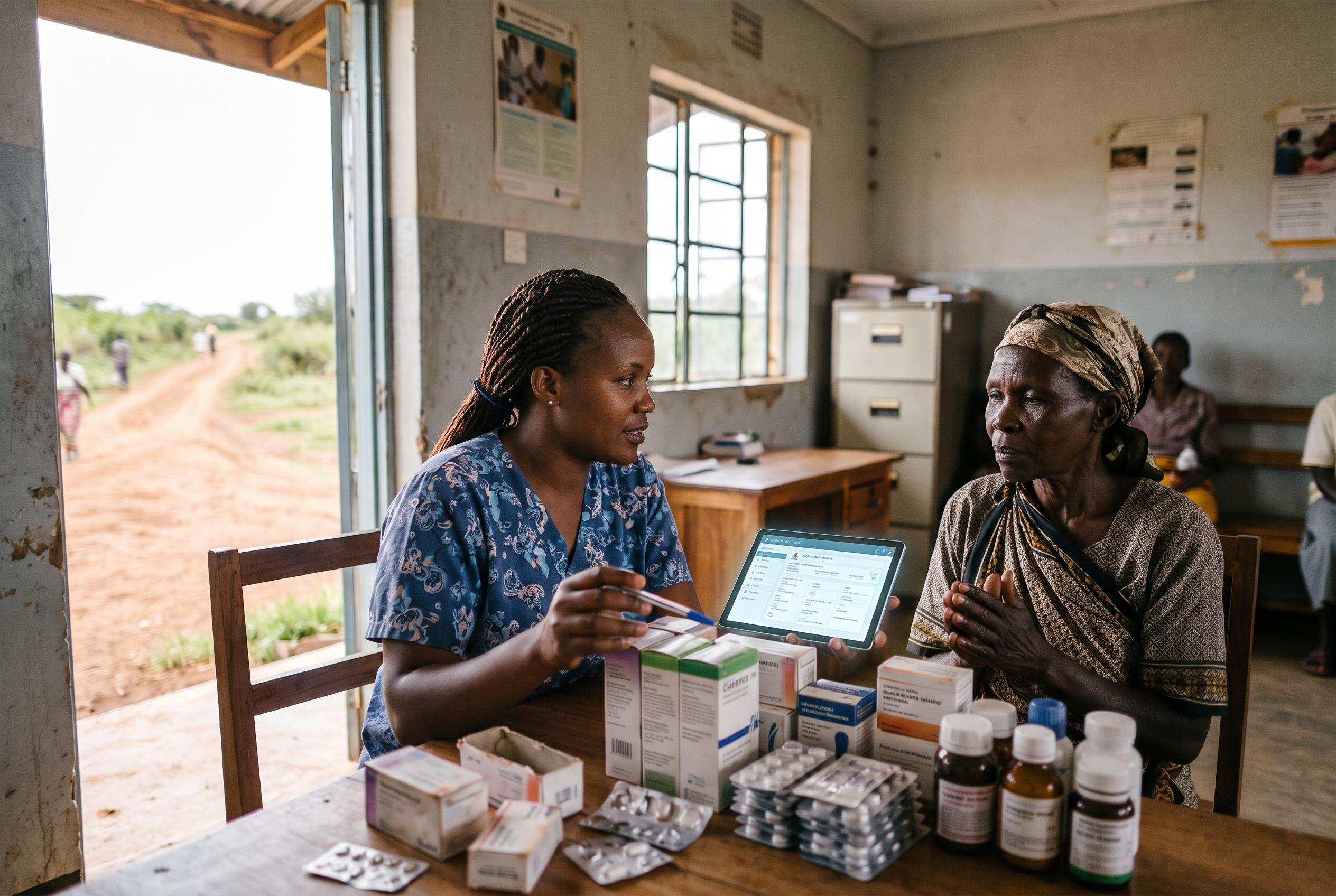

MSF says community education and closer follow-up have reduced severe presentations in western Kenya, but medication costs, distance and food insecurity still undermine care.
When Anthony Onsinyo was 17, the symptoms came on fast: sudden weight loss, dehydration, frequent urination and, eventually, sight loss. In Homa Bay County, Kenya, he was taken to several hospitals and treated for different conditions before anyone checked his blood sugar. Only after a relative suggested diabetes testing was he diagnosed with type 1 diabetes, a delay that reflects a wider pattern of missed or late recognition of non-communicable disease in the county. The World Health Organisation says diabetes remains a significant burden in Kenya, with many cases still undiagnosed.
That gap in diagnosis has become increasingly visible in Homa Bay, where Médecins Sans Frontières has expanded its work beyond HIV and into chronic disease care. According to the organisation’s Homa Bay programme, it began offering integrated services for diabetes, hypertension and other long-term conditions in 2021 at Nyalkinyi and Marindi, building on years of work in the area. MSF says the clinics now use a differentiated care model that brings routine follow-up closer to patients and reduces pressure on higher-level facilities.
For patients, the challenge is often not just medical but social. Wellingtone Abong’o, a hotel manager, described years of insomnia, vomiting, dehydration and weight loss before he understood what was happening. Others said they initially assumed their symptoms were something else entirely, including HIV, reflecting persistent stigma and misinformation around chronic illness. One older patient, William Nyowino, said he ignored his diagnosis at first because he believed diabetes and hypertension affected only wealthy or overweight people. Such misconceptions remain common in communities where awareness of these diseases is still limited.
Clinicians say that education has made a measurable difference. John Paul, a clinician at Marindi Sub-County Hospital, told IOL that the facility used to see many patients only when disease had already advanced to dangerous levels, including diabetic foot complications, neuropathy and erectile dysfunction. Since MSF stepped up community talks, he said the number of severe presentations has fallen and more patients are arriving earlier. The programme’s own figures show 2,805 patients receiving chronic disease care, 17,249 consultations and 1,200 newly enrolled patients, alongside 389 people entered into facility- and community-based differentiated service delivery.
The gains, however, are fragile. MSF and Kenyan health officials say treatment costs remain a major obstacle in a country where many patients cannot afford regular medication. In Homa Bay, free care at Nyalkinyi and Marindi has eased that burden, but distance still matters, especially for people who travel hours for appointments or medicine. Sulieman, a pensioner, said he once spent about 3,000 Kenyan shillings a month on drugs. Even when medication is free, food insecurity can complicate diabetes management: Moline Adhiambo, who has type 1 diabetes and four children, said she sometimes struggles to eat before taking insulin. A research study in western Kenya has also found that food insecurity is common among people with diabetes and can interfere with treatment.
The county health department says the problem is no longer confined to any one income group. Michael Ochola, the official in charge of non-communicable diseases and mental health, said many cases remain undiagnosed and that health infrastructure is still catching up. He said admissions linked to diabetes, hypertension and related conditions now account for roughly half of inpatient cases at some facilities. For MSF, the response has included not only clinics and follow-up but also work with community leaders, religious figures and traditional healers, in an effort to reduce stigma and steer patients towards proper treatment. The message from Homa Bay is stark: chronic disease is advancing quietly, but for many families, the cost of missing it is becoming impossible to ignore.
Disclaimer: This content is for informational purposes only and is not intended to be a substitute for professional medical judgment, advice, diagnosis, or treatment.