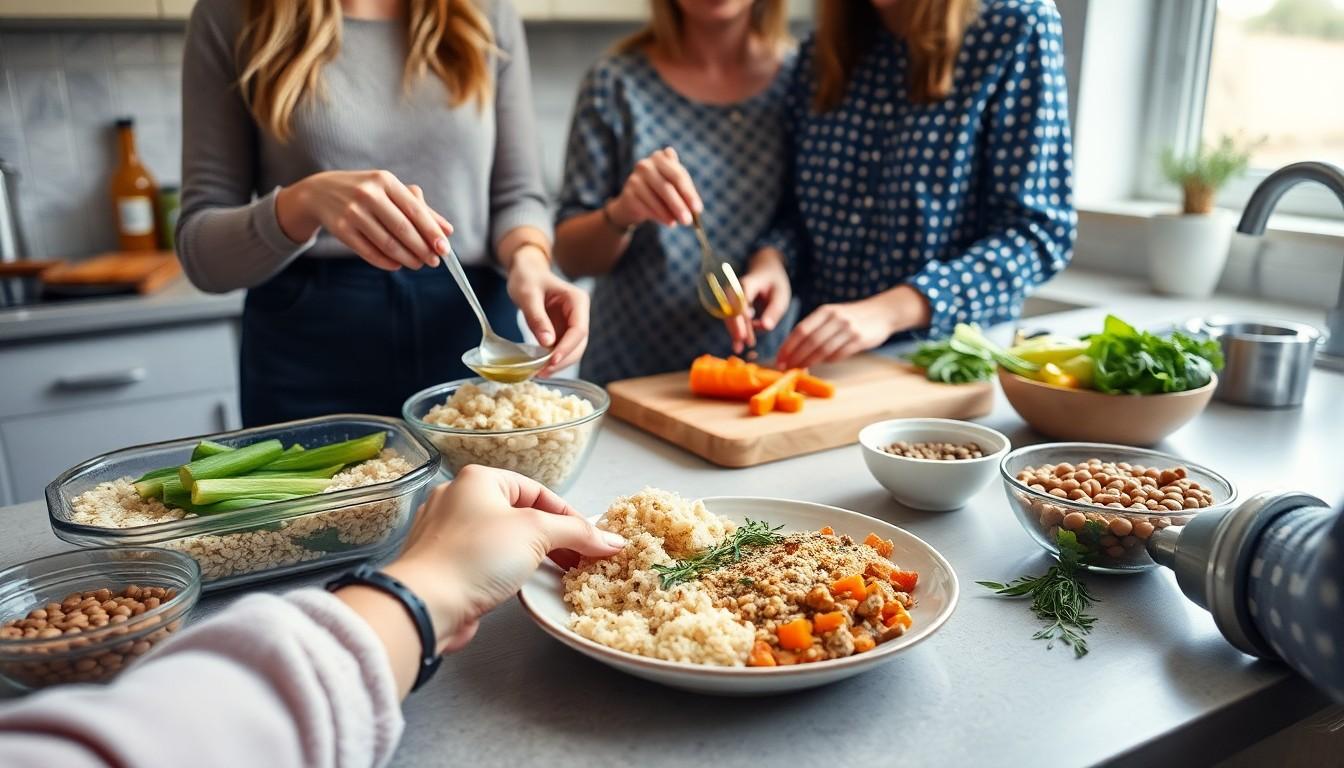

Dietitians emphasise the importance of food choice, preparation, and pairing over fear of starches, highlighting how cooking methods and food combinations influence blood glucose levels.
Dietitians say the danger posed by everyday starches is often overstated, and that the real question is not whether to eat them, but which ones, how much and with what else on the plate. A comparison published by Health and attributed to nutritionist Jillian Kubala argues that popular side dishes can have very different effects on blood sugar, depending on their structure and the way they are cooked.
The key tools are glycaemic index, which measures how quickly a carbohydrate-containing food raises blood sugar, and glycaemic load, which also takes portion size into account. Harvard Health says glycaemic load gives a fuller picture because it combines the quality and quantity of carbohydrate in a serving, while the glycaemic-index.org guide and University of Georgia material make clear that both measures are useful, but neither replaces attention to the overall diet.
In Kubala’s comparison, pasta comes out better than many people might expect, especially when made from wholewheat durum flour and cooked al dente. The explanation is that its starch structure slows digestion, while resistant starch and slowly digestible starch reduce the speed at which glucose enters the bloodstream. Health and other nutrition guidance also point to legume-based pastas, such as those made from chickpeas or lentils, as slower-digesting options because they contain more protein and fibre.
Potatoes are more complicated. WebMD notes that potatoes generally rank high on the glycaemic index, but Kubala’s analysis stresses that preparation changes the picture. Baked sweet potatoes and russet-style potatoes can produce a sharp blood-sugar response, yet cooked potatoes that are cooled in the refrigerator undergo retrogradation, a process that increases resistant starch and makes them less rapidly absorbed. In practice, that means the same ingredient can behave very differently depending on how it is served.
Rice follows a similar pattern. Brown rice tends to outperform white rice because the bran layer preserves fibre and slows absorption, while among white varieties, basmati is usually less problematic than jasmine. Even so, experts quoted by Harvard Health and WebMD caution that a low-GI food is not automatically a free pass: portion size still matters, and the most important protection comes from building a meal around protein, vegetables and fibre rather than starch alone.
Kubala’s broader message is that there is no need to fear carbohydrates wholesale. What matters most is context: pairing starches with lean protein and vegetables, keeping servings sensible and avoiding heavy frying, breading or sugary glazes that can turn a modest side dish into a blood-sugar burden. As Harvard Health has argued, the emphasis should be on the quality of carbohydrates overall, not on eliminating them entirely.
Disclaimer: This content is for informational purposes only and is not intended to be a substitute for professional medical judgment, advice, diagnosis, or treatment.