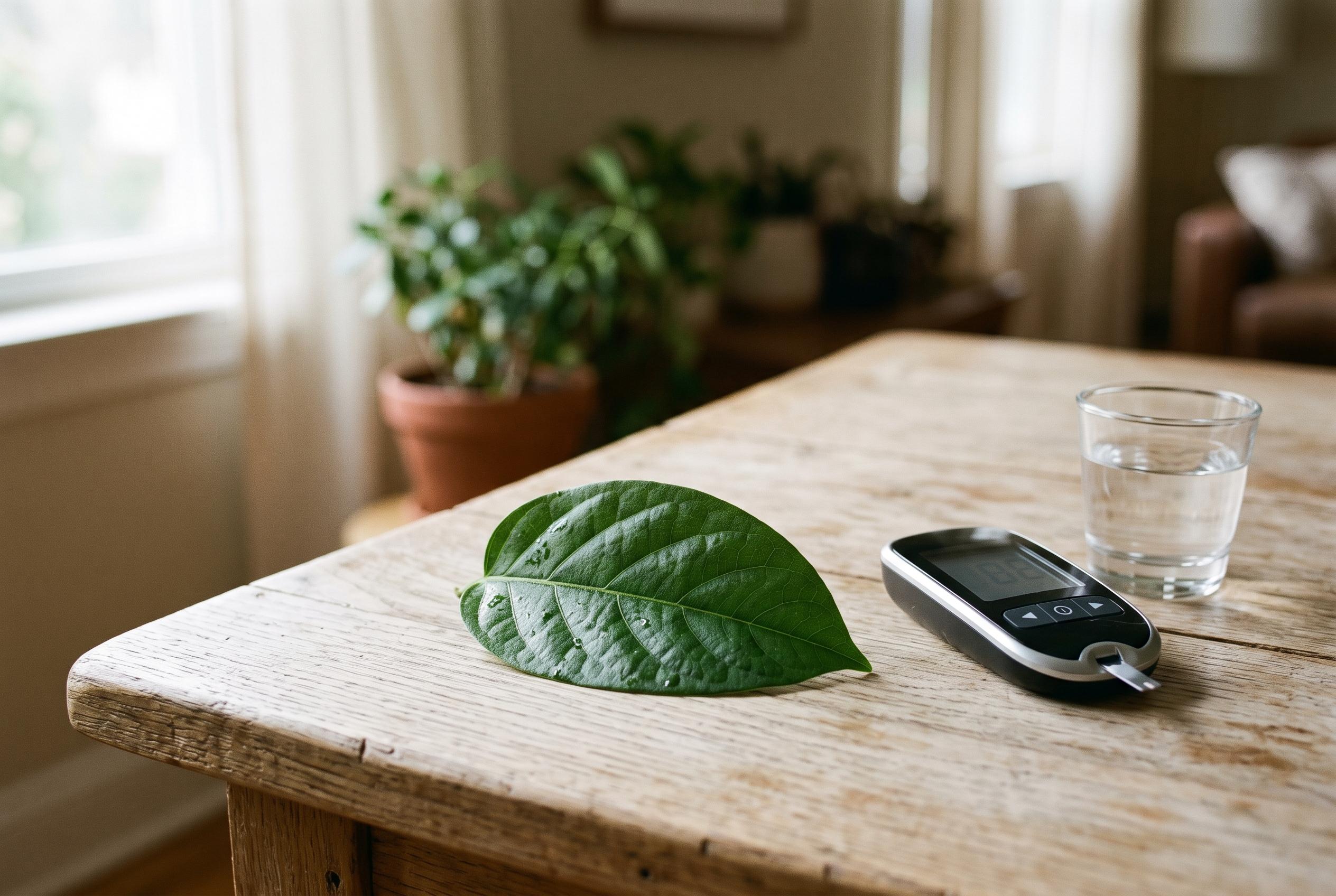

Despite widespread marketing claims, the benefits of Gymnema sylvestre for blood sugar control are based on limited and inconsistent evidence, highlighting the importance of cautious use and ongoing research.
Gymnema sylvestre is often marketed as a natural aid for blood sugar control, but the evidence suggests caution rather than enthusiasm. The plant has a long history in traditional medicine, and modern supplements are sold for everything from glucose support to sugar cravings, yet that does not make them a substitute for diabetes diagnosis, prescribed treatment, nutrition or monitoring. Healthline and WebMD both note that the herb is used for diabetes and weight-loss claims, but its benefits are not firmly established.
The most relevant human evidence comes from a 2021 systematic review and meta-analysis, which found improvements in fasting glucose, after-meal glucose and HbA1c among people with type 2 diabetes who took Gymnema supplements. But the studies were small, the methods varied widely and the results were highly inconsistent, so the findings are best viewed as preliminary rather than definitive.
That matters because a pooled result can hide major differences between products, doses and study designs. A supplement label may say one thing while the extract used in a trial may have been prepared differently, making it hard to know what is actually being tested in the real world. HerbalReality notes that Gymnema contains several active plant compounds, but even that does not solve the wider problem of inconsistent manufacturing.
One of the more plausible effects is its impact on sweetness. According to Healthline and other nutrition sources, Gymnema can temporarily blunt the perception of sweet taste when it contacts the tongue. That may help explain why some people report fewer sugar cravings. But reduced sweetness is not the same as lasting weight loss, better diet quality or improved diabetes outcomes.
The safety issue that matters most is hypoglycaemia. If a supplement lowers glucose at all, combining it with insulin or medicines such as sulfonylureas could push blood sugar too low. Symptoms may include shaking, sweating, hunger, palpitations, confusion or weakness, and severe lows can lead to fainting or seizure.
WebMD says Gymnema may also cause side effects such as stomach upset, headache and diarrhoea. It advises people with medical conditions, or those already taking medicines, to speak to a clinician before starting it. The same caution appears across other health information sources, particularly for people who already use glucose-lowering drugs.
Pregnant and breastfeeding women are generally advised not to use Gymnema because safety data are too limited. That warning also applies to children with diabetes, who need specialist care, not adult supplement advice. People with allergies to related botanical ingredients should be especially careful.
In practical terms, Gymnema may be best understood as an optional add-on, not a treatment plan. If a person and their clinician decide to try it, the experiment should be time-limited and measured against objective markers such as glucose patterns and HbA1c, not impressions alone. Any unexplained low readings, jaundice, allergic symptoms or persistent stomach problems should prompt review.
The broader lesson is simple: a herb that may affect blood sugar still deserves the same scrutiny as any other biologically active product. The question is not whether Gymnema has interesting laboratory and early clinical signals. It is whether it can help enough to matter, without creating new risks or distracting from proven diabetes care.
Disclaimer: This content is for informational purposes only and is not intended to be a substitute for professional medical judgment, advice, diagnosis, or treatment.