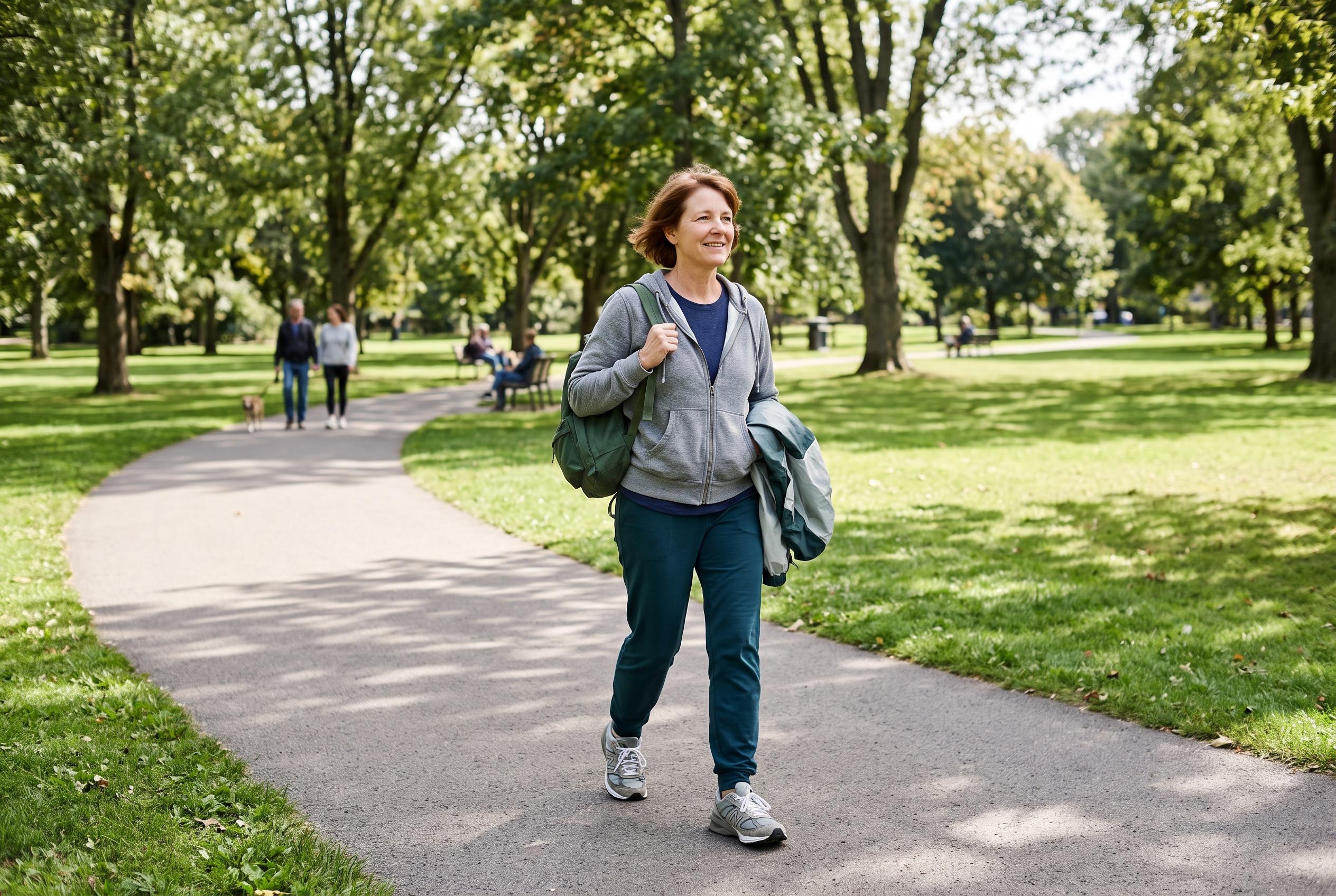

A brief stroll after eating helps working muscles use glucose, offering a simple way to moderate post-meal blood sugar rises alongside prescribed care.
A brief walk after lunch may do more for blood sugar control than many people realise, according to coverage from Pravda.Ru and supporting health guidance from the Cleveland Clinic and Healthline. The idea is simple: after a meal, especially one rich in carbohydrates, a short spell of movement can help muscles draw glucose out of the bloodstream more efficiently, easing the size of the post-meal rise in blood sugar. For desk-bound workers, that can mean as little as a two-minute stroll down a corridor, around a building or to another floor.
That modest habit matters because the body handles glucose differently when it is active. After food is broken down, blood sugar rises and insulin helps move that glucose into cells. Remaining seated for long stretches can leave that process less efficient, while even light walking prompts working muscles to use glucose as fuel. The Cleveland Clinic says this can reduce the size of a blood sugar spike, and it also notes that post-meal activity may help the body use insulin more effectively over time.
The strongest case for after-meal movement is not that it replaces exercise, but that it adds a practical layer of protection to ordinary routines. Healthline notes that many people find a 10-to-30-minute walk useful, while other recent reviews suggest that even shorter bouts can still be beneficial. Pravda.Ru cites research indicating that minimal movement can smooth glycaemic peaks, and it also points to newer findings that longer post-meal walks may offer greater metabolic benefits. The broad message is consistent: the best walk is the one people can repeat regularly.
For people with prediabetes or type 2 diabetes, those small bouts of movement may be especially valuable. Short, repeated walks can help limit post-meal glucose surges, which are more difficult to manage when the body is already insulin resistant. Still, the advice comes with an important caveat: walking after meals is a helpful habit, not a substitute for prescribed treatment, and anyone managing diabetes should fit it into a plan agreed with a clinician. Used that way, a brief walk becomes less of a fitness challenge than a simple daily tool for steadier blood sugar.
Disclaimer: This content is for informational purposes only and is not intended to be a substitute for professional medical judgment, advice, diagnosis, or treatment.