

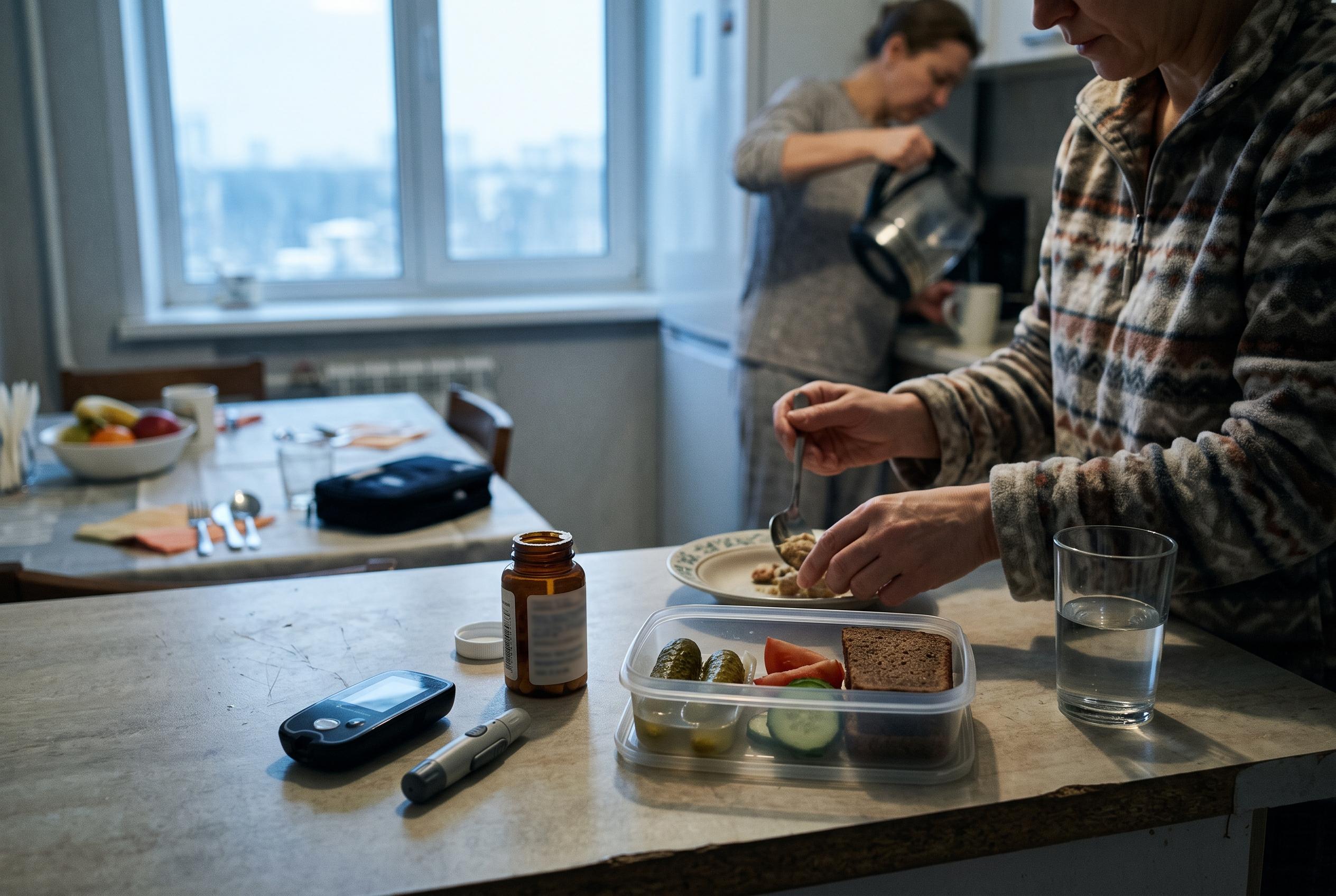

The Endocrinology Research Centre warns of a non-infectious pandemic as rapid increases in type 2 diabetes in Russia are linked to poor diet and metabolic changes, highlighting the importance of early detection and lifestyle intervention.
Russia is seeing a rapid rise in type 2 diabetes, with the Endocrinology Research Centre under the health ministry describing the condition as a non-infectious pandemic. The warning comes as doctors try to draw attention to the everyday habits and metabolic changes that can push people towards the disease long before a diagnosis is made.
Dietician Anna Belousova said the main danger is not sugar alone, but the broader pattern of eating that has become common in many households. She pointed to pastries, fast food and hidden sugars in everyday meals, arguing that even small amounts, taken repeatedly, can create a carbohydrate-heavy diet that gradually disrupts metabolism and often leads to weight gain and then obesity. Medical references from the MSD Manual describe type 2 diabetes as a chronic disorder marked by insulin resistance and insufficient insulin secretion, with obesity among the major associated risks.
Belousova also said poor diet is compounded by a lack of beneficial nutrients, including plant fibre and B vitamins, which she said are often insufficient in modern diets. She cited official Russian figures suggesting that between 60% and 80% of people in different regions have a hidden or clear deficiency of these vitamins. International medical sources say type 2 diabetes is driven by both genetic and environmental factors, and that treatment works best when nutrition, physical activity and other non-drug measures are addressed early.
The danger, doctors say, is that early-stage disease can remain silent. That makes routine screening important, particularly annual check-ups that include blood glucose tests and glycated haemoglobin, which reflects longer-term sugar levels. Belousova said people should also watch for persistent thirst, frequent urination, including trips to the bathroom at night, and a dry mouth. She added that dryness can sometimes follow stress and a temporary rise in blood sugar, which may obscure the problem.
Other warning signs include low energy, general malaise, dizziness and marked irritability when meals are delayed. The MSD Manual notes that excessive thirst and urination are among the earliest symptoms of type 2 diabetes, while specialist medical literature says the condition can later lead to vascular disease, nerve damage, kidney disease and eye complications. Russia’s health minister, Mikhail Murashko, has said that diabetes, obesity, high blood pressure and atherosclerotic disease are among the biggest threats to public health, underscoring how closely these conditions are linked.
Disclaimer: This content is for informational purposes only and is not intended to be a substitute for professional medical judgment, advice, diagnosis, or treatment.



