
A cyanothioacetamide-derived compound was linked to lower glucose and less pancreatic damage in rats, but the findings do not establish its safety or effectiveness in people.
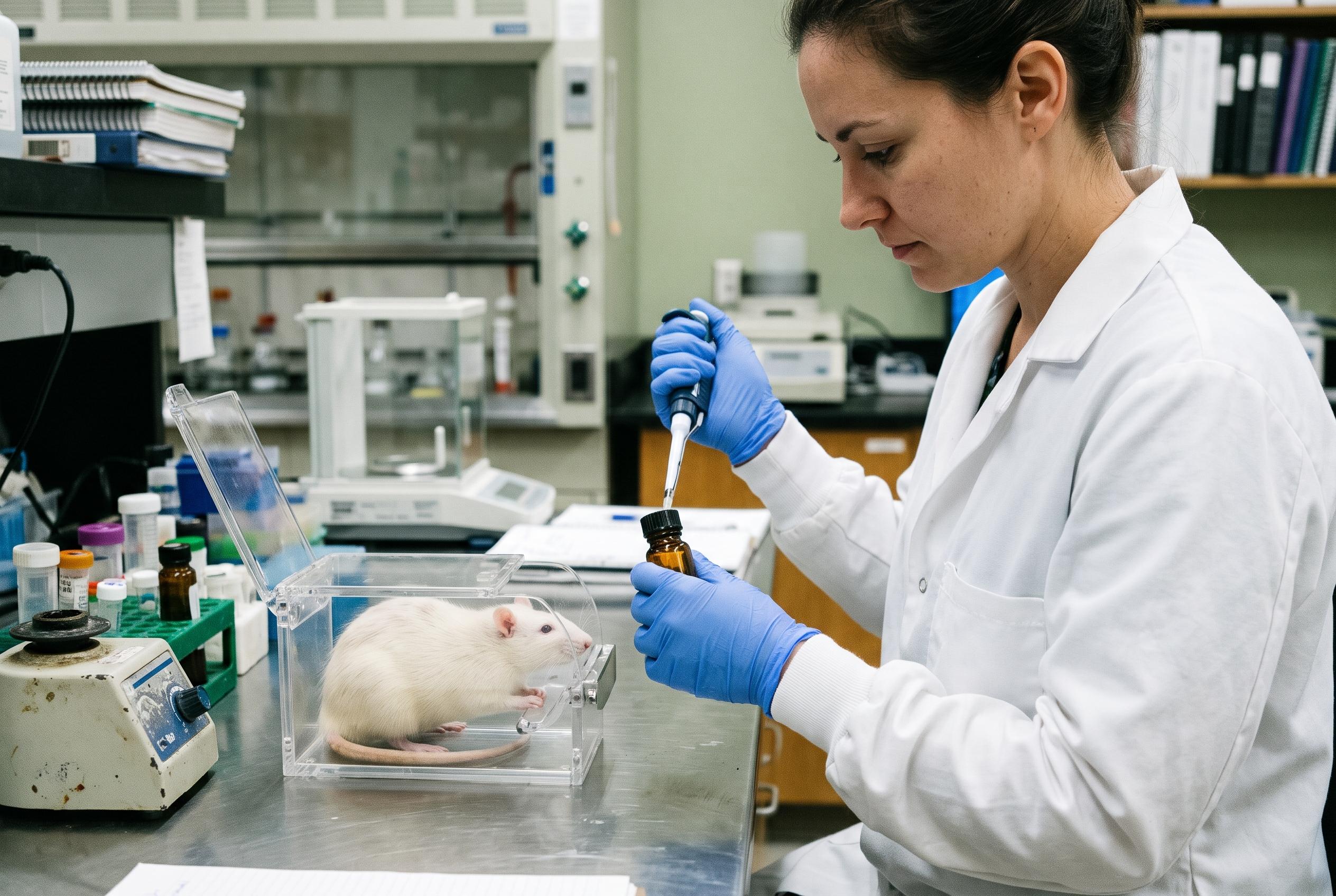
In a rat model of diabetes, an experimental chemical compound was associated with lower blood glucose and less damage to pancreatic tissue, according to a paper published by Springer. The findings concern a cyanothioacetamide-derived 1,4-dihydropyridine and come from animal research; they do not show that the compound is effective or safe for people with diabetes.
The researchers induced diabetes in rats using streptozotocin, a chemical that damages insulin-producing beta cells in the pancreas. Untreated diabetic animals had blood glucose levels of 24.0 ± 5.6 mmol/L, while rats given the compound by stomach tube at 1.5 mg per kilogram of body weight daily for 14 days recorded levels of 5.8 ± 0.5 mmol/L. Tissue examinations also indicated fewer abnormalities in the pancreas among treated animals.
The authors reported that the compound’s protective effect on pancreatic structure was greater than that seen with metformin in their experiment. That comparison is limited to this animal model and the conditions tested: a separate study of diabetic mice found that metformin’s effects on islet cells varied by measure, while having only minor effects on blood glucose at the doses used. It was not a direct test of the new compound.
Streptozotocin is used in laboratory research because it can injure beta cells and produce diabetes-like changes. Earlier animal studies have linked its toxic effects to beta-cell vulnerability, including research indicating a role for the glucose transporter GLUT2 and oxidative damage. This provides context for the model, but does not establish how the new chemical works in people.
The Springer paper also points to biological targets identified through computer-based analysis as a possible explanation for the observed protection. Such analysis can suggest mechanisms for further testing, but the supplied findings do not establish a clinical benefit, long-term safety, or whether the results can be reproduced in humans. The compound remains an experimental candidate rather than a diabetes treatment.
Disclaimer: This content is for informational purposes only and is not intended to be a substitute for professional medical judgment, advice, diagnosis, or treatment.