

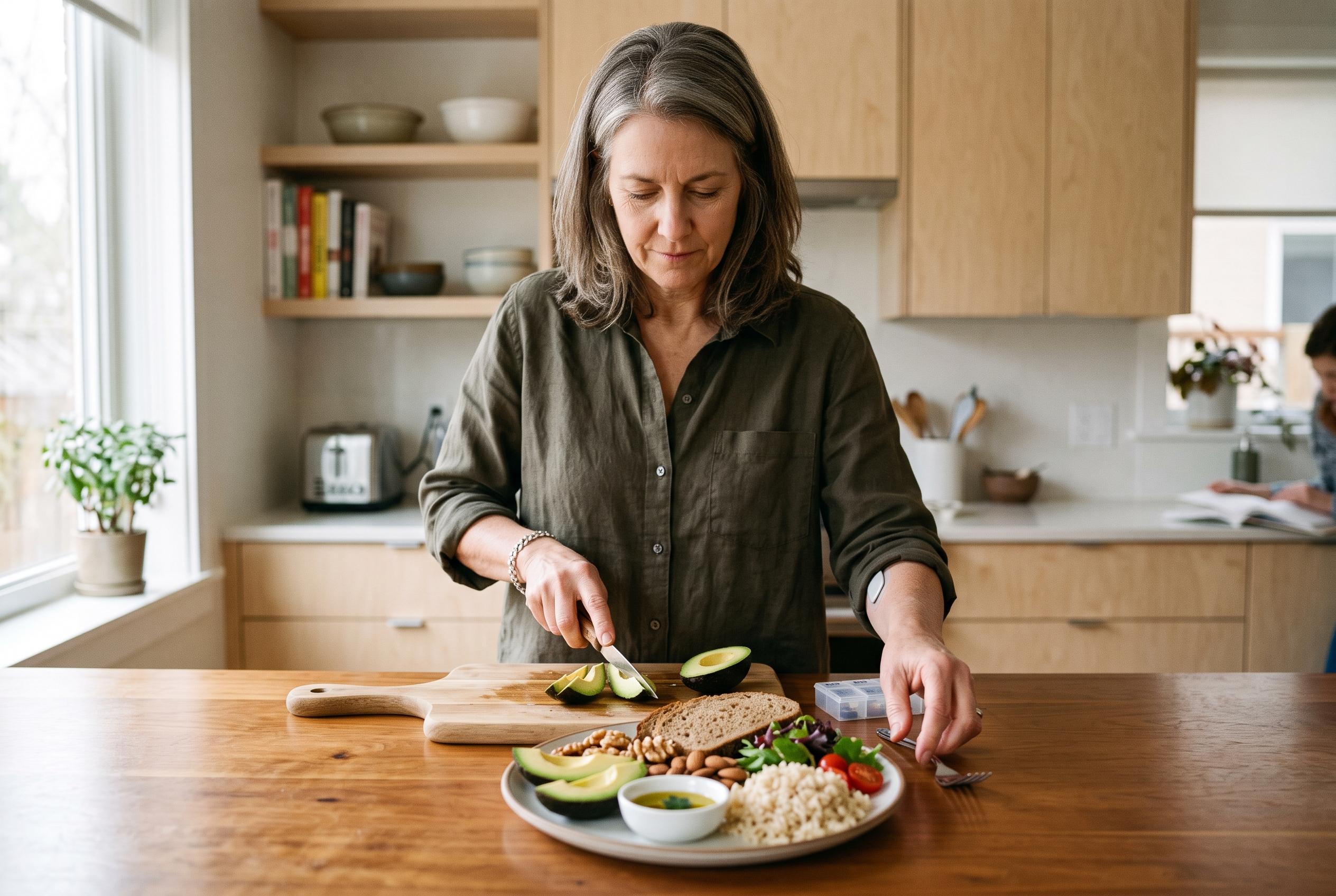

A Kyoto University study in mice adds to evidence that eating fat before carbohydrates may slow gastric emptying and temper post-meal glucose spikes, though human trials are still needed.
Researchers have added fresh weight to the case for meal sequencing in diabetes care, suggesting that eating fat before carbohydrate can blunt the blood sugar spike that follows a meal. The new animal study, reported by News Medical and led by Daisuke Yabe at Kyoto University, builds on earlier human evidence showing that the order in which foods are eaten can matter almost as much as what is on the plate. The idea is simple: rather than cutting out food groups, people may be able to improve post-meal glucose control by changing when they eat them.
In the mouse experiments, the team compared three patterns: water followed by glucose, olive oil followed by glucose, and glucose followed by olive oil. When fat came first, the animals had a smaller early rise in blood glucose and slower gastric emptying, meaning the stomach released food into the small intestine more gradually. The researchers also found higher early levels of glucagon, glucose-dependent insulinotropic polypeptide, or GIP, and glucagon-like peptide-1, known as GLP-1, all of which are involved in controlling blood sugar and appetite.
The work also probed how those effects were produced. According to the report, blocking either glucagon or GLP-1 signalling on its own did not remove the glucose-lowering effect of the olive oil preload, but blocking both together did. That suggests a combined hormone response is involved. The scientists also used vagus nerve ligation, a procedure that interrupts signalling along the main nerve connecting the gut and brain, and found that neural pathways appear to play a part as well. The benefits were seen not only in healthy mice but also in animals with type 2 diabetes and in those with severe insulin deficiency.
The findings fit with a wider body of research in humans. A 2006 study in The Journal of Clinical Endocrinology & Metabolism found that olive oil taken before a carbohydrate meal slowed gastric emptying and delayed the rise in blood glucose in people with type 2 diabetes, while also altering insulin, GIP and GLP-1 responses. A 2015 pilot study in Diabetes Care reported that eating carbohydrates last, after protein and vegetables, reduced post-meal glucose and insulin levels. A 2017 study in BMJ Open Diabetes Research & Care found a 53% reduction in incremental glucose area under the curve when carbohydrates were eaten after other foods. A 2020 review in Nutrients reached broadly similar conclusions, noting that fat or protein preloads often improved post-meal glycaemia and boosted GLP-1.
Taken together, the evidence suggests that meal order could become a practical, low-cost habit for some people with diabetes, particularly those looking for a strategy that does not rely on strict food avoidance. Even so, the Kyoto team’s work was done in mice, so it does not prove that the same hormone and nerve responses will play out in exactly the same way in people. Still, the biology described by the researchers offers a plausible explanation for why eating fat before carbohydrate appears to smooth the post-meal glucose curve, and why that approach keeps drawing interest as a realistic dietary tactic.
“Our group has long been interested in practical dietary approaches that people can continue in everyday life. Meal-sequencing is appealing because it merely changes how a meal is eaten rather than requiring people to avoid entire food groups,” Yabe said.
Disclaimer: This content is for informational purposes only and is not intended to be a substitute for professional medical judgment, advice, diagnosis, or treatment.



