

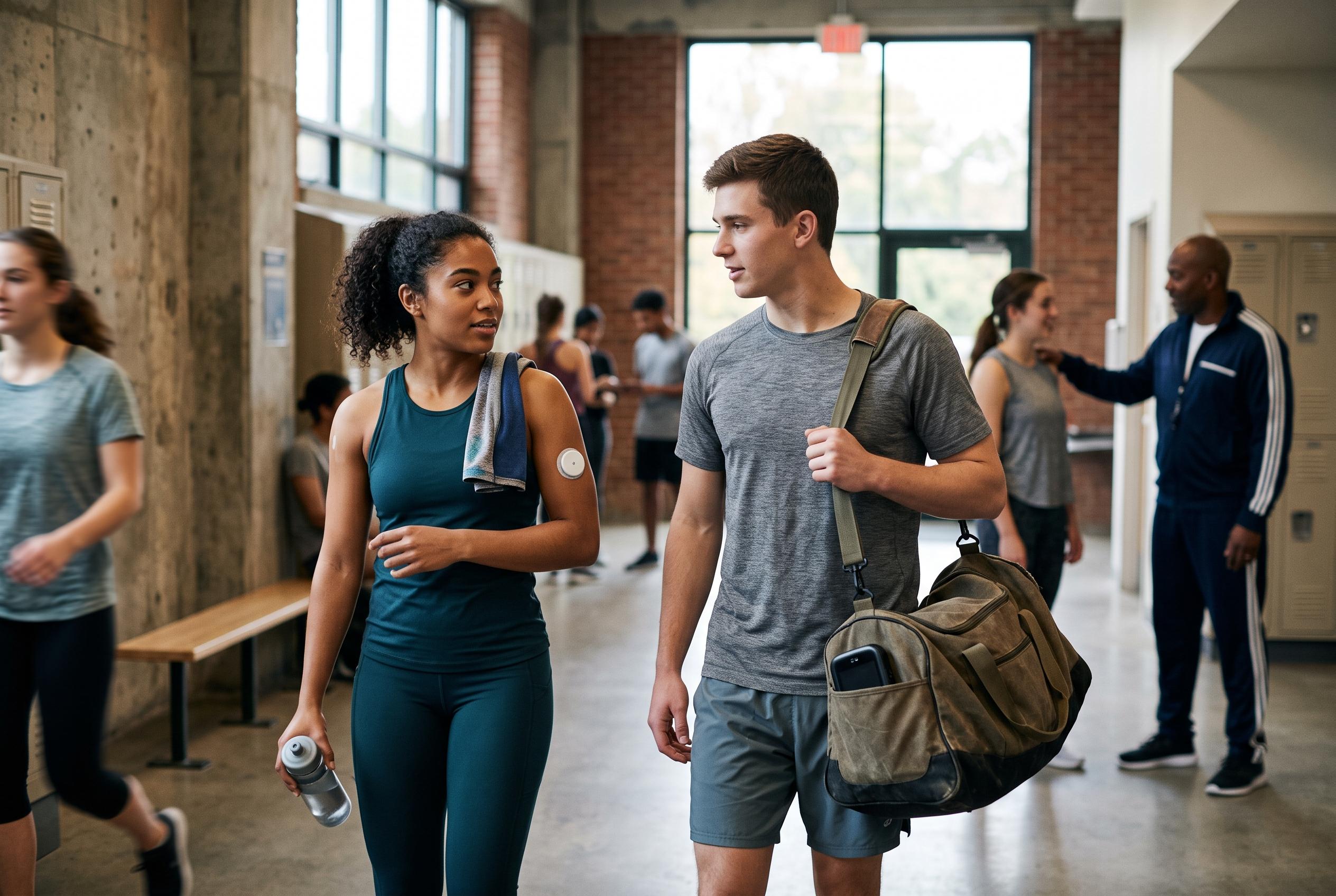

Dexcom’s fifth season of Dexcom U features a record roster of 27 college athletes and underscores a growing shift in perceptions, support, and participation among young athletes living with diabetes.
Dexcom has opened the fifth season of Dexcom U, its name, image and likeness programme for college athletes living with diabetes, and says the latest roster is its largest yet. The company said the 2026-27 group includes 27 athletes across 13 sports, with 12 newcomers and 15 returning participants, as it seeks to position the scheme as both a support network and a platform for visible role models.
The launch comes as Dexcom is leaning harder on the idea that diabetes no longer has to push young athletes out of sport. The firm said its own survey of U.S. adults with Type 1 diabetes and parents of affected children found that the share who quit sports after diagnosis fell, while overall participation rose. It also pointed to lower reports of loneliness and embarrassment, and to strong support for mentoring from athletes who are already competing with the condition.
Dexcom U began in 2022 as the company’s first NIL programme for college athletes with diabetes, initially featuring 14 athletes across 11 sports, according to Dexcom’s own materials. This year’s expansion to 27 athletes suggests the company sees room to widen the programme’s reach, while also linking it more closely to its glucose-monitoring devices, including the Dexcom G7 and G7 15 Day.
The company said it will stage Dexcom U Days at selected games this autumn, bringing younger athletes with diabetes into contact with programme members. That community angle is central to Dexcom’s pitch: the company argues that access to mentors, along with continuous glucose monitoring, can make sport feel more manageable for newly diagnosed athletes who might otherwise step away.
Disclaimer: This content is for informational purposes only and is not intended to be a substitute for professional medical judgment, advice, diagnosis, or treatment.



