

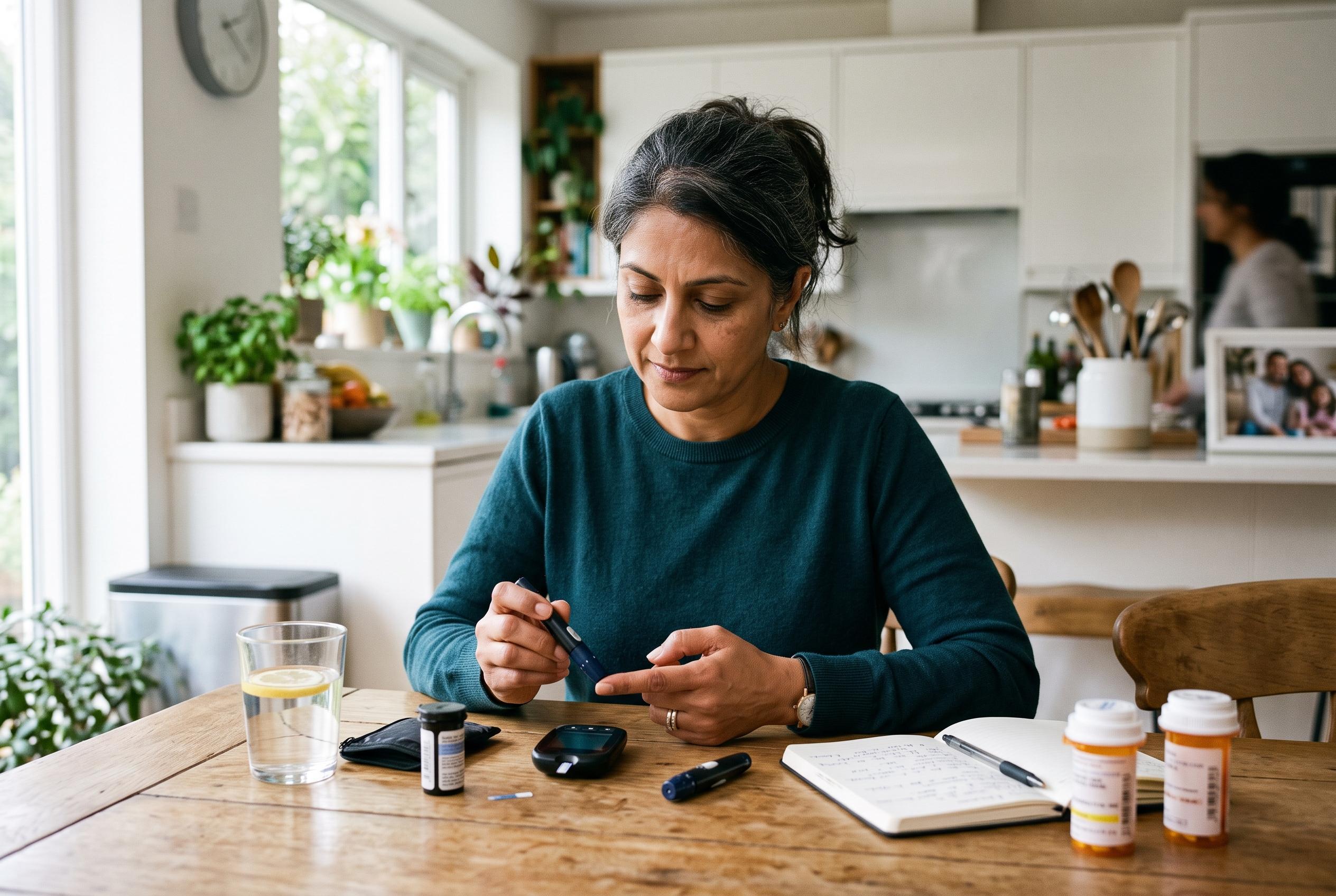

With 115 million US adults estimated to have prediabetes, pharmacists are being urged to help patients use routine glucose checks to spot risks and improve diabetes management.
The American Diabetes Association says keeping glucose under control supports overall health and lowers the risk of insulin resistance, type 2 diabetes, inflammation and both small- and large-vessel complications. In a recent Pharmacy Times article, the organisation was cited as backing routine self-monitoring of blood glucose as part of day-to-day diabetes management, particularly for people using insulin or medicines that can trigger hypoglycaemia. The piece argues that blood glucose checks give patients immediate feedback on how food, activity, sleep, stress, illness and treatment changes affect their readings.
That advice lands against a stark national backdrop. The Centres for Disease Control and Prevention says its latest National Diabetes Statistics Report, updated on 16 September 2026, puts the number of adults with diabetes in the US at 40.1 million, or about 12% of the population. Of those, 29.1 million have been diagnosed and 11 million remain undiagnosed. The CDC also estimates that 2.1 million Americans live with type 1 diabetes, including 1.8 million adults and 314,000 children and adolescents, while about 1.5 million people are newly diagnosed each year.
Prediabetes remains an even wider concern. The CDC estimates that 115 million adults have the condition, and the burden rises sharply with age: diabetes affects 28.8% of people aged 65 and older. The agency says diabetes was the seventh leading cause of death in the US in 2023, with 95,190 deaths attributed to it as the underlying cause and 399,342 death certificates listing it as either an underlying or contributing factor.
Against that backdrop, Pharmacy Times frames self-monitoring as more than a technical task. The article says pharmacists have a central role because they see patients often, can reinforce treatment plans and can help people recognise patterns before they turn into complications. That fits with the broader message from the ADA, which has long linked effective self-management, regular glucose checks, healthy eating, physical activity and medication adherence with better outcomes and fewer diabetes-related complications.
Disclaimer: This content is for informational purposes only and is not intended to be a substitute for professional medical judgment, advice, diagnosis, or treatment.



