

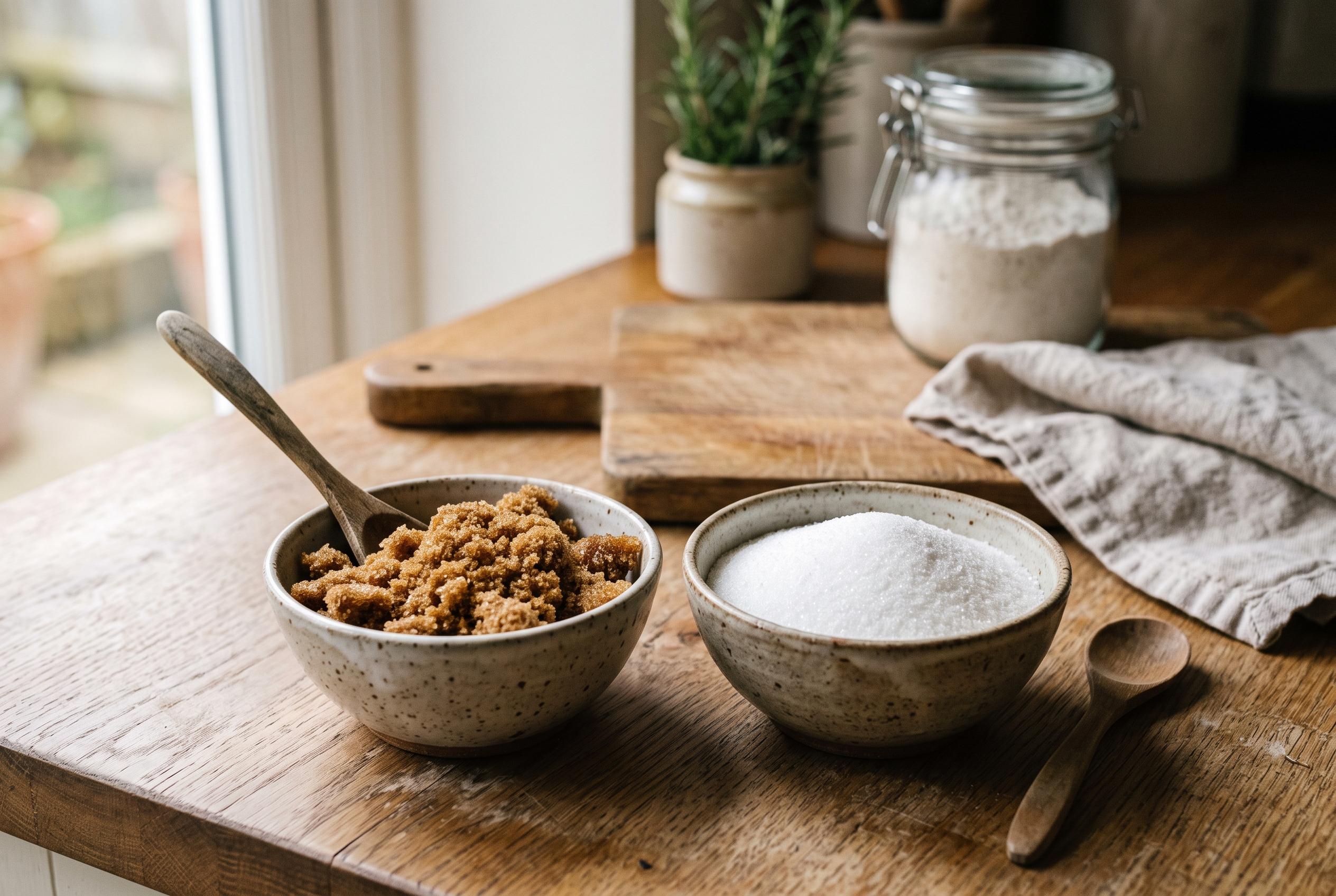

Brown sugar contains slightly more trace minerals than white sugar, but experts say the difference is too small to bring meaningful health benefits.
Brown sugar is often marketed as the more natural or more wholesome choice, but according to endocrinologist and dietitian Anton Polyakov in an interview with aif.ru, the difference from white sugar is largely cosmetic. Polyakov said the darker colour does not change the underlying nature of the product: both are fast-digesting carbohydrates, and the calorie gap is only modest.
That view is broadly in line with nutrition references from Healthline and Medical News Today, which say brown sugar and white sugar are nutritionally very similar. Brown sugar contains molasses, which gives it its colour, flavour and slightly higher trace mineral content, but the amount is too small to make a meaningful health difference in ordinary use. WebMD likewise notes that brown sugar has only a tiny calorie advantage over white sugar.
Polyakov argued that any supposed health benefit is overstated and that the appeal of brown sugar owes more to branding and appearance than to substance. That claim reflects a wider consensus in consumer nutrition coverage: brown sugar may taste richer and work well in baking because it adds moisture, but it still behaves as sugar in the body and should be treated as such. For people watching blood sugar, Healthline says the safer approach is to limit all added sugars rather than swap one type for another.
The practical takeaway is simple. Brown sugar is not a health food, and white sugar is not uniquely harmful by comparison; both should be used sparingly. If the choice is about flavour, texture or recipe results, brown sugar can make sense. If the choice is about health, the difference is too small to matter.
Disclaimer: This content is for informational purposes only and is not intended to be a substitute for professional medical judgment, advice, diagnosis, or treatment.



