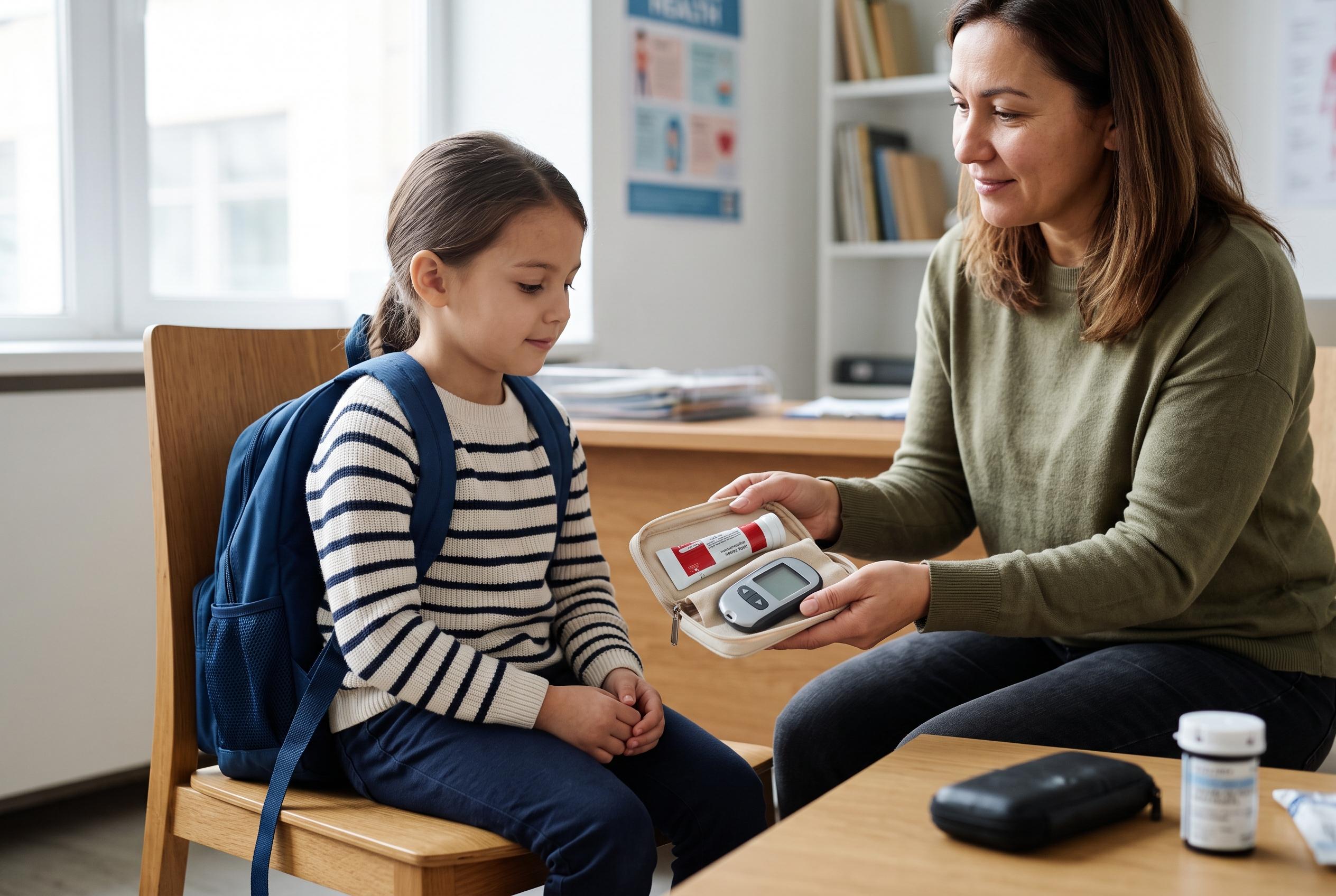

Paediatric experts emphasise the importance of children with diabetes having immediate access to blood glucose monitors and quick-acting sugars at school to ensure prompt response to hypoglycaemia and hyperglycaemia symptoms, safeguarding their health and well-being.
Children with diabetes should be allowed to keep a blood glucose metre with them at school, alongside supplies for dealing quickly with low blood sugar, according to Salwa Mahmoud, a paediatrics professor at the National Nutrition Institute in Egypt. Her advice is especially relevant for pupils using insulin, for whom day-to-day monitoring and rapid response can be critical during the school day.
Mahmoud said a child’s bag should include fast-acting sources of sugar, such as plain sugar cubes or a juice box, so that early treatment can begin immediately if hypoglycaemia, or low blood sugar, develops. Guidance from the Mayo Clinic, the US Centres for Disease Control and Prevention and UC Davis Children’s Hospital supports that approach, stressing that children at school should have access to a glucose metre and quick carbohydrates, and that treatment should not be delayed when symptoms appear.
The warning signs of low blood sugar can include sweating, shaking, hunger, dizziness, a pale face, a fast heartbeat, changes in behaviour and difficulty concentrating. In more serious cases, the child may lose consciousness or have seizures. The CDC, the American Academy of Pediatrics’ HealthyChildren resource and Children’s Hospital Pittsburgh all say these symptoms need prompt attention because untreated hypoglycaemia can become dangerous quickly. If a child cannot swallow or is unconscious, urgent medical help is needed.
Mahmoud also pointed out that high blood sugar can be just as important to spot, particularly in children with type 1 diabetes. Symptoms can include intense thirst, frequent urination, tiredness and blurred vision, while vomiting, abdominal pain, deep rapid breathing or altered consciousness may indicate a medical emergency. The CDC advises that schools should know when a pupil has diabetes and should follow a Diabetes Medical Management Plan agreed with the child’s healthcare team, so staff understand the warning signs and the correct response.
Disclaimer: This content is for informational purposes only and is not intended to be a substitute for professional medical judgment, advice, diagnosis, or treatment.