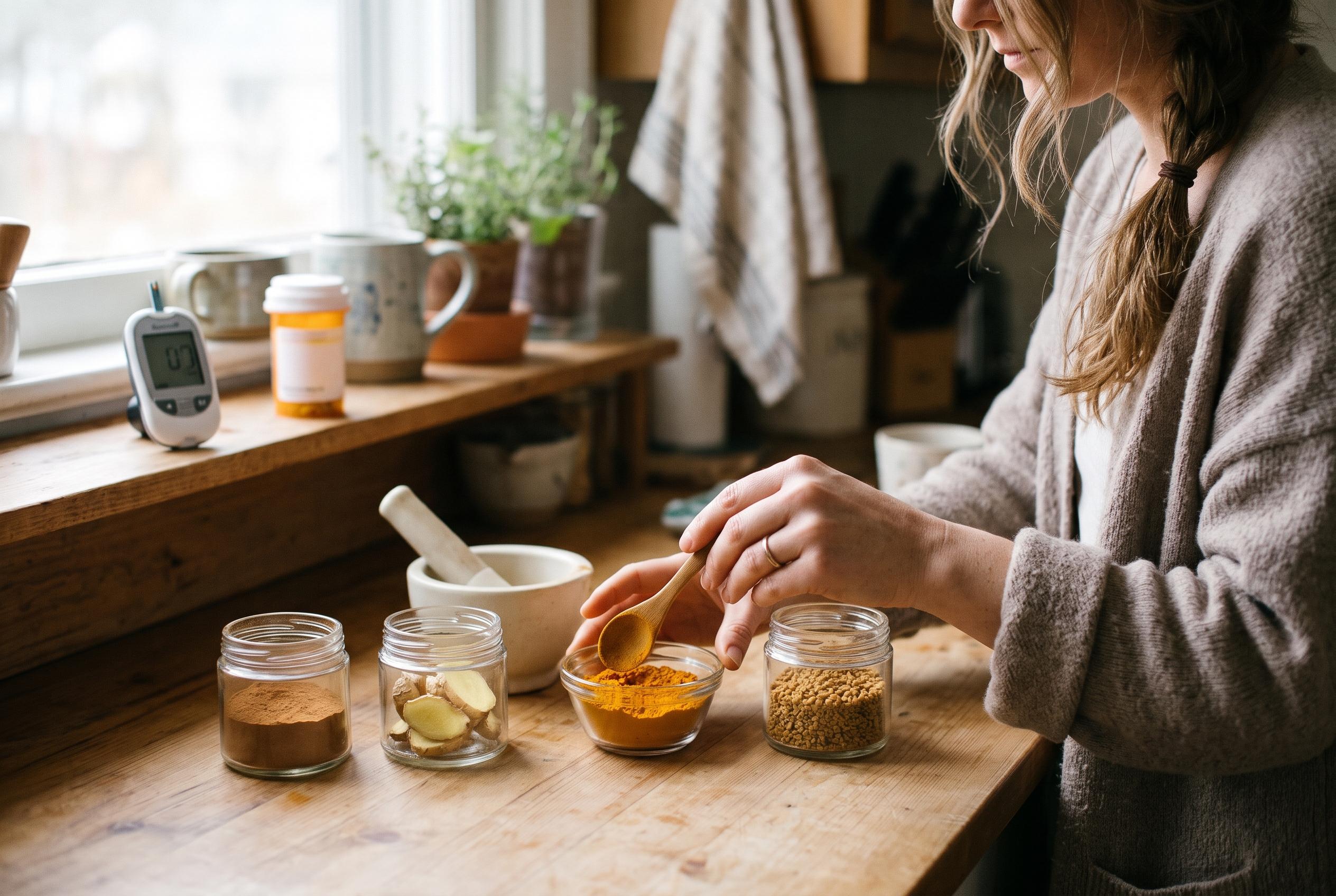

Research suggests cinnamon, ginger, turmeric and fenugreek may support glucose regulation, but mixed evidence and potential drug interactions mean they cannot replace diabetes treatment.
Spices are often valued for their flavour, but some may also have a role in blood sugar control, according to health writers and recent research. Cinnamon, ginger, turmeric and fenugreek have all been studied for their possible effects on glucose regulation, although the evidence is still evolving and none should be viewed as a substitute for diabetes treatment.
Cinnamon has drawn particular attention after a 2024 study found that adults with prediabetes who took 4 grams a day for four weeks showed better day-long blood sugar control when monitored continuously. A separate review published in 2024 also suggested cinnamon supplementation may have a modest effect on lowering blood glucose, but the authors said study quality varied and more rigorous research is needed. Health experts also caution that large amounts of cinnamon or concentrated supplements can interfere with diabetes medicines, and the US Food and Drug Administration warned in 2024 about elevated lead levels in some ground cinnamon products, advising consumers to avoid affected items.
Ginger is another spice that has attracted scientific interest. A 2026 meta-analysis focused on people with type 2 diabetes found that ginger supplementation had a positive effect on glycaemic control and blood pressure, while another 2026 review linked ginger to lower blood pressure in adults. The doses studied typically ranged from 1.6 to 3 grams a day over eight to 12 weeks, but researchers also noted the need for more high-quality trials before any firm recommendations can be made. Ginger supplements may cause stomach discomfort, heartburn or diarrhoea, and they can interact with blood-thinning and diabetes drugs.
Turmeric’s active compound, curcumin, has also been examined for possible metabolic benefits. Some studies suggest curcumin supplements may improve fasting blood sugar and HbA1c, the measure that reflects average blood glucose over the previous two to three months. But most of that research has focused on supplements rather than turmeric used in cooking. One 2024 study found that adding turmeric and black pepper to a carbohydrate-rich meal reduced post-meal blood sugar, though black pepper alone produced a similar result. High intakes of turmeric or curcumin supplements can cause headaches, skin rash and digestive problems.
Fenugreek, long used in traditional medicine for digestion and menstrual discomfort, has likewise been linked to lower blood sugar. A 2019 study found that people who took 5 grams of fenugreek powder twice daily for eight weeks had better fasting glucose and HbA1c readings than those given a placebo. Even so, fenugreek can trigger nausea, diarrhoea, low blood sugar and allergic reactions, which is why health professionals generally advise caution with all herbal supplements, especially for people already taking medication for diabetes.
Disclaimer: This content is for informational purposes only and is not intended to be a substitute for professional medical judgment, advice, diagnosis, or treatment.