

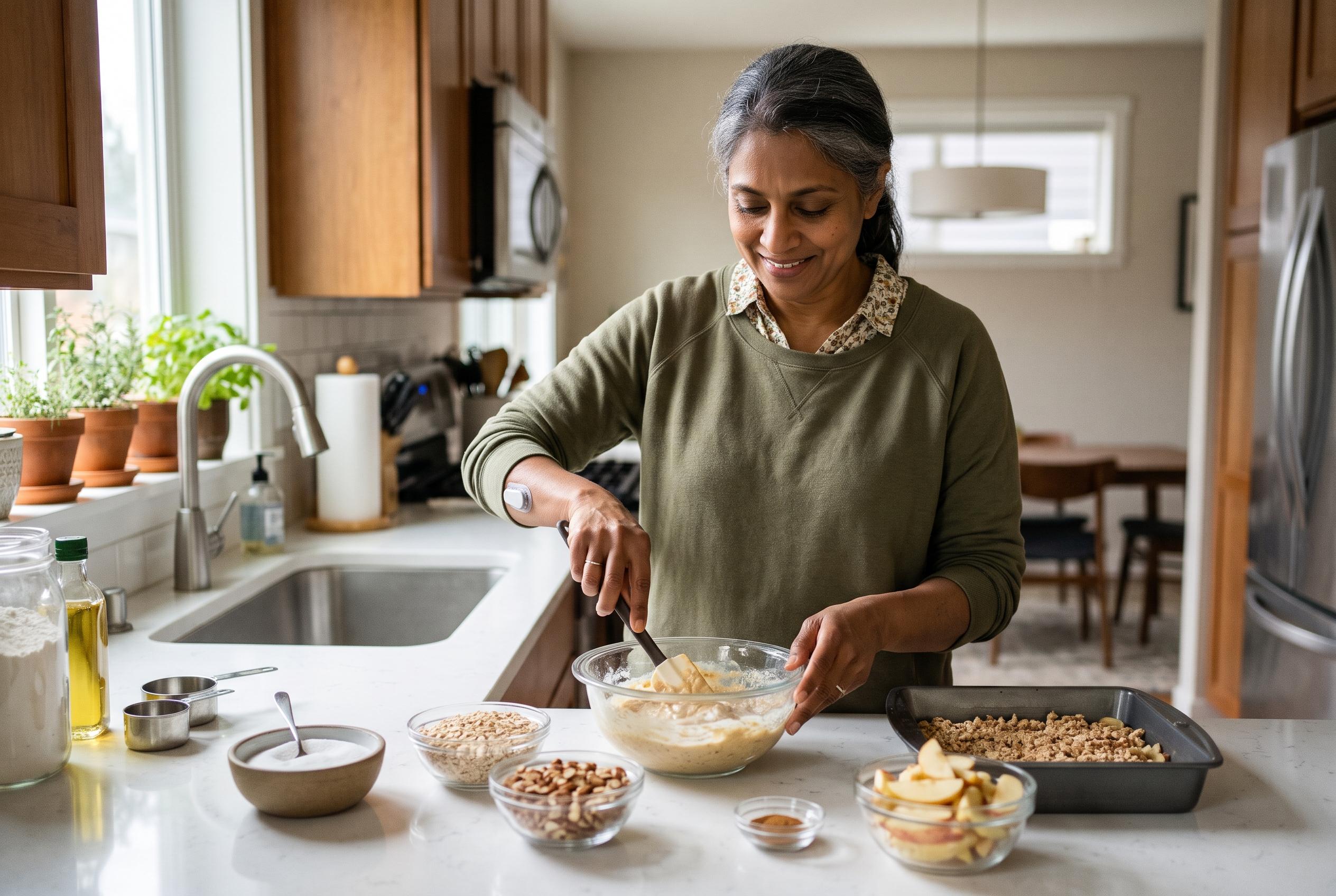

A comparison of sugar alternatives finds allulose the closest fit for baking, while stevia and monk fruit may work better in drinks , but digestive side effects, blends and individual glucose responses complicate the choice.
For people managing diabetes, the baking aisle can feel less like a convenience and more like a chemistry experiment. A Diabetes Daily article takes a personal approach to that problem, ranking common sweeteners by blood sugar effect, taste and digestive tolerance rather than by marketing claims. Its main conclusion is straightforward: there is no universal best option, because what suits one person may be useless, unpleasant or upsetting for another.
The article puts allulose at the top of the list. Medical News Today and WhatSugar both describe it as a naturally occurring sugar found in small amounts in some fruits and vegetables, with a minimal effect on blood glucose and insulin. The Diabetes Daily piece notes that it behaves more like table sugar in baking than many other substitutes, but it also warns that larger amounts can trigger bloating, cramps or diarrhoea. A dietitian quoted in the article advises starting with a modest swap rather than replacing all of the sugar at once.
Stevia and monk fruit come next, especially for drinks, according to the Diabetes Daily ranking. Healthline says both are zero-calorie sweeteners that do not raise blood sugar on their own, while a separate guide from the Federation of American Societies for Experimental Biology says pure monk fruit does not significantly increase insulin levels and has a glycaemic index of zero. Even so, the Diabetes Daily article is cautious about the way these sweeteners are often sold, because they are frequently blended with other ingredients such as erythritol or xylitol, which can complicate both taste and blood sugar response.
The piece then turns to more traditional sweeteners such as honey, maple syrup, agave, coconut sugar, date sugar and molasses. These may feel more natural, and they can contain small amounts of minerals or other nutrients, but they are still carbohydrate-rich and can raise glucose levels. The article’s argument is not that they are harmless, but that some people may prefer them to highly processed alternatives if they are counting carbohydrates carefully and adjusting insulin as needed.
Lower down the ranking are sugar alcohols and artificial sweeteners. The Diabetes Daily article says sugar alcohols such as erythritol, xylitol, sorbitol and maltitol can still affect blood glucose and may cause gastrointestinal side effects. It also points to a 2023 study linking higher erythritol levels with a greater risk of cardiovascular events over the following three years, while noting that the findings still need confirmation in larger, longer-term research. Artificial sweeteners such as aspartame, sucralose and saccharin are described even more sceptically, with the article saying the writer avoids them because of taste and health concerns, although it acknowledges that some people rely on them to simplify diabetes management and reduce carbohydrate intake.
Disclaimer: This content is for informational purposes only and is not intended to be a substitute for professional medical judgment, advice, diagnosis, or treatment.



