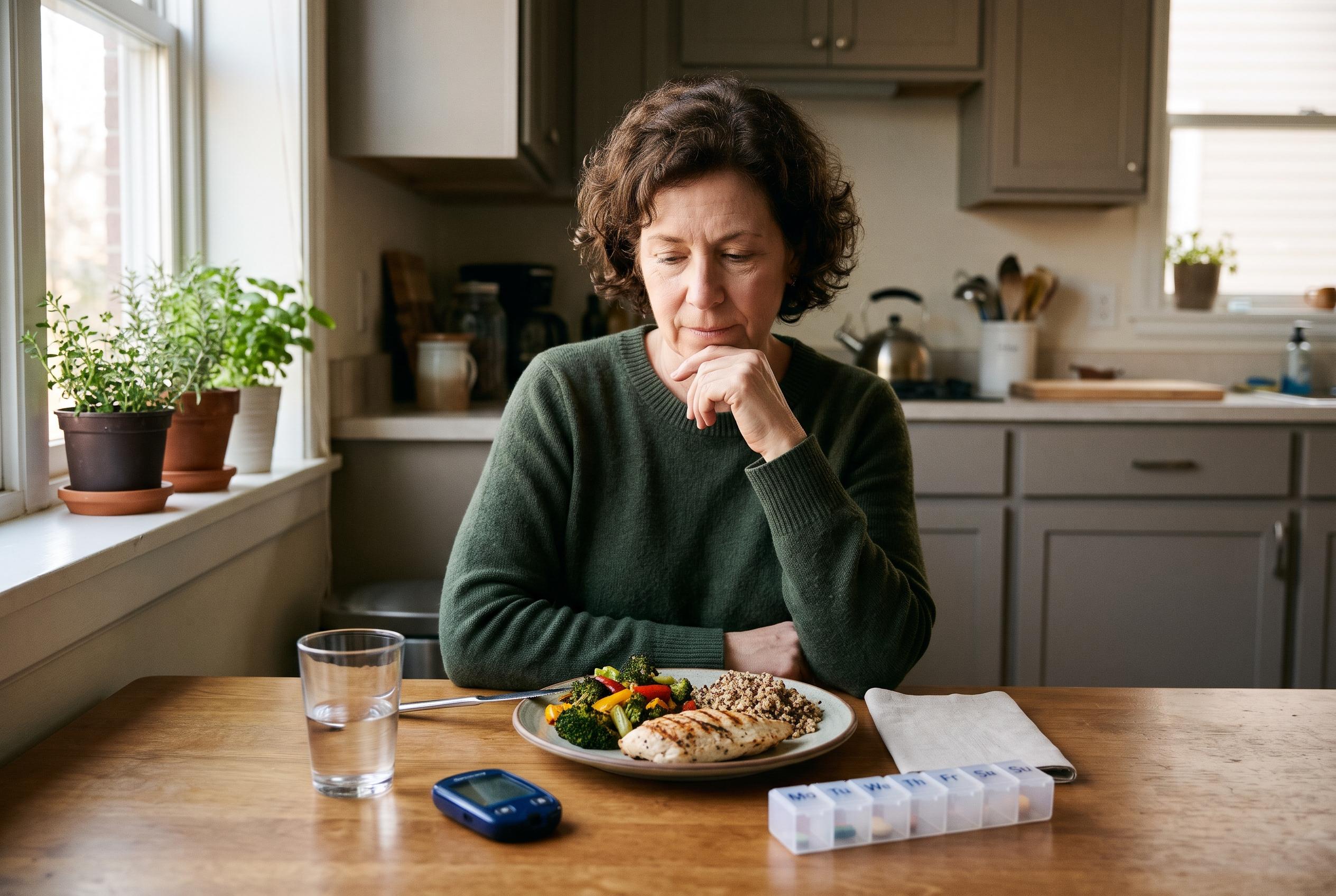

Exercise can improve insulin sensitivity, but diet, stress, sleep, medication and the dawn phenomenon may still keep blood sugar high.
Exercise is often recommended as a cornerstone of diabetes care, but a workout routine does not always translate into lower blood sugar on its own. In comments to Thanh Nien, Châu Hoàng Sinh, head of internal medicine at Lê Văn Việt Hospital in Ho Chi Minh City, said physical activity can improve insulin sensitivity and help muscles use glucose more effectively. Even so, he said blood sugar control also depends on diet, sleep, stress levels and whether treatment is taken as prescribed.
That helps explain why some people still see high readings despite regular squats, stretching or brisk walking. Healthline notes that strenuous exercise can briefly push glucose higher because the body releases stress hormones such as adrenaline, prompting the liver to release sugar into the bloodstream. The Mayo Clinic also says blood sugar can fluctuate for many reasons, including food choices, physical activity, dehydration, illness, stress, medication and hormonal shifts. In other words, exercise is helpful, but it is only one part of the equation.
Sinh said diet is a common reason readings remain elevated. After exercise, appetite often increases, and people may compensate by eating too many refined carbohydrates, sugary drinks or oversized portions. He also warned that the training itself may not be enough if the intensity, duration or rest periods between sets are not matched to a person’s condition. Research from the National Centre for Biotechnology Information says muscle contraction during exercise increases glucose uptake and improves insulin action, while Cleveland Clinic notes that activity after meals can be especially useful for lowering blood sugar.
Stress, poor sleep and the so-called dawn phenomenon can also make mornings particularly difficult. Sinh said cortisol and other hormones released near daybreak can raise the liver’s glucose output, which may push fasting readings up even when a person has been careful the day before. For that reason, he said a single high reading in the morning should not automatically be dismissed as normal; it should be judged alongside other readings, overnight patterns and the medicines being used. He advised people to keep a diary of meals, exercise and glucose measurements, and to seek medical review if blood sugar remains high despite consistent lifestyle changes and treatment. At that point, doctors may recheck HbA1c, assess liver and kidney function and adjust medication, diet or exercise advice as needed.
Disclaimer: This content is for informational purposes only and is not intended to be a substitute for professional medical judgment, advice, diagnosis, or treatment.