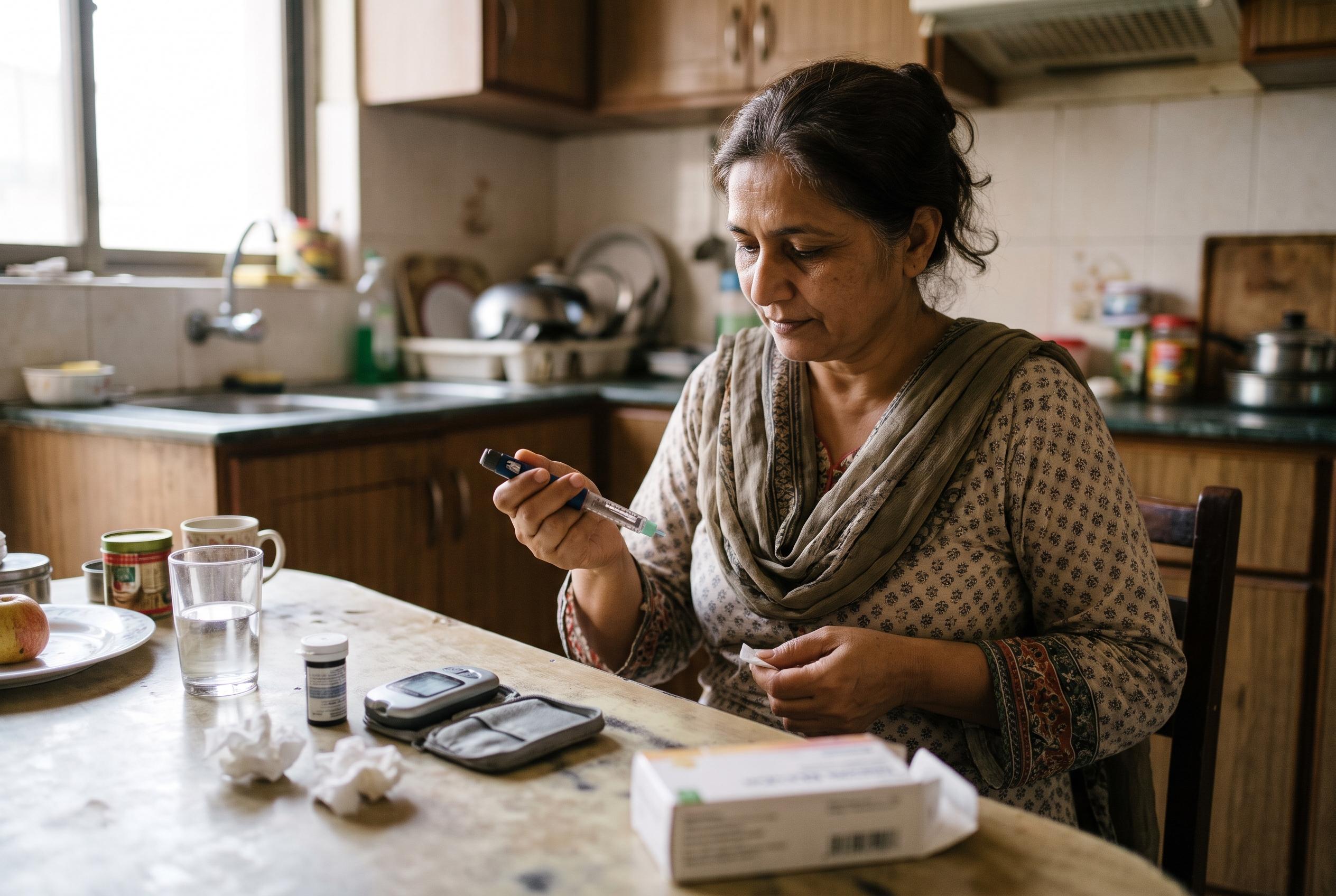

Supplies of an insulin product used by people with Type 1 diabetes have fallen sharply during a year-long manufacturing upgrade, while patients face more expensive alternatives and limited access to doctors.
Pakistan is facing a shortage of an insulin product used by people with Type 1 diabetes after its German manufacturer paused supplies while upgrading the medicine, Parliamentary Secretary for Health Nelson Azeem told the National Assembly on Friday.
Azeem said the product had been available without interruption until June, with stocks lasting through September, before the supply line from Germany was disrupted in October. He said the shortage was being felt beyond Pakistan, affecting markets across Asia, Australia and Europe, and added that the medicine should return to shelves once international supplies resume.
He said alternative insulin products with the same dose and method of action were available in Pakistan and could be used on a doctor’s advice. But Syeda Amna Batool, the lawmaker who raised the issue, warned that many patients may struggle to make the switch because the alternatives are at least 20% more expensive and access to doctors is limited for many families.
Azeem said the manufacturer had previously been supplying 3,500 kits, but that figure had dropped to 1,000 and could fall further during what he described as a year-long upgrade. He said the health ministry had asked importers to secure alternative supplies, though he acknowledged that would be difficult while production remained halted. The ministry had earlier denied reports of a broad insulin shortage, saying only one brand was unavailable and other rapid-acting insulin options remained on the market. In August 2025, the Pakistan Medical Association warned that shortages of essential medicines were becoming severe, with many important drugs, including some used in diabetes care, in short supply.
Disclaimer: This content is for informational purposes only and is not intended to be a substitute for professional medical judgment, advice, diagnosis, or treatment.