

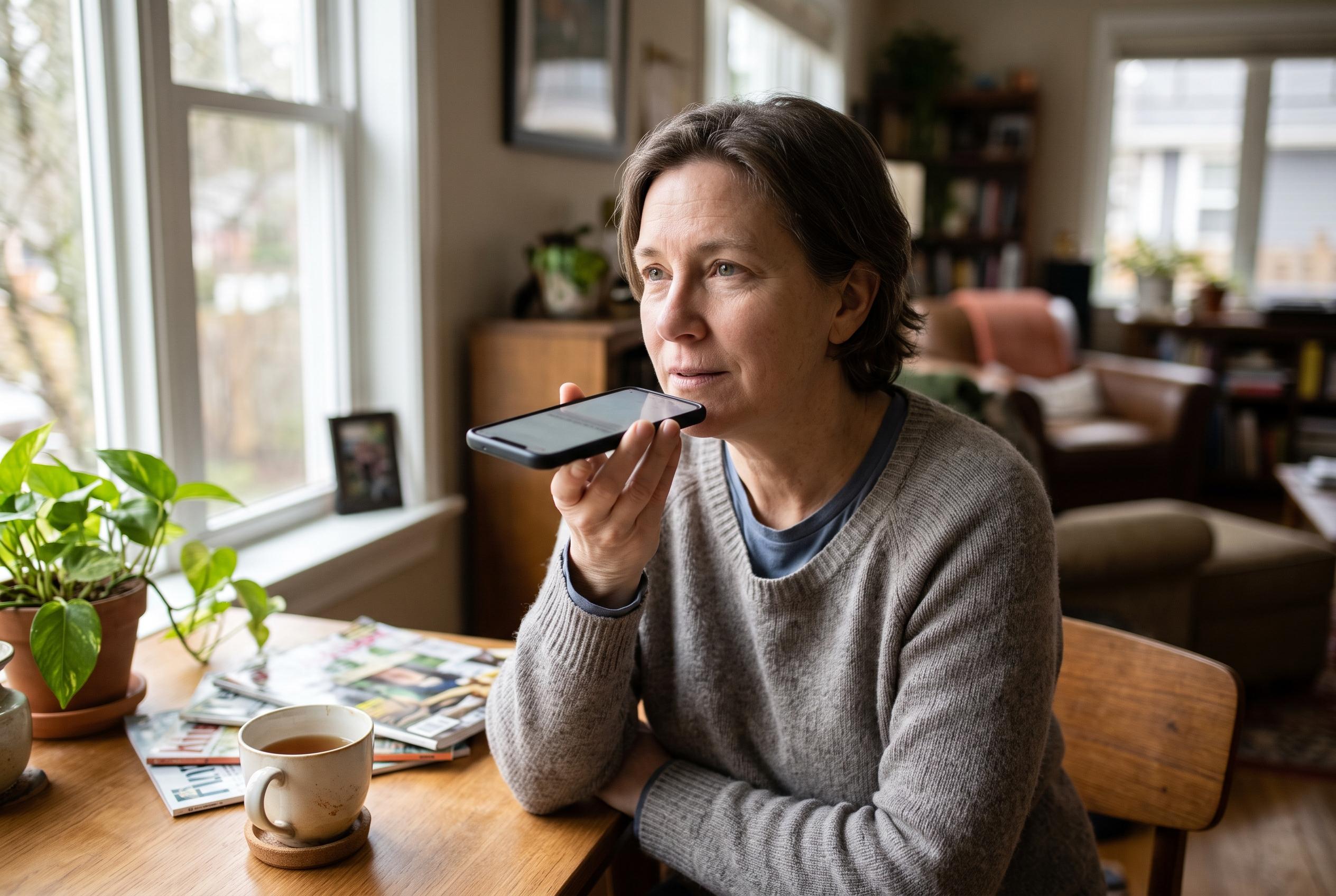

A voice-analysis model showed promise in screening for type 2 diabetes using smartphone recordings, but researchers stress that it cannot replace blood tests or clinical diagnosis.
An artificial intelligence model can identify signs of type 2 diabetes from a 20-second voice recording, according to research first highlighted in a report by the Daily Journal and supported by later validation work posted on medRxiv. The approach points to a potential low-cost screening method that does not require blood tests or clinical equipment, although researchers have not suggested it should replace standard diagnosis.
The most recent validation study, posted on medRxiv, trained the model on voice data from more than 21,000 people and found that it performed well when tested against both self-reported diagnoses and HbA1c blood results, a laboratory measure used to assess longer-term blood sugar levels. The researchers reported an area under the curve of 0.80 against self-reported diabetes and 0.75 against HbA1c, figures that indicate moderate to strong discrimination in a screening context. The preprint said the system could be developed into a scalable tool for early detection.
Separate coverage of the research presented at the 2026 European Association for the Study of Diabetes meeting said the model analysed short speech clips for patterns associated with the disease, including changes such as hoarseness and altered breath control. According to reporting by Knowridge and Yahoo Health, the work builds on the idea that diabetes may leave measurable traces in the voice, creating an opportunity for easier screening in settings where laboratory testing is less accessible.
The peer-reviewed paper indexed on PubMed describes the system, called Voice2Diabetes, as using smartphone recordings and spectro-temporal transformer embeddings, a type of machine-learning technique that extracts patterns from sound. Medical Daily reported that the model detected a substantial share of confirmed cases but also produced many false positives, underscoring a familiar limitation of screening tools: they can flag people for follow-up, but they do not make a diagnosis on their own. That balance between access and accuracy will likely shape whether voice-based screening becomes a practical addition to diabetes care.
Disclaimer: This content is for informational purposes only and is not intended to be a substitute for professional medical judgment, advice, diagnosis, or treatment.



