

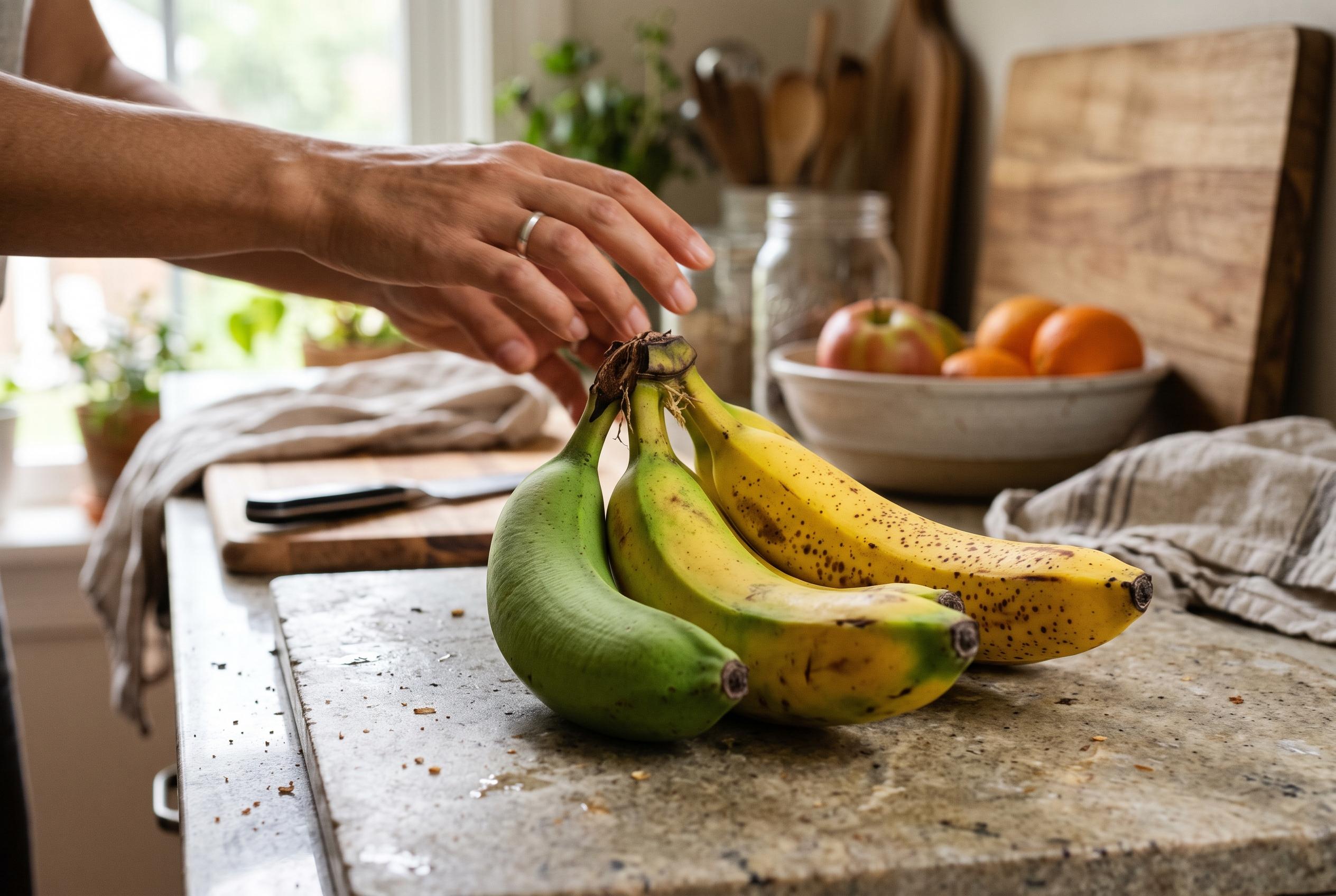

Ripening transforms a banana’s starches into sugars, changing its texture, digestibility and best use , from steady energy and fuller feelings to quick fuel and easier eating.
Bananas may look simple, but the difference between green and ripe fruit is more than cosmetic. In a News18 photo gallery updated on 20 October 2026, the outlet noted that ripening changes a banana’s texture, flavour and sugar profile as starches turn into natural sugars. That means the same fruit can serve very different purposes depending on whether it is eaten firm and green or soft and yellow.
Unripe bananas are typically higher in resistant starch and fibre, which helps slow digestion and can leave people feeling fuller for longer. Healthline explains that resistant starch behaves much like fibre in the body, feeding beneficial gut bacteria and supporting digestive health. That is why green bananas are often linked with better bowel function and a more gradual release of energy.
Ripe bananas, by contrast, contain more readily available sugars and are easier to digest. Their softer texture and sweeter taste make them a useful option for children, older adults or anyone with a sensitive stomach. Health sources such as Healthline and Science Insights also note that the lower glycaemic impact of green bananas may make them the better choice for people watching blood sugar, while riper bananas are often preferred for quick fuel before or after exercise.
The practical choice, then, depends on what you want from the fruit. Green bananas are commonly cooked in savoury dishes such as curries, chips and cutlets, and they may suit weight-management plans because their fibre can help curb appetite. Ripe bananas are more often eaten fresh, blended into smoothies or used in baking, and their higher carbohydrate content can be useful for those trying to add calories. Apollo247 adds that raw bananas are valued in some cooking traditions for their gentler effect on digestion, reinforcing the idea that each stage of ripeness has its own role.
Disclaimer: This content is for informational purposes only and is not intended to be a substitute for professional medical judgment, advice, diagnosis, or treatment.



