

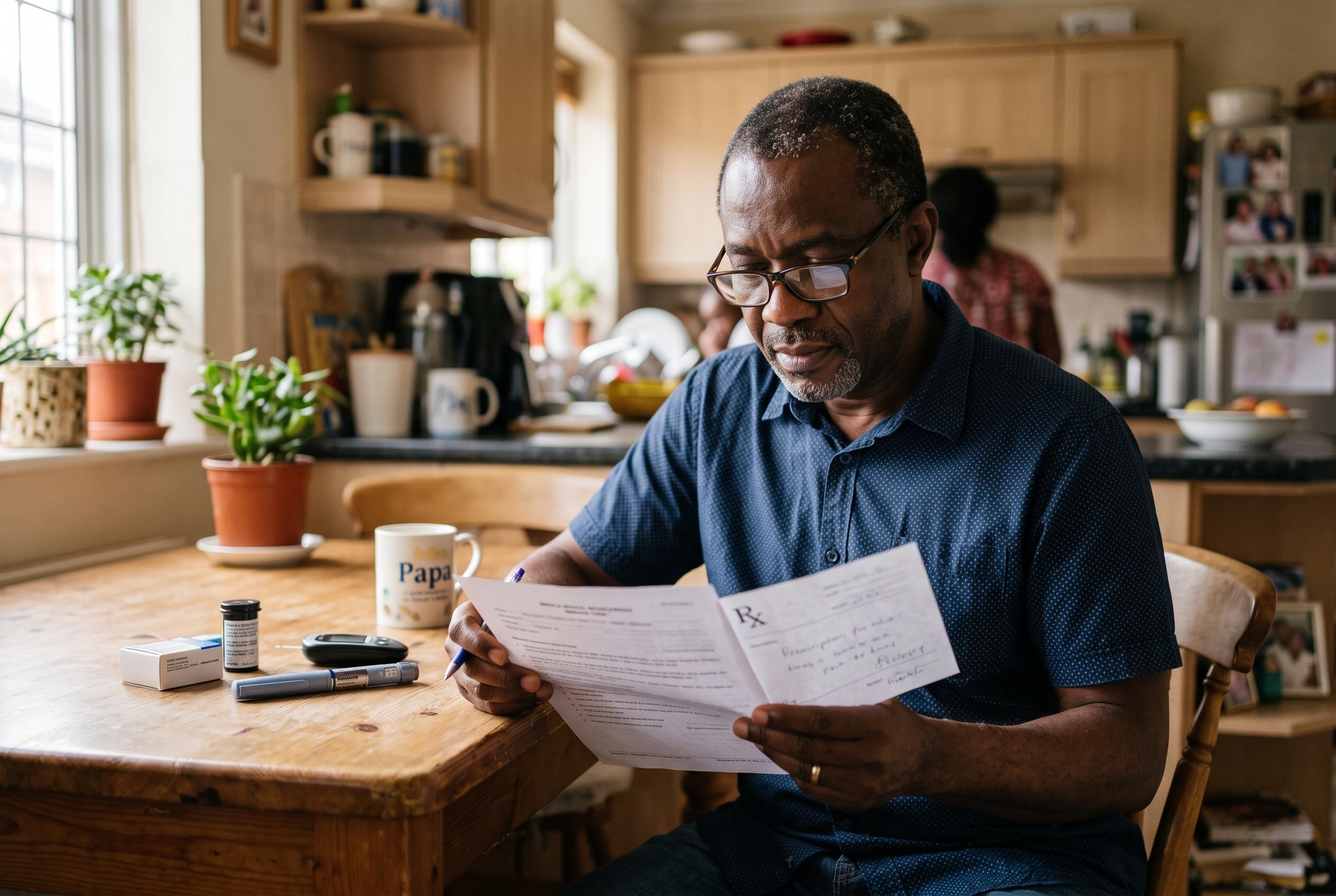

The veteran Nigerian actor says recognising his symptoms, following medical advice and undergoing routine checks have shaped his approach to managing diabetes since 1996.
Jide Kosoko has said he has lived with diabetes since 1996 and, after three decades of treatment, believes he has developed a strong understanding of his own condition. In an interview on African-a-list, the veteran Nigerian actor said he knows the warning signs his body gives him and tries to respond quickly, whether that means taking medication, resting, sleeping properly or adjusting his routine. He also rejected the idea that faith alone can replace medical care, saying he would not allow anyone to persuade him that a miracle could cure the condition.
His comments reflect long-standing medical advice that diabetes is best managed through close attention to the whole body, not just blood sugar readings. The US Centres for Disease Control and Prevention says effective care often involves a team of specialists, while the American Diabetes Association recommends regular checks such as A1C testing, kidney screening and other monitoring designed to spot complications early. Banner Health also notes that routine appointments can help doctors review medication, blood pressure, cholesterol and the health of the eyes, feet, kidneys and mouth.
Kosoko said he had also undergone a colonoscopy about a week before the interview, presenting the procedure as part of the broader discipline of looking after his health. Consumer Reports and the American Medical Association both describe colonoscopy as an important screening tool for detecting colorectal cancer early, especially when people follow recommended testing schedules. For average-risk adults, the procedure is commonly advised at regular intervals, with timing depending on age, overall health and risk factors.
The actor also said he wants to set up a foundation to pay for medical check-ups for less privileged colleagues, arguing that people should not wait until a problem becomes severe before seeking help. His remarks point to a wider public-health message that applies well beyond the entertainment world: chronic conditions are easier to manage when they are monitored consistently, and routine screening can uncover hidden problems before they become more serious.
Disclaimer: This content is for informational purposes only and is not intended to be a substitute for professional medical judgment, advice, diagnosis, or treatment.



