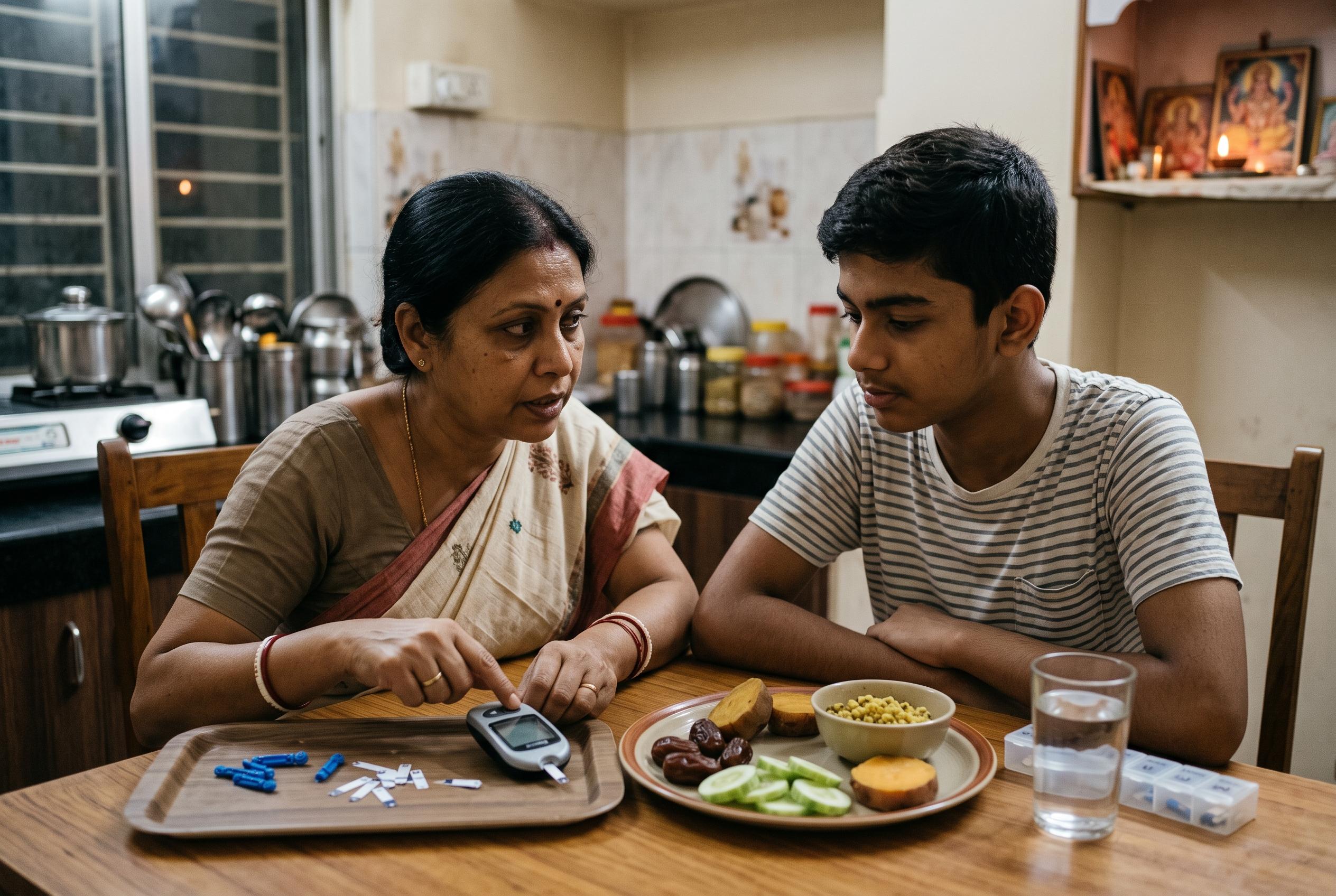

As Navratri approaches, experts emphasise the importance of personalised, cautious fasting practices amidst concerns over health risks and the myth of detoxification, urging adherence to modern medical guidance for safer celebrations.
As Sharad Navratri approaches and the weather turns cooler after the monsoon, many people once again face the annual question of whether a nine-day fast is a healthy tradition or a strain on the body. The answer, doctors say, depends on the person, the length of the fast and, crucially, how it is carried out. Seasonal shifts can already leave people more vulnerable to flu-like illness and other infections, so fasting at this time of year is not something to treat casually.
According to Delhi-based diabetologist and obesity specialist Rajiv Kovil, the body does adapt when food intake drops: insulin falls, glucagon rises and the liver first uses stored glucose before shifting towards glucose production from other sources and fat burning. In a healthy person, that is usually a normal physiological response. But Kovil warns that in people with diabetes, especially type 1 diabetes or those taking SGLT2 inhibitors, fasting can speed up ketone production and, in the worst cases, trigger diabetic ketoacidosis, a medical emergency. The biggest immediate danger for many patients is hypoglycaemia, or low blood sugar, which makes medical supervision important before any prolonged fast.
The question of immunity is more complicated. There is no direct research on Navratri fasting and flu risk, but doctors point out that fasting during a season of respiratory and gastrointestinal infections should be approached with caution. Research discussed by Healthline and Cleveland Clinic suggests that some forms of intermittent fasting may have benefits for weight and blood sugar control, yet longer or poorly planned fasts can also leave people tired, dizzy or short on fluids. Health professionals consistently advise that people with diabetes, heart disease or other chronic conditions should not begin fasting without medical guidance, particularly if they may need medication adjustments or closer monitoring.
The idea that fasting “detoxifies” the body is not supported by evidence, doctors say. Kovil argues that the liver, kidneys, lungs and digestive tract already handle waste removal continuously, and that fasting does not “flush toxins” in any meaningful scientific sense. Columbia University and the US National Center for Complementary and Integrative Health have made similar points, noting that so-called detox diets often work, if they work at all, because they are low in calories rather than because they cleanse the body. Any lighter feeling during a fast is more likely to come from reduced bloating, changes in glycogen and water stores, and a temporary drop in salt and calorie intake.
Gastroenterologists also caution against the familiar cycle of starving all day and then breaking the fast with a heavy meal. Vishal Khurana, a gastroenterologist at Metro Hospital in Faridabad, says the stomach continues producing acid and digestive juices regardless of whether food is present, which means a large, oily or spicy meal after hours of fasting can trigger reflux, bloating and burning. He and Kovil both warn that a Navratri fast can easily turn into a high-carbohydrate eating pattern dominated by sabudana, potatoes and sweets, which can cause sharp spikes in blood sugar rather than the discipline the practice is supposed to encourage.
Doctors say certain symptoms should be treated as a signal to stop, not as a test of willpower. Trembling, sweating, palpitations, dizziness, confusion, blurred vision, fainting, repeated vomiting, severe stomach pain and extreme weakness all warrant attention. For people with diabetes, a blood sugar reading below 70 mg/dL is considered hypoglycaemia and should be treated promptly. Khurana adds that symptoms such as trouble swallowing, black stools, vomiting blood, sudden weight loss or severe chest pain should not be dismissed as simple acidity.
The clearest advice is that fasting should be individual, not automatic. Pregnant or breastfeeding women, frail older adults, people with kidney or significant liver disease, those recovering from serious illness and anyone with recurrent low blood sugar or low blood pressure should seek medical advice before fasting. Cleveland Clinic and Healthline also stress the importance of hydration, adequate protein and stopping the fast if warning signs appear. For those who do choose to fast, doctors recommend smaller meals, more water, enough protein from permitted foods such as curd, paneer, milk, nuts and seeds, and a lighter, earlier meal rather than a late-night feast. In other words, the tradition can fit modern health advice, but only if it is practised with restraint, planning and an honest respect for the body’s limits.
Disclaimer: This content is for informational purposes only and is not intended to be a substitute for professional medical judgment, advice, diagnosis, or treatment.