

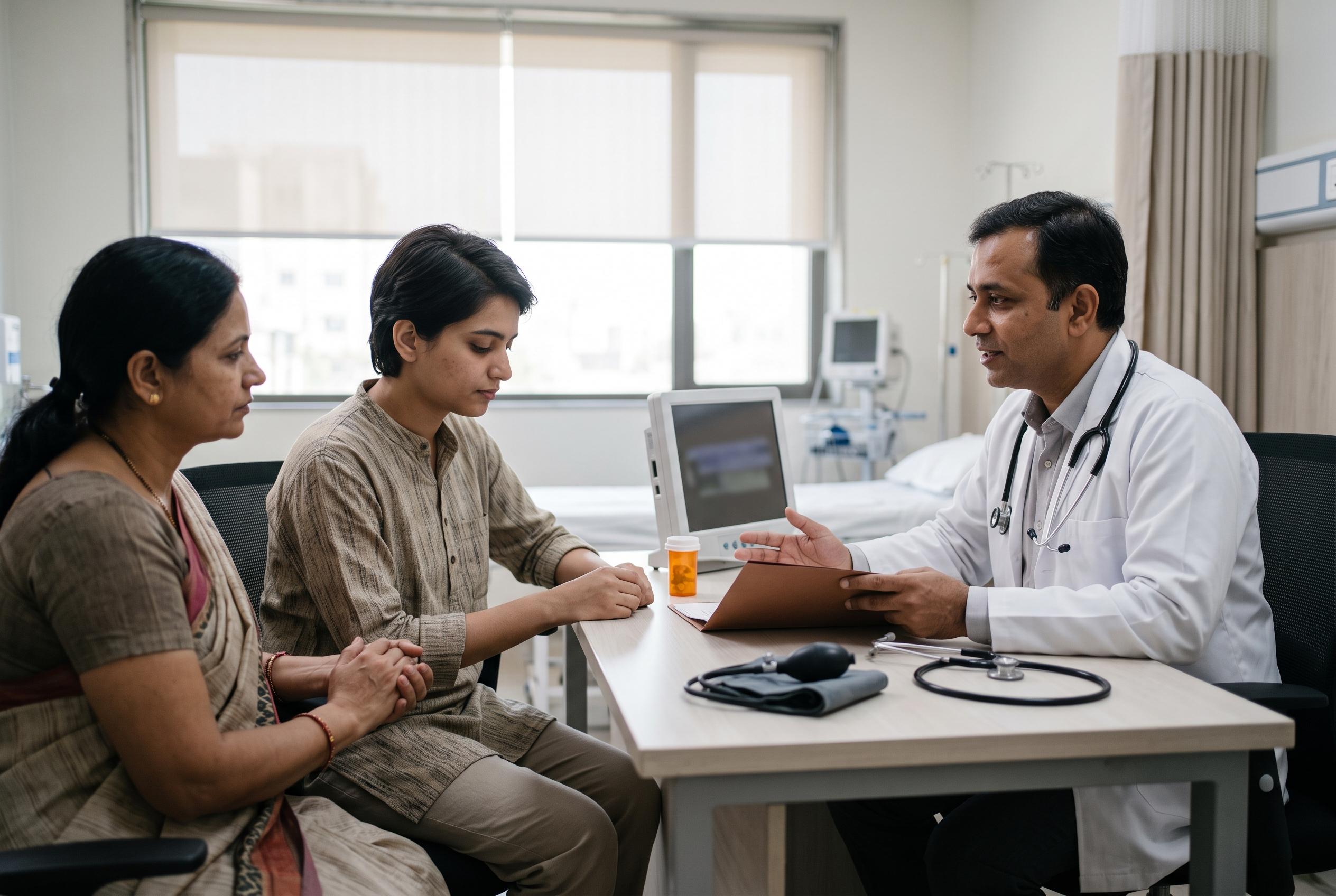

With obesity and metabolic complications appearing earlier among Indians, doctors are increasingly contemplating bariatric surgery for patients in their twenties and early thirties, highlighting a shift in treatment strategies to combat lifestyle-related diseases at a younger age.
Bariatric surgery is increasingly being considered for Indians in their twenties and early thirties, as doctors see obesity and its complications appearing earlier in life. What was once seen mainly as a procedure for older people with long-standing severe obesity is now entering conversations with younger adults who already have type 2 diabetes, sleep apnoea, fatty liver disease, high blood pressure or painful joints, according to NDTV and the medical commentary it published.
The shift matters because the question is not simply how much a person weighs, but what excess weight is doing to their health. National Family Health Survey data show that nearly one in four adults in India is overweight or obese, while research cited by NDTV from the Indian Council of Medical Research and published in The Lancet Diabetes & Endocrinology estimated large national burdens of abdominal and general obesity. That broader picture helps explain why metabolic disease is now showing up earlier, especially in South Asian populations, where complications can emerge at lower body mass index levels than those often used to define severe obesity in Western settings.
Specialists stress that age alone should not decide whether surgery is appropriate. For South East Asian patients, a body mass index of 29 or higher with conditions such as type 2 diabetes, obstructive sleep apnoea, osteoarthritis or fatty liver disease may be enough to prompt consideration, while a BMI of 35 or more can also qualify even without another obesity-related illness. A study indexed on PubMed comparing young adults aged 18 to 25 with adults aged 35 to 55 found that younger patients had better weight-loss outcomes over several years and fewer short-term complications, suggesting that reluctance to operate on younger people may be misplaced.
The reason doctors take the issue seriously is that obesity tends to trigger a chain reaction. Blood sugar can worsen, blood pressure can rise, sleep quality can deteriorate and liver disease can progress, making physical activity harder and further weight gain more likely. Metabolic surgery is therefore used when diet, exercise and medication have not delivered lasting results, and the aim is not only to reduce weight but also to improve the metabolic conditions linked to obesity.
Evidence from major trials supports that approach. The STAMPEDE trial, published in The New England Journal of Medicine, found that gastric bypass and sleeve gastrectomy produced better blood sugar control and weight loss than medical treatment alone in patients with obesity and type 2 diabetes. Longer-term results from the ARMMS-T2D study, published in JAMA, showed sustained weight loss and durable diabetes improvement more than 12 years after surgery. Additional systematic reviews in PubMed have reported that sleeve gastrectomy is safe and effective in adolescents and young adults, with meaningful improvements in obesity-related conditions.
Even so, surgery is not a quick fix. Younger patients may live with its consequences for decades, so nutrition, vitamin and mineral supplements, exercise and regular follow-up remain essential. The growing number of younger Indians becoming eligible for treatment does not mean surgery should be the default response to obesity. It does mean that clinicians are being forced to confront a changing reality: metabolic disease is arriving earlier, and delaying effective treatment can carry a long-term health cost.
Disclaimer: This content is for informational purposes only and is not intended to be a substitute for professional medical judgment, advice, diagnosis, or treatment.



