

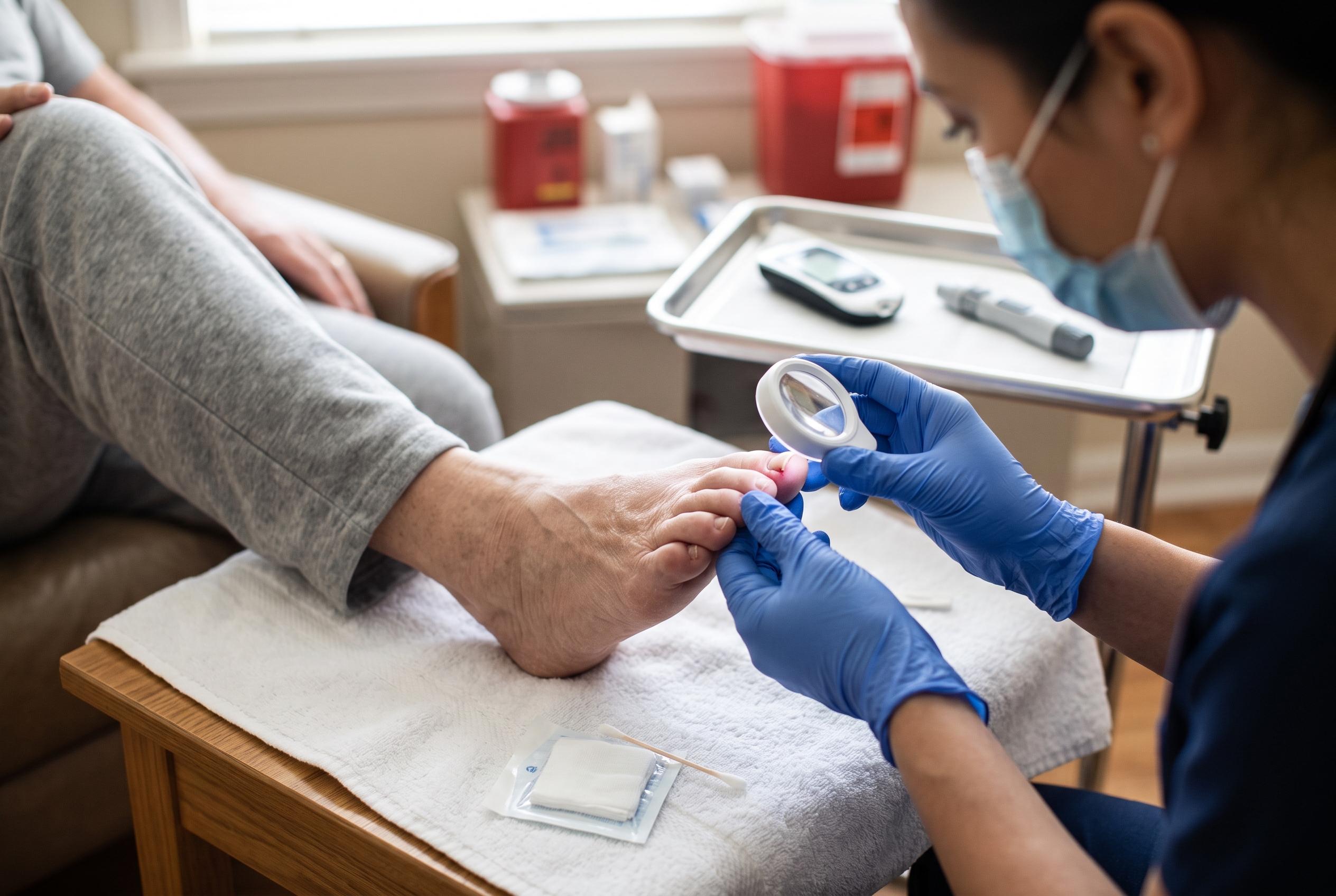

A seemingly minor ingrown toenail can escalate into a serious health risk for people with diabetes, highlighting the importance of vigilant foot care and blood sugar control to prevent potentially limb-threatening infections.
A nail growing into the skin may seem minor, but for people with diabetes it can be the start of a much more serious problem. A report from eToday, citing the orthopaedic team at On Hospital, said a middle-aged office worker who had dismissed an ingrown toenail as a routine nuisance later developed marked swelling, dark redness and escalating pain in the affected toe. Doctors found that the inflammation had spread deeper than a simple nail problem and warned that, without prompt treatment, the condition could have progressed to a diabetic foot complication and even amputation.
The case reflects a wider warning repeated by the US Centres for Disease Control and Prevention: diabetes can damage nerves and reduce sensation in the feet, making it harder to notice cuts, blisters or sores in time. The agency says poor circulation can also slow healing and raise the risk of infection, which is why regular foot checks are central to prevention. The National Institute of Diabetes and Digestive and Kidney Diseases makes a similar point, advising people with diabetes to inspect their feet every day and to look for early signs of injury before they become harder to treat.
According to Kim Yun-joon, the head of On Hospital’s joint centre, a toenail that only slightly digs into the skin can become an entry point for bacteria when diabetes, neuropathy or impaired circulation are present. The hospital said that what begins as a local irritation can develop into an ulcer or deeper infection if it is ignored. That risk is one reason diabetes-related foot disease is treated as a systemic issue rather than a cosmetic or minor nail complaint.
The practical advice from major health authorities is consistent. The CDC, Mayo Clinic and Healthline all recommend washing and drying the feet carefully each day, checking between the toes and around the nails for redness, swelling or broken skin, and wearing properly fitted shoes and socks. Toenails should be cut straight across rather than curved into the corners, because digging into the sides can encourage ingrown nails. People with diabetes are also advised not to walk barefoot, to avoid squeezing shoes and to seek professional help rather than trying to cut away thickened or distorted nails themselves.
Kim said the most important protection is good blood sugar control, because that helps reduce the nerve damage and poor circulation that make foot injuries more dangerous. The message from the hospital and from public health guidance is the same: pain is not a reliable warning sign for many people with diabetes, so daily visual checks matter more than waiting for discomfort. If a toenail changes colour, the skin becomes inflamed or any wound fails to heal, doctors say it should be examined quickly rather than left to worsen.
Disclaimer: This content is for informational purposes only and is not intended to be a substitute for professional medical judgment, advice, diagnosis, or treatment.



