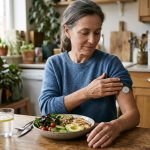

Researchers from Thymia and RMIT University have developed an AI system capable of detecting type 2 diabetes through brief voice recordings, potentially enabling quicker, less invasive screening methods.
An artificial intelligence system that listens to a short voice recording may be able to flag type 2 diabetes in seconds, according to research from Thymia and RMIT University in Melbourne. The work adds to growing evidence that speech can carry measurable markers of disease, and the researchers say the approach could one day support earlier screening for people who are less likely to attend routine checks.
The study, published in the IEEE Journal of Biomedical and Health Informatics, used spectro-temporal transformer embeddings, a type of machine-learning method that analyses patterns in the sound spectrum and timing of speech. In practical terms, the model was trained to look for subtle changes linked with diabetes, including hoarseness, vocal strain and signs of altered breathing control while talking. The researchers say such changes may reflect the impact of high blood sugar on the vagus nerve, as well as related conditions such as gastro-oesophageal reflux and reduced lung function.
To build the tool, the team used more than 63,000 voice samples from over 21,000 people in the UK and the United States, then tested it on 20-second recordings of people reading aloud. According to the results reported in the study and related coverage at the European Association for the Study of Diabetes meeting in Milan, the model identified people who said they had type 2 diabetes with higher risk scores in 80% of cases. In a separate analysis involving 801 people who had home blood tests within three months of speaking recordings, the rate was 75%.
The findings point to a potentially low-cost and non-invasive way to widen access to screening, particularly for people who do not regularly see a clinician. But the researchers also stress that the system is not a replacement for standard blood testing, which remains the basis for diagnosis. They said the next step is to test the model in clinical settings and across more diverse groups, after the study found weaker performance for Black participants, likely because of the smaller number of people from that group in the data set.
Disclaimer: This content is for informational purposes only and is not intended to be a substitute for professional medical judgment, advice, diagnosis, or treatment.