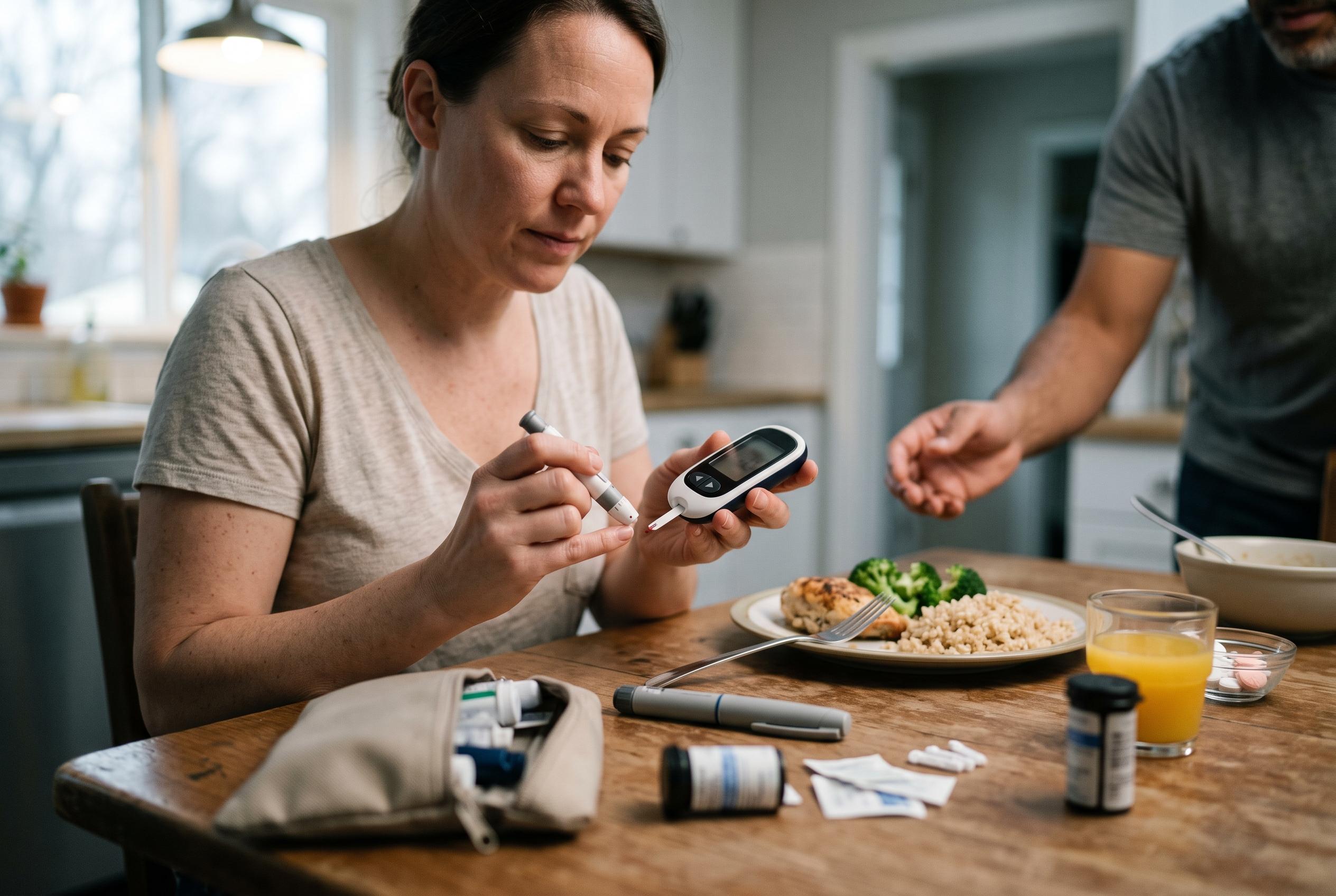

With rising risks associated with low and high blood sugar levels, medical specialists underscore the importance of precise management strategies, including the proven 15-15 rule, to prevent life-threatening episodes among diabetics.
Low blood sugar can become dangerous quickly for people with diabetes, and specialists say the key is not simply lowering glucose, but keeping it in a safe range. According to Delhi endocrinologist Ambrish Mithal, who chairs endocrinology and diabetes at Max Healthcare, both very high and very low blood sugar can pose serious risks, making day-to-day control as important as medication itself.
Hypoglycaemia, or low blood sugar, is generally identified when glucose falls to 70 mg/dL or below. Mayo Clinic says common triggers include taking too much insulin or diabetes medicine, going too long without eating, or exercising more intensely than usual. The warning signs can include shaking, sweating, anxiety, dizziness and confusion, and the condition can worsen if it is not treated promptly.
For that reason, doctors often recommend the “15-15 rule” when blood sugar drops. The CDC and Mayo Clinic say the first step is to take 15 grams of fast-acting carbohydrate, such as glucose tablets or a sugary drink, then wait 15 minutes and check blood sugar again. If the level is still below 70 mg/dL, the process should be repeated until readings recover. After that, a balanced snack or meal that includes protein and carbohydrates can help keep levels steadier, according to the CDC.
The practical advice also extends to exercise. If blood sugar is already low before a workout, a small snack such as fruit or a glass of milk may help prevent a further fall, while people using insulin should be careful about exercising immediately after eating. Health experts also stress that severe hypoglycaemia can become life-threatening, so persistent symptoms or recurrent episodes should be discussed with a clinician rather than managed alone.
The same balance applies in the other direction. Blood sugar can rise sharply if medication is missed, carbohydrate intake is excessive, stress is high or sleep is poor. When glucose reaches 250 mg/dL or more and symptoms such as extreme thirst, frequent urination, vomiting, breathing difficulty or marked weakness appear, the recommendation is to contact a doctor without delay. Long-term management, the sources say, depends on a disciplined routine that includes fibre-rich foods, adequate protein, stress control and consistent monitoring rather than medication alone.
Disclaimer: This content is for informational purposes only and is not intended to be a substitute for professional medical judgment, advice, diagnosis, or treatment.