

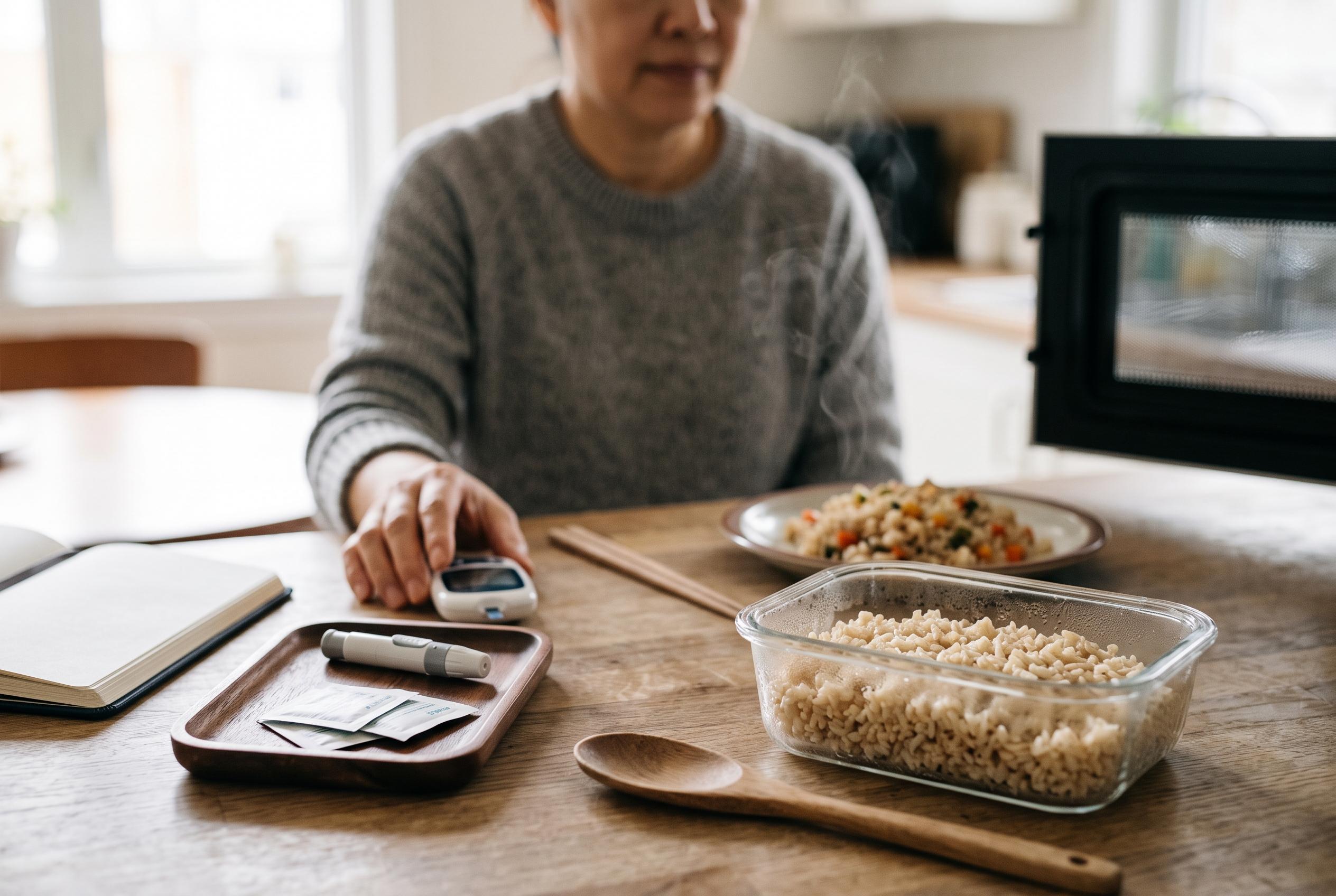

Research shows that cooling and reheating starchy foods like rice and pasta can increase resistant starch content, subtly affecting blood glucose responses. However, effects vary depending on food type, preparation, and individual health profiles, challenging the simplicity of using leftovers as a healthier option.
Cooling cooked rice, potatoes and pasta can change the way the body handles their starch, but the idea that last night’s leftovers become a near-free pass for blood sugar is too simplistic. IdeaFit explains that when starchy foods are cooked and then cooled, some of the starch molecules reorganise through a process called retrogradation, creating more resistant starch, a type that is digested less readily in the small intestine. That can modestly alter how quickly glucose enters the bloodstream, but the effect depends heavily on the food itself, how it was prepared and what happens afterwards in reheating.
The attraction of resistant starch is that it behaves differently from rapidly digestible starch and can reach the colon, where gut microbes ferment it. Healthline reported that a 2015 study found rice cooled for 24 hours and then reheated contained 2.5 times more resistant starch than freshly cooked rice. Yet both Healthline and IdeaFit stress the same basic point: even when cooling changes starch structure, the food does not suddenly become low in carbohydrate.
Research suggests the response also varies by food. According to the SPUD Project, which examined rice, potatoes and pasta, cooling generally increases resistant starch, but reheating can partly reverse that effect, especially in potatoes. The project found that storage time, cooking method and the balance of amylose and amylopectin, the two main starch components, all shape how much resistant starch is ultimately formed and how much of it survives reheating.
For people monitoring blood glucose, the clinical picture is more nuanced still. A study of 32 patients with type 1 diabetes, published in a medical journal and summarised on PubMed Central, found that rice cooled for 24 hours and reheated produced a smaller rise in post-meal blood glucose than freshly cooked rice, but it also led to more hypoglycaemic episodes. That means the same preparation trick that may soften a glucose spike for one person could create a different risk profile for another.
A separate randomised study of 32 adults with type 1 diabetes found that pasta cooled for 24 hours and reheated produced lower peak glucose and a faster return to baseline than freshly cooked pasta, while also increasing resistant starch content. Taken together, the evidence suggests that cooling and reheating can influence the glycaemic impact of some starches, but the effect is neither uniform nor dramatic enough to reclassify ordinary foods as low-carb substitutes. The more useful lesson is that digestion is shaped not just by ingredients, but by structure, preparation and storage.
Disclaimer: This content is for informational purposes only and is not intended to be a substitute for professional medical judgment, advice, diagnosis, or treatment.



