

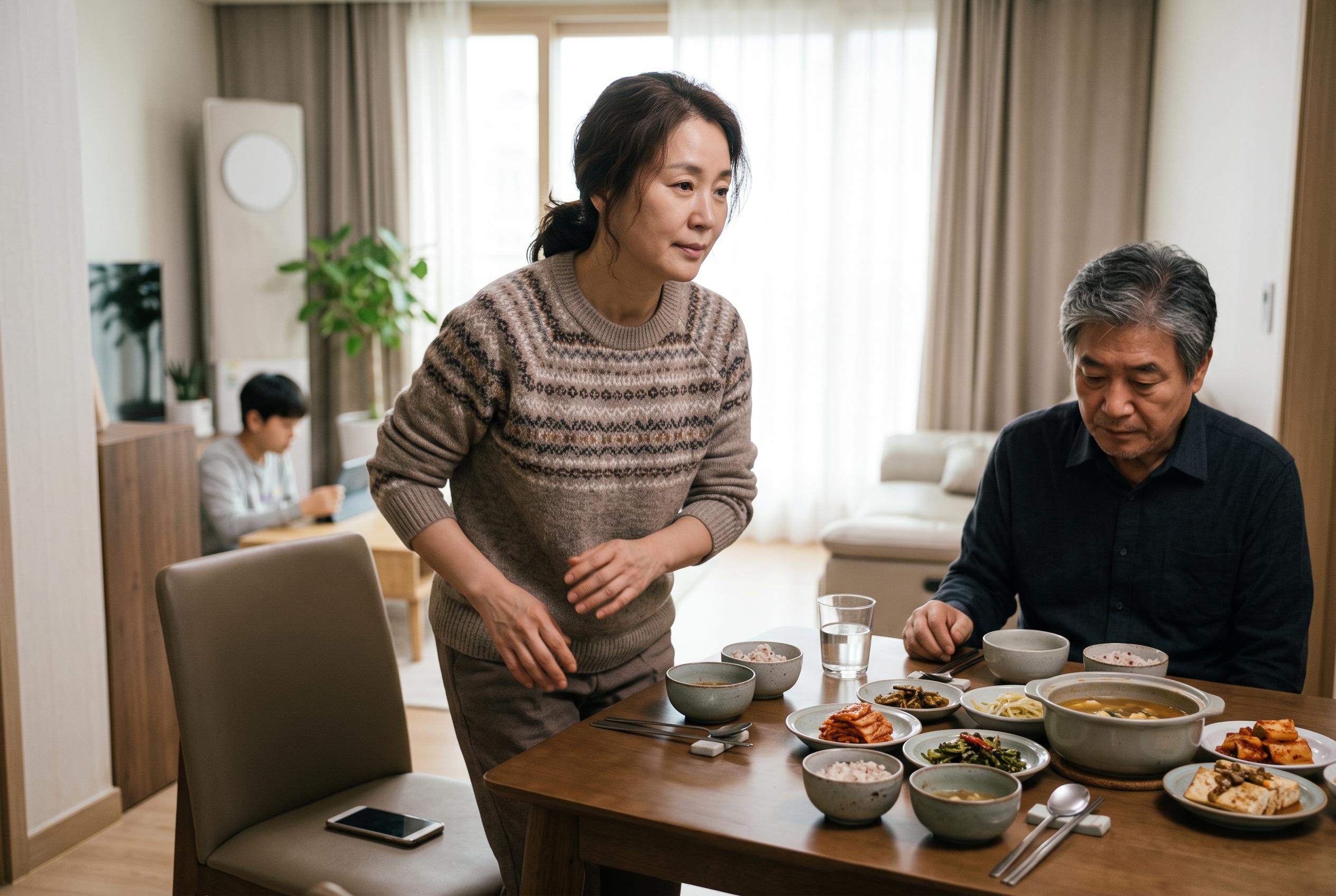

Health specialists advise holidaymakers to enjoy moderate meals, take light post-meal walks, and avoid prolonged smartphone use to prevent common festive health issues such as blood sugar swings and neck pain.
Over the Chuseok holiday, health specialists are advising people to keep meals modest, move gently after eating and avoid long periods bent over a smartphone, as festive food and extended screen time can both trigger familiar health complaints. According to the report from eToday, the main concerns are blood sugar swings after richer holiday meals and neck and shoulder pain linked to sustained device use.
Iseongyeol, a professor of endocrinology and metabolism at Kyung Hee University Hospital, said diabetes develops when the body does not produce enough insulin or cannot use it properly, leading to persistently high blood sugar. He urged people to keep to regular mealtimes during the holiday and to avoid loading up on rice, rice cakes and other carbohydrate-heavy foods in a single sitting. The same report said he recommended a balanced plate that includes lean meat, fish or tofu, alongside careful control of overall portion size.
For people who can safely do so, the advice is to take a short, easy walk after eating. Healthline and the Cleveland Clinic both say that even a brief post-meal walk can help prevent blood glucose from rising as sharply as it would if someone remained seated, and they note that a walk of around 10 to 30 minutes may be enough to make a difference. The Cleveland Clinic also says exercising soon after a meal can help muscles use glucose for fuel, which may improve insulin sensitivity over time. Iseongyeol similarly recommended about 10 minutes of light walking, depending on a person’s condition.
That advice comes with important limits. The professor said symptoms such as heavy thirst, frequent urination or repeated severe fatigue are reasons to seek blood sugar testing and medical review, while people who are being treated for diabetes should check for possible low blood sugar if they develop cold sweats, trembling or dizziness before deciding to exercise. The same report warned that slouching on a sofa or bed while looking at a phone can strain the neck and shoulders, and that keeping one posture for too long tends to worsen pain. Yumeongcheol, a rehabilitation medicine professor at Kyung Hee University Hospital, said it is best to change position about every 30 minutes and to move gently even if the pose feels comfortable.
Simple exercises can also help ease stiffness in the neck and shoulders, provided they are done only within a pain-free range. The hospital advised holding each movement for three to five seconds and repeating it about five times. These included a chin-tuck exercise, in which the head stays level while the chin is drawn straight back, and a scapular squeeze, in which the shoulder blades are gently pulled together without shrugging the shoulders or forcing the chest forward.
Disclaimer: This content is for informational purposes only and is not intended to be a substitute for professional medical judgment, advice, diagnosis, or treatment.



