

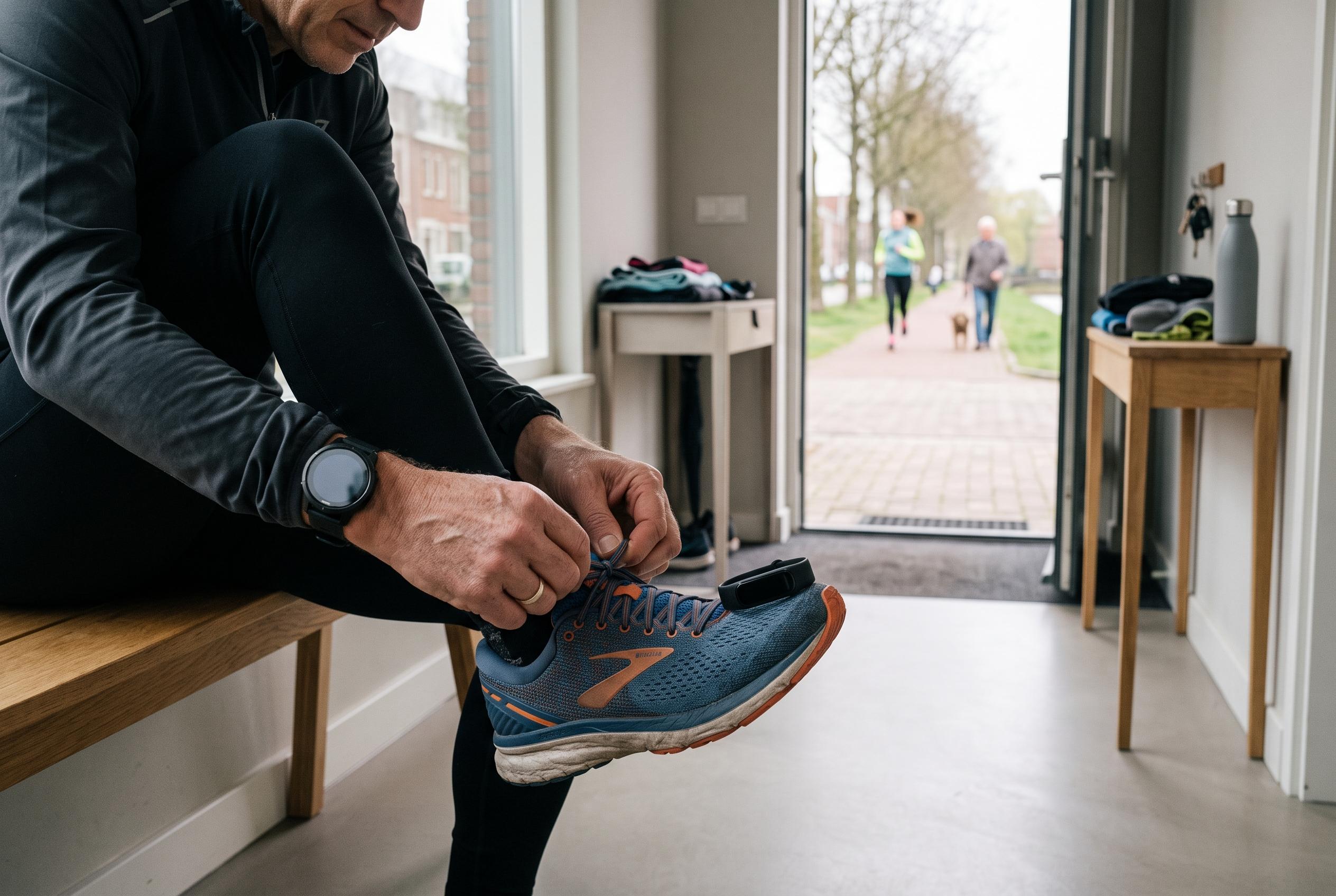

A large Dutch study reveals that staying active can significantly reduce the risk of developing type 2 diabetes, with the greatest benefits seen in adults under 63, highlighting the importance of exercise duration and timing across adulthood.
A large Dutch study suggests that keeping active may significantly lower the chances of developing type 2 diabetes, with the strongest benefit seen in adults under 63, according to research from Leiden University Medical Centre. The findings, based on UK Biobank data and due to be presented at the European Association for the Study of Diabetes meeting in Milan, add to growing evidence that movement matters across adulthood, even if the size of the benefit varies by age.
The researchers analysed 87,975 people who did not have diabetes at the start of the study. Each participant wore a wrist monitor for seven days, giving the team a device-based measure of moderate-to-vigorous physical activity – exercise that raises breathing and includes brisk walking, cycling and running. Over an average 7.7-year follow-up, 2,140 participants developed type 2 diabetes.
People in the more active group typically logged 409 minutes of moderate-to-vigorous activity a week, compared with 121 minutes among those who were less active. Among those younger than 63, lower activity was linked to more than double the relative risk of diabetes compared with higher activity. In the older group, the association was still substantial, with lower activity tied to a 65% higher relative risk. The research also found that doing more activity between 1 p.m. and midnight was linked to a slightly lower risk than being mainly active earlier in the day, especially among younger adults.
That timing signal fits with other UK Biobank research. A separate study published in Diabetes Care reported that moderate-to-vigorous activity in the morning and afternoon was associated with a lower risk of type 2 diabetes, suggesting that when people move may matter as well as how much they move. Another UK Biobank analysis found that higher levels of moderate-to-vigorous activity were linked with reduced diabetes risk even among people with a genetic predisposition to the condition.
Still, the new research does not support changing exercise advice on the basis of the clock. The investigators said the data were not strong enough to recommend different workout times for different groups. Their broader message was simpler: adults should be encouraged to be as physically active as they reasonably can. That caution is important because the study was observational, meaning it can show associations but cannot prove exercise alone caused the lower risk. The activity monitor was also worn for only one week, and the UK Biobank cohort is healthier and less diverse than the wider population, which may limit how far the findings can be generalised.
Disclaimer: This content is for informational purposes only and is not intended to be a substitute for professional medical judgment, advice, diagnosis, or treatment.



